
Why People With Dementia Stop Changing Their Clothes and What Caregivers Can Do

A person living with dementia may wear the same shirt, sweater, or pair of pants day after day. They may insist the clothing is clean when it is visibly stained. They may sleep in it, refuse to remove it, or become angry when a caregiver suggests changing. For families, this can be confusing and frustrating. […]
When a Person With Dementia Says, “I Want to Go Home,” Even Though They Are Home

When a person living with dementia says, “I want to go home,” the words can hit a caregiver harder than expected. They may be sitting in the same house where they have lived for decades. Their favorite chair is nearby. Family photographs hang on the wall. Everything appears familiar. Yet they insist: “This is not […]
Why Someone With Dementia Keeps Asking the Same Question and How to Respond

When someone living with dementia asks the same question over and over, it can test even the most patient caregiver. “What time are we leaving?” “Where is my purse?” “When is my daughter coming?” You answer. A minute later, they ask again. Then again. It may feel as though they are ignoring you, challenging you, […]
End-of-Life Decisions: Understanding Hospice and Palliative Care for Dementia

End-of-Life Decisions: Understanding Hospice and Palliative Care for Dementia Are you wondering how to best support your loved one with dementia as their journey progresses, especially when comfort and dignity become the most important focus? It’s a question many of us face, and it’s okay to feel uncertain. As dementia advances, we often find ourselves […]
Unlocking Memories: The Power of Reminiscence Therapy and Memory Boxes
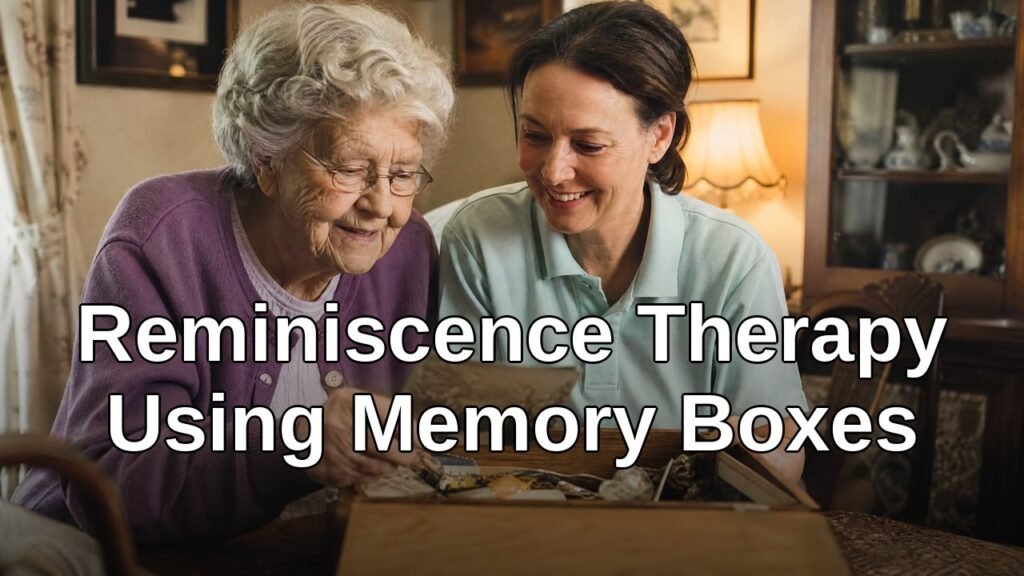
Unlocking Memories: The Power of Reminiscence Therapy and Memory Boxes Do you ever worry about losing the vibrant stories and cherished moments that define a loved one living with dementia? We understand that watching memories fade can feel heartbreaking. Yet, there are beautiful, effective ways to connect with those precious pasts, bringing comfort and a […]
Music Therapy for Dementia: Crafting the Perfect Playlist for Connection and Calm

Music Therapy for Dementia: Crafting the Perfect Playlist for Connection and Calm Does your loved one sometimes seem distant, or struggle with expressing themselves? We understand that feeling of wanting to connect, to bring a moment of peace or joy, especially when words become difficult. We’ve all seen how a familiar song can light up […]
Understanding Ambiguous Loss and Grief in Dementia Care

Understanding Ambiguous Loss and Grief in Dementia Care Do you ever feel a profound sense of loss, even though your loved one with dementia is still physically here? This feeling, often confusing and isolating, is a common experience for many caregivers. It’s a unique kind of sorrow, one that doesn’t fit neatly into traditional definitions […]
Dealing with Caregiver Guilt: A Compassionate Guide for Dementia Care Partners
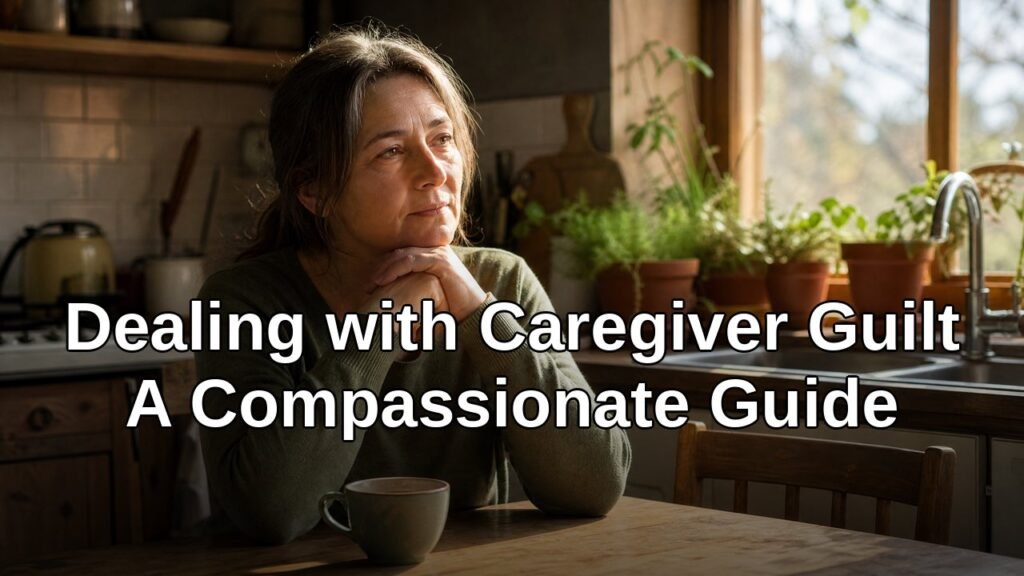
Dealing with Caregiver Guilt: A Compassionate Guide for Dementia Care Partners “Am I doing enough? Should I have been more patient? Why do I feel resentful?” If these questions echo in your mind, you are not alone. Caregiver guilt is a heavy, silent companion for many of us supporting people living with dementia. It can […]
Hallucinations and Delusions in Dementia: How to Respond With Calm

Learn how to calmly respond to hallucinations and delusions in dementia with practical tips for safety and comfort.
Is Aphasia the Beginning of Dementia? What Speech Changes Can Mean

Is aphasia the start of dementia? Learn what language changes mean, when to get help, and how families can respond.