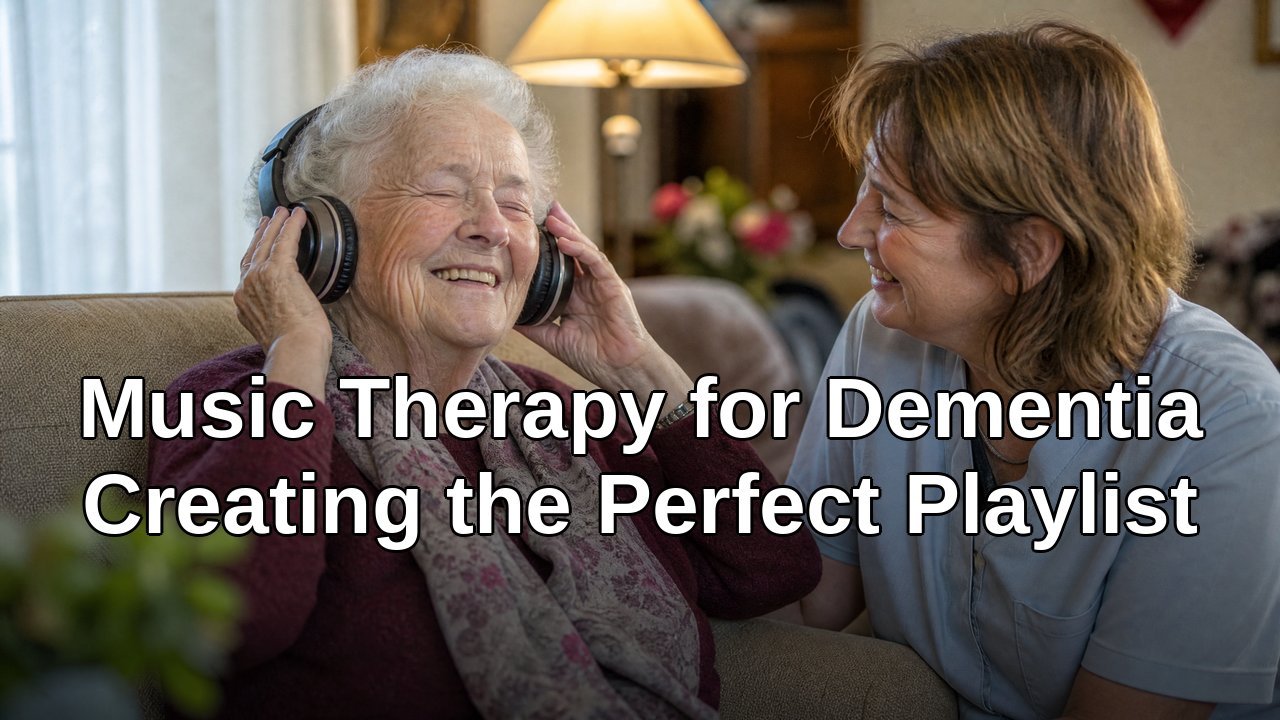
Music Therapy for Dementia: Crafting the Perfect Playlist for Connection and Calm
Does your loved one sometimes seem distant, or struggle with expressing themselves? We understand that feeling of wanting to connect, to bring a moment of peace or joy, especially when words become difficult. We’ve all seen how a familiar song can light up a room, or bring a smile to someone’s face. For people living with dementia, music holds a profound power, offering a unique pathway to memory, emotion, and connection.
Why Music Resonates So Deeply
Music isn’t just background noise; it’s a fundamental part of our human experience. It taps into areas of the brain often untouched by dementia, allowing for moments of clarity and engagement. We’ve observed how melodies can bypass cognitive impairments, unlocking memories and emotions that seemed lost. This isn’t magic; it’s the science of how our brains process sound and rhythm.
The Science Behind the Harmony
When we listen to music, multiple brain regions activate simultaneously. These include areas associated with emotion, memory, motor control, and language. For individuals with dementia, while some parts of the brain may be affected, the areas responsible for musical memory often remain relatively intact. This means that even when other forms of communication are challenging, music can still evoke responses.
We see how a favorite tune can reduce agitation, improve mood, and even stimulate conversation. It offers a sense of familiarity and comfort, grounding people in the present moment while connecting them to their past. It’s a powerful tool in our caregiving toolkit.
Benefits of Music Therapy for People with Dementia
We’ve witnessed firsthand the transformative effects of music therapy. It’s more than just entertainment; it’s a therapeutic intervention that can significantly enhance the quality of life for people living with dementia and their caregivers. Here are some key benefits we’ve observed:
Emotional Well-being and Mood Regulation
Music has an incredible ability to influence our emotions. For people with dementia, who may experience increased anxiety, depression, or agitation, music can be a source of calm and joy. We often find that listening to preferred music can reduce stress, alleviate sadness, and promote a sense of peace. It can shift a difficult moment into one of comfort and contentment.
Cognitive Stimulation and Memory Recall
While music doesn’t cure dementia, it can stimulate cognitive function. Familiar songs can trigger autobiographical memories, bringing back vivid recollections of past events, people, and places. We’ve seen individuals who struggle with recent memory recall details from decades ago when a particular song plays. This connection to their past can be incredibly validating and comforting.
Enhanced Communication and Social Interaction
Music provides a non-verbal means of communication. When verbal expression is limited, singing along, tapping a foot, or even just making eye contact during a song can be a powerful form of interaction. We encourage group music sessions, as they can foster a sense of community and reduce feelings of isolation. It creates shared moments of joy and connection.
Physical Engagement and Motor Skills
Rhythmic music can encourage movement, from gentle swaying to tapping hands or feet. This physical engagement can improve coordination, balance, and overall physical well-being. We often incorporate music into gentle exercise routines, making movement more enjoyable and accessible for people with dementia.
Crafting the Perfect Playlist: Our Step-by-Step Guide
Creating a personalized playlist is an act of love and a powerful way to engage your loved one. It’s about understanding their unique history and preferences. We’ve found that a thoughtful approach yields the best results. Here’s how we recommend you create a playlist that truly resonates:
Step 1: Gather Musical History
This is where we become musical detectives. Think about your loved one’s life story. What music did they listen to during their formative years (ages 10-30)? What were their favorite genres, artists, or specific songs? Did they have a favorite band, a song from their wedding, or a tune they always sang around the house? Talk to family members, friends, and look through old photos or journals for clues. We want to capture the soundtrack of their life.
Step 2: Consider Their Current Preferences and Mood
While historical favorites are crucial, also observe what they respond to now. Do they seem to prefer upbeat or calming music? Are there certain sounds or instruments they enjoy? The goal is to match the music to their current mood and needs. We often create different playlists for different times of the day or different activities.
Step 3: Curate and Organize Your Selections
Start building your playlist. We suggest using streaming services like Spotify, Apple Music, or YouTube, which allow for easy playlist creation. If internet access is an issue, consider CDs or a digital music player. Aim for a variety of songs, but keep the overall mood consistent within each playlist. For example, a “calm and soothing” playlist for evenings and an “upbeat and engaging” playlist for daytime activities. We also recommend creating shorter playlists (around 30-60 minutes) to avoid overstimulation.
Step 4: Test and Refine
Play the music and observe your loved one’s reactions. Do they seem engaged, calm, or agitated? Adjust the playlist based on their responses. What works one day might not work the next, and that’s perfectly normal. We learn and adapt as we go, always prioritizing their comfort and well-being.
Comparing Music Delivery Methods
Choosing the right way to deliver music can make a big difference. We’ve explored various options, each with its own advantages and considerations.
| Method | Pros | Cons |
|---|---|---|
| Streaming Services | Vast selection, easy playlist creation, accessible on many devices | Requires internet, potential for ads (free versions), can be complex |
| CDs/MP3 Players | No internet needed, familiar for some, simple interface | Limited selection, can be lost/damaged, requires physical storage |
| Smart Speakers | Voice-activated, hands-free, good sound quality | Requires internet, privacy concerns, can be confusing to operate |
| Live Music | Interactive, personal connection, immediate feedback | Requires musician, can be costly, scheduling challenges |
We often find a combination of methods works best, adapting to the individual’s comfort level and the caregiver’s resources.
Important Considerations for Music Therapy
While music therapy is incredibly beneficial, we also need to approach it thoughtfully. Here are a few things we always keep in mind:
- Volume Control: Keep the volume at a comfortable level. Too loud can be startling or overwhelming.
- Avoid Overstimulation: Sometimes, less is more. Short, focused music sessions are often more effective than continuous background music.
- Observe Reactions: Pay close attention to your loved one’s body language and facial expressions. If they seem distressed, change the music or take a break.
- Respect Preferences: Their musical taste is paramount. Even if you don’t personally enjoy a genre, if it brings them joy, that’s what matters.
- Professional Guidance: For more structured interventions, consider consulting a certified music therapist. They can offer personalized strategies and support.
Beyond the Playlist: Integrating Music into Daily Life
Music doesn’t have to be a formal “session.” We can weave it into the fabric of daily life. Consider playing calming music during meal preparation or bath time. Upbeat tunes can accompany light exercises or household chores. Even singing together can be a wonderful way to connect and share a moment. These small integrations can make a big difference in their day.
Resources and Further Support
We understand that caring for someone with dementia can be challenging, and finding effective ways to connect is vital. Music therapy offers a beautiful avenue for this connection. For more insights into creating a supportive environment, you might find our article on Dementia-Friendly Home Design: A Comprehensive Checklist helpful. If you’re looking for ways to engage your loved one with activities, explore Meaningful Activities for People with Dementia: Life Beyond the TV. And for those moments when communication is difficult, our guide on Effective Communication: The Validation Method for Dementia Care offers valuable strategies.
For additional information and support on music therapy and dementia, we recommend visiting the Alzheimer’s Association. Their resources provide further guidance and research on the benefits of music for people living with dementia.
Moving Forward
Music is a universal language, and its ability to touch the soul remains, even when other connections fade. By thoughtfully creating and using personalized playlists, we can offer moments of joy, comfort, and connection to people living with dementia. It’s a testament to the enduring power of human spirit and the melodies that bind us. We hope this guide empowers you to bring more harmony into your loved one’s life.