Finding Calm and Connection: The Comforting World of Dementia Fidget Blankets
Living with dementia often brings changes that can be challenging for both the person experiencing them and their loved ones. Restlessness, anxiety, and a need for meaningful engagement are common experiences. In this landscape, simple yet profound tools can make a significant difference.
One such tool gaining recognition is the dementia fidget blanket. These specially designed blankets offer a source of comfort, sensory stimulation, and a gentle way to keep hands busy. They provide a sense of purpose and can help redirect agitated behaviors.
What Exactly is a Dementia Fidget Blanket?
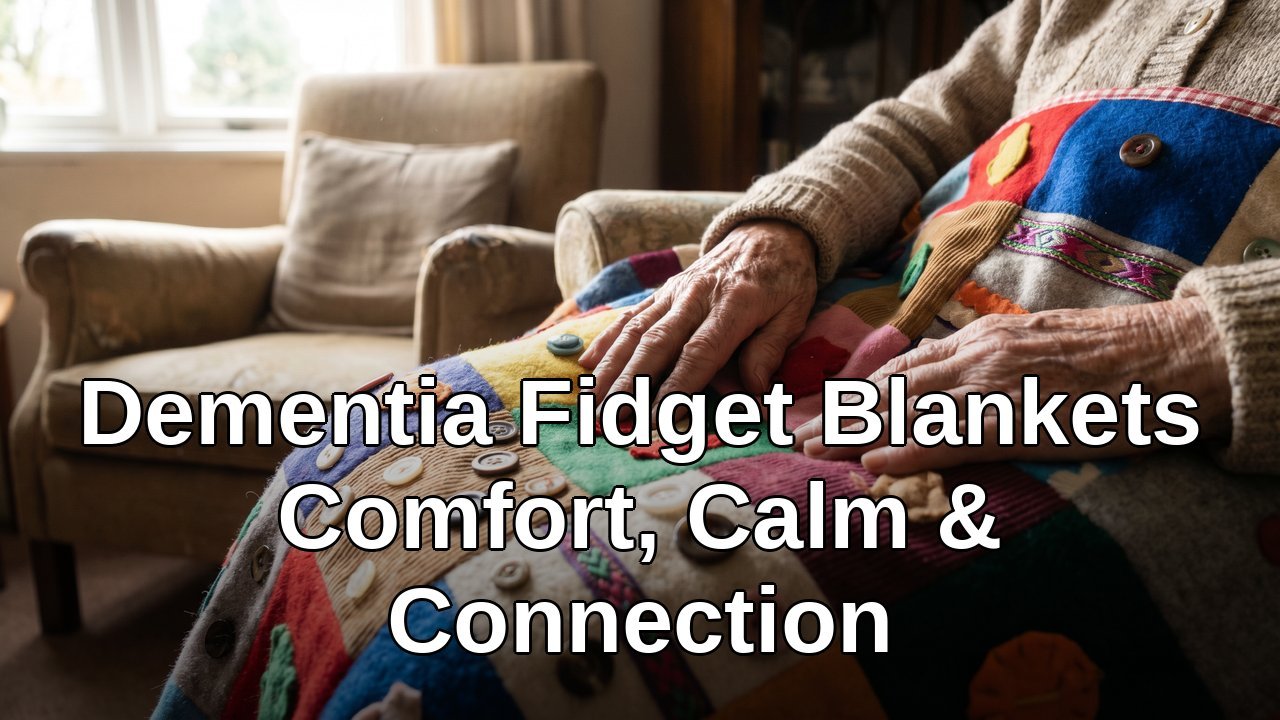
A dementia fidget blanket, sometimes called a fidget quilt or sensory blanket, is a small, lap-sized blanket. It features various textures, attachments, and activities sewn onto its surface. These elements are chosen to engage the senses and provide tactile stimulation.
The items might include zippers, buttons, laces, pockets, ribbons, beads, or different fabric types. Each component offers a unique sensation or small task. This encourages interaction and provides a focal point for restless hands. The design often incorporates familiar objects, which can spark memories and provide a sense of familiarity.
The Heartfelt Benefits: More Than Just a Blanket
Fidget blankets offer a range of benefits that can improve the quality of life for people living with dementia. They address common challenges with a gentle, non-pharmacological approach. Understanding these benefits helps caregivers appreciate their value.
Reducing Anxiety and Agitation
Many people living with dementia experience anxiety and agitation. Fidget blankets provide a calming outlet for this restless energy. The repetitive actions of manipulating textures or fasteners can be incredibly soothing.
This redirection helps to ease feelings of unease. It offers a constructive way to channel nervous energy. The blanket becomes a safe, personal space for quiet engagement. This can be especially helpful during moments of sundowning or when the environment feels overwhelming.
Providing Sensory Stimulation
Sensory input is vital for brain health and engagement. Fidget blankets are rich in diverse textures and visual elements. They stimulate touch, sight, and sometimes even sound.
This stimulation can help awaken dormant senses. It encourages exploration and interaction with the environment. It also helps maintain cognitive function through active engagement. The variety of sensations can also help ground individuals, bringing them into the present moment.
Encouraging Meaningful Engagement
Finding activities that resonate with people living with dementia can be difficult. Fidget blankets offer simple, accessible tasks that provide a sense of accomplishment. They can help rekindle a sense of purpose.
Manipulating buttons or zippers can evoke memories of past activities. This fosters a connection to familiar routines. It provides a gentle form of cognitive exercise. The act of engaging with the blanket can also reduce repetitive behaviors that might otherwise be less constructive.
Enhancing Focus and Attention
For individuals whose attention may wander, a fidget blanket can be a powerful tool. The engaging elements draw focus and encourage sustained interaction. This can lead to longer periods of calm.
By concentrating on the blanket’s features, people can maintain attention. This helps reduce boredom and disengagement. It offers a pleasant distraction from internal or external stressors. This focused attention can also improve mood and reduce feelings of isolation.
Fostering Communication and Connection
Beyond individual engagement, fidget blankets can also serve as a bridge for communication. Caregivers can use the blanket’s features as conversation starters. Discussing the textures, colors, or objects can open avenues for interaction.
This shared activity can strengthen the bond between the person living with dementia and their caregiver. It creates moments of shared focus and gentle interaction. These small connections are invaluable in maintaining dignity and well-being.
Types of Fidget Blankets: A World of Textures and Tasks
Fidget blankets come in many forms, each designed to cater to different preferences and stages of dementia. The best blanket is one that truly connects with the individual.
| Type of Fidget Blanket | Key Features | Best For | Considerations |
|---|---|---|---|
| Traditional Fidget Quilt | Small, lap-sized quilt with various sewn-on items like zippers, buttons, ribbons, pockets. | Individuals who enjoy tactile exploration and fine motor activities. | Ensure all items are securely attached and safe for use. Regularly inspect for wear and tear. |
| Sensory Lap Pad | Often weighted, with different fabric textures and simple attachments. Provides deep pressure. | People who benefit from deep pressure stimulation and gentle sensory input, often those with higher anxiety. | Check weight suitability for the individual’s comfort and safety. Consult with a healthcare professional if unsure. |
| Activity Mat | Larger, with more complex activities like sorting shapes, lacing, or interlocking pieces. | Those in earlier stages of dementia who can handle more intricate tasks and problem-solving. | May require more supervision to ensure proper use and prevent frustration. |
| Themed Fidget Blanket | Designed around a specific interest, such as gardening, tools, or pets, with related items. | Individuals with strong past hobbies or interests, which can evoke positive memories. | Personalization can greatly enhance engagement and provide a sense of familiarity. |
| Wearable Fidget Sleeves/Muffs | Smaller, portable items that can be worn on the arm or held. | People who prefer a more discreet fidgeting option or have limited mobility. | Ensure they are comfortable and do not restrict movement or circulation. |
Choosing the Right Fidget Blanket: A Personal Journey
Selecting a fidget blanket is a personal process. Consider the individual’s past hobbies, preferences, and current abilities. What textures do they enjoy? What activities did they once find fulfilling? Does a particular color or theme resonate with them?
Look for blankets with a variety of safe, securely attached items. Ensure there are no small parts that could be a choking hazard. The blanket should be durable and easy to clean, as hygiene is important. Machine washable options are often preferred by caregivers.
Consider the weight and size. A lap-sized blanket is generally ideal for easy handling and portability. The overall design should be inviting and not overwhelming, with a balance of stimulating and calming elements. Involve the person living with dementia in the selection process if possible, to ensure their preferences are considered.
Integrating Fidget Blankets into Daily Life
Introducing a fidget blanket should be a gentle, positive experience. Present it as a gift or a new interesting item, rather than a therapeutic tool. Avoid forcing interaction if the person is not receptive at first; sometimes, simply leaving it nearby allows for natural discovery.
Place the blanket within easy reach, perhaps on their lap while sitting, or draped over a chair. Observe how they interact with it. You might point out different features to encourage exploration, such as, “Look at this soft fabric,” or “Can you open this zipper?”
Fidget blankets can be particularly useful during times of transition, waiting, or when agitation tends to increase. They offer a quiet activity during doctor’s appointments, car rides, or while waiting for meals. They can also be a comforting presence during quiet moments at home, providing a sense of security and engagement.
Making Your Own Fidget Blanket: A Labor of Love
For those who enjoy crafting, creating a personalized fidget blanket can be a deeply rewarding experience. This allows for complete customization, incorporating specific textures, colors, and objects that hold special meaning for the person living with dementia. It’s a wonderful way to infuse love and personal history into a therapeutic tool.
Start with a sturdy fabric base, such as flannel or cotton. Gather a variety of safe, interesting items: large buttons, zippers, soft ribbons, textured fabrics, small pockets, or even a small, unbreakable mirror. Ensure all items are firmly sewn or attached to prevent detachment and potential choking hazards. Consider adding a weighted element, like a small bag of rice or beans sewn into a pocket, for added sensory input.
Beyond the Blanket: Other Sensory Tools
While fidget blankets are wonderful, they are part of a broader spectrum of sensory tools. Other options include soft toys, textured balls, or even simple household items that can be safely manipulated. The goal is always to provide comfort and engagement.
For example, Meaningful Activities for People with Dementia: Life Beyond the TV offers more ideas for engaging activities. If restlessness is a primary concern, Pacing and Fidgeting in Dementia: Understanding and Redirecting Restless Energy provides further insights. Additionally, creating a Dementia-Friendly Home Design: A Comprehensive Checklist can enhance overall comfort and safety.
Final Thoughts: Embracing Comfort and Connection
Dementia fidget blankets are more than just fabric and fasteners. They are tools of compassion, designed to bring peace and purpose to people living with dementia. They offer a tangible way to reduce anxiety, stimulate the senses, and foster meaningful engagement.
By thoughtfully choosing and introducing these blankets, caregivers can provide a source of comfort and connection. This helps create a more serene and engaging environment. It is a small step that can lead to significant improvements in daily well-being. Remember, every person living with dementia is unique, and what works for one may not work for another. Patience, observation, and a willingness to adapt are key.
For more information on supporting people living with dementia, consider resources like the Alzheimer’s Association. They offer valuable guidance and support for families and caregivers.