End-of-Life Decisions: Understanding Hospice and Palliative Care for Dementia
Are you wondering how to best support your loved one with dementia as their journey progresses, especially when comfort and dignity become the most important focus? It’s a question many of us face, and it’s okay to feel uncertain.
As dementia advances, we often find ourselves considering different types of care that prioritize comfort and quality of life. Two terms that frequently come up are hospice and palliative care. While they both aim to provide comfort, they are distinct approaches. Understanding these differences can help us make choices that truly honor our loved one’s wishes and provide peace for everyone involved.
What is Palliative Care?
Palliative care is about providing relief from the symptoms and stress of a serious illness. It focuses on improving quality of life for both the person living with dementia and their family. This type of care is appropriate at any stage of a serious illness, not just at the very end of life.
We can receive palliative care alongside curative treatments. For example, if a person with dementia is also managing heart disease, palliative care can help manage pain, nausea, or fatigue related to either condition, while they continue to receive treatments for their heart. The goal is to provide an extra layer of support.
The Focus of Palliative Care
Palliative care teams work to address physical symptoms like pain, shortness of breath, or digestive issues. They also offer support for emotional, social, and spiritual needs. This holistic approach recognizes that illness impacts every part of a person’s life, and their family’s.
This care can be provided in various settings, including hospitals, nursing homes, or at home. It’s about meeting needs wherever the person is. We often see palliative care as a bridge, offering comfort and support as the illness progresses, regardless of prognosis.
What is Hospice Care?
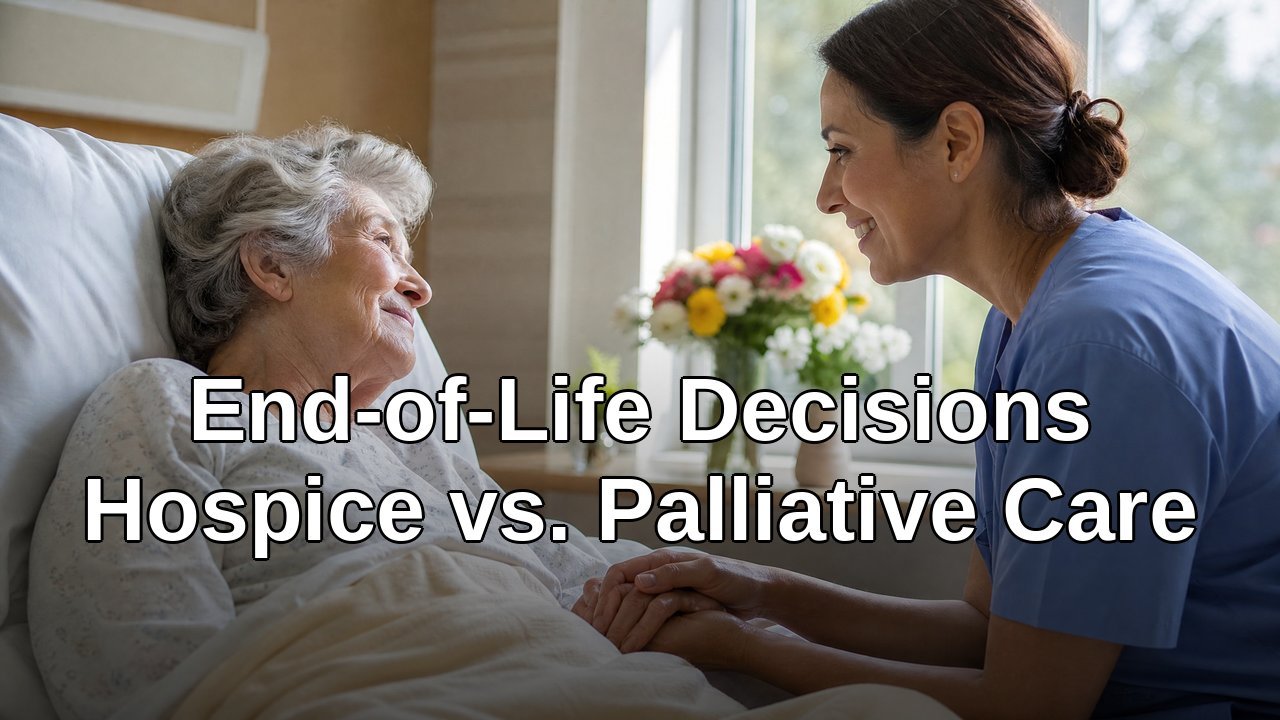
Hospice care is a specific type of palliative care provided when a person is nearing the end of their life. It focuses entirely on comfort and quality of life, rather than on curing the illness. Typically, a person qualifies for hospice when a doctor believes they have six months or less to live if the illness runs its natural course.
When we choose hospice, we are making a decision to shift the focus from aggressive treatments to maximizing comfort and dignity. This doesn’t mean giving up hope; it means redefining what hope looks like. It becomes hope for peace, comfort, and meaningful time with loved ones.
The Hospice Team and Setting
Hospice care involves a team of professionals, including doctors, nurses, social workers, spiritual counselors, and trained volunteers. They work together to provide comprehensive support. This team helps manage symptoms, offers emotional support, and assists with practical needs.
Hospice care is most often provided at home, allowing people to remain in familiar surroundings. It can also be offered in dedicated hospice facilities, hospitals, or nursing homes. The aim is to ensure comfort and support are available 24/7.
Key Differences: Hospice vs. Palliative Care
While both hospice and palliative care share the goal of providing comfort and improving quality of life, their timing and focus differ significantly. Understanding these distinctions is crucial for making informed decisions.
| Feature | Palliative Care | Hospice Care |
|---|---|---|
| Timing | Can begin at any stage of a serious illness. | Begins when a person is expected to live six months or less. |
| Curative Treatment | Can be received alongside curative treatments. | Focuses on comfort; curative treatments are generally stopped. |
| Prognosis | No specific life expectancy requirement. | Requires a doctor’s certification of a limited life expectancy. |
| Goal | Improve quality of life and manage symptoms. | Provide comfort and support at the end of life. |
| Location | Hospital, home, nursing home, outpatient clinics. | Primarily at home, also hospice facilities, hospitals, nursing homes. |
We can see that palliative care offers a broader scope of support earlier in the illness, while hospice care is specifically tailored for the final months of life. It’s important to remember that palliative care can transition into hospice care as a person’s condition changes.
Making End-of-Life Decisions for People Living with Dementia
Deciding on the right care path for a loved one with dementia can be one of the most challenging decisions we ever make. It involves careful consideration of their wishes, values, and current condition. This is where advance directives become incredibly important. Having conversations early about what your loved one would want can guide these choices. You can learn more about legal preparations in our article on Durable Power of Attorney vs. Guardianship.
As dementia progresses through its 7 stages, the needs of the person living with dementia will change. What might have been appropriate in earlier stages may no longer be suitable. Our focus shifts from managing cognitive decline to ensuring comfort, managing behaviors, and preserving dignity. We also have resources on Coping with Dementia Behaviors that might be helpful.
The Role of Communication
Open and honest communication with family members, doctors, and the care team is vital. Discussing fears, hopes, and preferences helps everyone feel more prepared and supported. It’s about creating a shared understanding of the situation and working together to provide the best possible care.
Sometimes, the decision to transition to hospice care can feel like a heavy burden. We might worry it means giving up. However, for many, it brings a profound sense of relief, knowing that their loved one will receive specialized comfort care and that the family will also be supported during this tender time. When considering facility options, our guide on Choosing a Facility might offer additional insights.
Finding Support and Resources
Navigating end-of-life decisions for a loved one with dementia is a journey no one should walk alone. There are many resources available to provide guidance and support. Organizations like the Alzheimer’s Association offer valuable information, support groups, and helplines to assist families. Their website, alz.org, is an excellent starting point for further research and support.
Connecting with other caregivers who have walked a similar path can also provide immense comfort and practical advice. Remember, seeking help is a sign of strength, not weakness. We are all in this together, learning and growing as we support our loved ones.
Moving Forward
Understanding the distinctions between hospice and palliative care empowers us to make thoughtful decisions for our loved ones living with dementia. It’s about ensuring their comfort, dignity, and quality of life remain at the forefront, even as their journey nears its end. These conversations are never easy, but they are an act of profound love and care.
We hope this guide provides clarity and comfort as you consider these important choices. Remember to lean on your support network, communicate openly, and trust your instincts. You are doing an incredible job, and your loved one is fortunate to have you by their side.