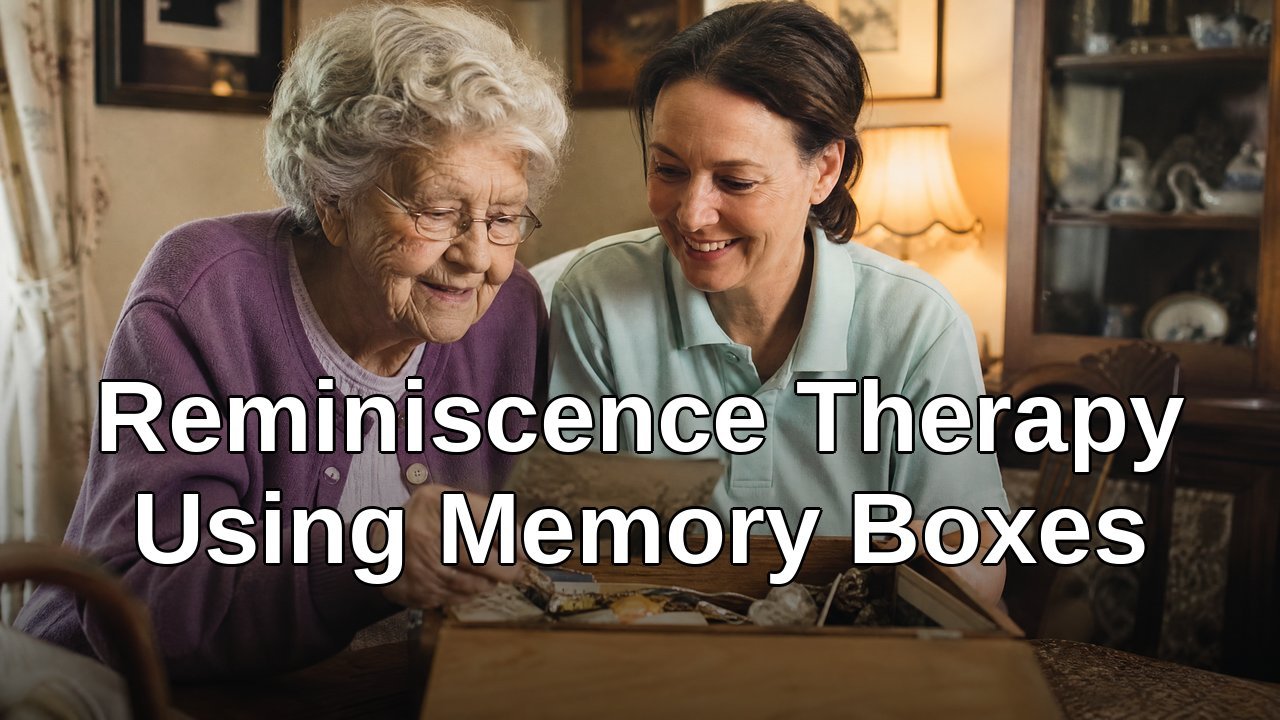
Unlocking Memories: The Power of Reminiscence Therapy and Memory Boxes
Do you ever worry about losing the vibrant stories and cherished moments that define a loved one living with dementia? We understand that watching memories fade can feel heartbreaking. Yet, there are beautiful, effective ways to connect with those precious pasts, bringing comfort and a sense of self back into their present. One such method, gaining recognition for its profound impact, is reminiscence therapy, particularly when paired with the tangible magic of memory boxes. For caregivers, understanding how to foster these connections is key, and resources like our guide on Meaningful Activities for People with Dementia: Life Beyond the TV can provide further inspiration.
What is Reminiscence Therapy?
Reminiscence therapy is a person-centered approach that uses life experiences and past events to stimulate memory, encourage communication, and improve emotional well-being for people living with dementia. It is not about testing memory or correcting inaccuracies. Instead, it is about engaging with the individual’s personal history in a supportive and validating way. We create an environment where past joys, achievements, and familiar routines can be revisited, fostering a sense of identity and belonging.
This therapy acknowledges that even when recent memories are challenging to recall, long-term memories often remain accessible. By tapping into these preserved memories, we can spark conversations, evoke emotions, and provide a sense of continuity for the individual. It is a gentle invitation to journey back through their life story, celebrating who they are and who they have been.
The Heart of a Memory Box
A memory box is a personalized collection of meaningful objects that represent significant periods, people, or events in a person’s life. Think of it as a treasure chest of their personal history, designed to be explored and shared. These boxes are powerful tools within reminiscence therapy, offering tactile and visual cues that can unlock a flood of memories and emotions.
Each item in a memory box serves as a conversation starter, a tangible link to the past. It could be anything from old photographs and letters to favorite perfumes, tools, pieces of fabric, or even a specific type of candy. The key is that each item holds personal significance for the individual, acting as a key to their unique story.
Why Memory Boxes Work
Memory boxes are effective because they engage multiple senses and cater to the strengths of people living with dementia. Visual cues from photographs, the feel of a familiar object, the scent of a particular perfume – these sensory inputs can bypass damaged areas of the brain and access deeper, more ingrained memories. We find that these sensory experiences can often evoke stronger and more vivid recollections than verbal prompts alone.
Furthermore, memory boxes provide a sense of control and purpose. The individual can choose which items to explore, hold them, and share their stories at their own pace. This autonomy is incredibly valuable, especially for those who may feel a loss of control in other areas of their lives. It transforms passive recollection into an active, engaging experience. This sense of control can also extend to other aspects of daily life, as discussed in our article on The Power of Routine: How Structure Reduces Anxiety in Dementia.
Creating a Meaningful Memory Box: A Step-by-Step Guide
Building a memory box is a loving act of connection. It is a journey we embark on with intention, gathering pieces of a life lived fully. Here is how we can create a truly impactful memory box:
1. Choose the Right Container
Start with a sturdy, easily accessible box. It could be a wooden chest, a decorative hat box, or even a clear plastic container. The size should be manageable, allowing the individual to easily reach and handle the contents. We want it to be inviting, not overwhelming.
2. Gather Personal Treasures
This is where the magic happens. We encourage involving the person living with dementia in this process as much as possible. If they are able, ask them what items are special to them. If not, consult family members, friends, and old photo albums for inspiration. Consider items from different life stages:
- Childhood: Small toys, school reports, favorite books.
- Adulthood: Wedding photos, work tools, military medals, travel souvenirs.
- Hobbies/Interests: Gardening gloves, knitting needles, sports memorabilia, sheet music.
- Everyday Life: Old coins, a favorite scarf, a teacup, a specific brand of soap.
Remember, the value is in the memory, not the monetary worth. We prioritize items that spark conversation and emotion.
3. Focus on Sensory Engagement
Think beyond just sight. Include items that appeal to touch, smell, and even sound. A soft piece of fabric, a sachet of lavender, a small music box – these can all enhance the experience. We aim to create a multi-sensory journey through their past.
4. Label and Organize Thoughtfully
While the goal is exploration, a little organization can help. Consider placing items in smaller, clear bags or compartments within the box. Labels with simple descriptions or questions can be helpful, especially for those with more advanced dementia. For example, a label might say, “Your wedding day?” or “What was your favorite song to play?” We want to guide, not dictate, the conversation.
5. Involve the Individual in the Process
If possible, involve the person living with dementia in selecting items, arranging them, and even decorating the box. This involvement gives them ownership and makes the box even more meaningful. We believe that their participation, however small, reinforces their sense of agency and connection to their own story.
How to Use a Memory Box: Practical Tips for Caregivers
Using a memory box is an art of gentle engagement. It is about creating a shared experience, not a test. Here are some practical tips for us as caregivers:
- Choose the Right Time: Select a calm, quiet moment when the person is relaxed and receptive. Avoid times when they might be tired, agitated, or distracted. We want to set the stage for a positive interaction.
- Introduce the Box Gently: Present the memory box with warmth and curiosity. You might say, “I found some interesting things, would you like to look through them with me?” Allow them to lead the exploration.
- Let Them Lead: Follow their cues. If they pick up an item, wait for their response. Ask open-ended questions like, “Tell me about this,” or “What do you remember about this?” Avoid questions that require specific recall, such as “When did this happen?” We focus on feelings and associations.
- Share Your Own Memories: If they struggle to recall, share your own positive memories associated with the item. “I remember you always wore this scarf to church,” or “This reminds me of the time we went fishing together.” This can prompt their own recollections and create a shared narrative.
- Be Patient and Present: There will be moments of silence, or perhaps no immediate recognition. That is perfectly fine. The goal is connection, not perfect recall. Your presence and shared attention are what truly matter. We are there to listen, to validate, and to share in their journey.
- Focus on Emotions: Even if specific details are lost, the emotions associated with memories often remain. If an item brings a smile, a laugh, or even a tear, acknowledge and validate those feelings. “That makes you happy, doesn’t it?” or “It sounds like that was a very special time.” We connect on an emotional level.
- Keep Sessions Short and Sweet: Start with brief sessions, perhaps 10-15 minutes, and gradually extend them if the person remains engaged. It is better to end on a positive note, leaving them wanting more, than to push them to the point of fatigue or frustration. We prioritize quality over quantity.
Benefits of Reminiscence Therapy and Memory Boxes
The impact of reminiscence therapy, especially with memory boxes, extends far beyond simple memory recall. We have seen firsthand the profound positive changes it can bring:
| Benefit | Description |
|---|---|
| Enhanced Communication and Connection | Objects serve as bridges for communication, strengthening bonds between the person living with dementia and their caregiver. Shared experiences foster deeper connection, reminding us that meaningful interaction remains vibrant. |
| Improved Mood and Reduced Agitation | Revisiting positive memories significantly improves mood, reduces isolation, and alleviates distress. Familiar sights, sounds, and textures provide security and continuity, grounding them in a world that can often feel disorienting. |
| Preservation of Identity and Self-Esteem | Memory boxes affirm who they are and who they have been. Each item is a piece of their life story, reinforcing self-worth and dignity. We help them reclaim their narrative, celebrating their rich life rather than focusing on loss. |
| Cognitive Stimulation and Engagement | Reminiscence therapy provides valuable cognitive stimulation, encouraging recognition, association, and verbal recall. It prompts active engagement with cognitive abilities, potentially slowing decline and maintaining existing functions. |
| A Legacy for Future Generations | Memory boxes create a lasting legacy, a tangible record of a life well-lived. They become a collection of stories and memories shared with family, allowing future generations to connect in a deeply personal way. |
Expanding Your Memory Box: Ideas for Deeper Engagement
Once the initial memory box is created, we can continually enrich it, making it a dynamic tool for ongoing engagement. Think about themes, specific events, or even sensory experiences that can be added over time.
Themed Mini-Boxes
Instead of one large box, consider creating smaller, themed mini-boxes. For example:
- Travel Box: Postcards, small souvenirs, foreign currency, photos from trips.
- Hobby Box: Tools related to a past hobby (e.g., thimble and thread for sewing, a small paintbrush, fishing lure), magazines, awards.
- Career Box: Old work badges, a small tool of their trade, photos with colleagues, letters of commendation.
- Family Box: Photos of children and grandchildren at different ages, small handmade gifts, family recipes.
These focused collections can make the experience less overwhelming and allow for more targeted reminiscence sessions. We can rotate these boxes, keeping the experience fresh and engaging.
Incorporating Music and Sounds
Music is a powerful trigger for memory and emotion. Consider adding a small, easy-to-operate MP3 player with a curated playlist of their favorite songs, hymns, or even old radio programs. The sounds of nature, like birdsong or ocean waves, can also be incredibly soothing. We have seen how a familiar melody can transport someone back in time, bringing a sense of peace and joy that words often cannot.
Digital Memory Boxes
While physical memory boxes are invaluable for their tactile nature, we can also create digital versions. A tablet loaded with old family videos, photo slideshows, or even virtual tours of places they once lived can complement the physical box. This offers another avenue for engagement, especially for those who are comfortable with technology. We can create playlists of their favorite old movies or television shows, providing comfort and familiarity.
Overcoming Challenges and Adapting the Approach
Even with the best intentions, we may encounter challenges when using reminiscence therapy and memory boxes. It is important to remember that every person living with dementia is unique, and what works for one may not work for another. Patience, flexibility, and a willingness to adapt are our greatest assets.
When There is Resistance
Sometimes, a person may show resistance or disinterest. Do not force the interaction. Put the box away and try again another day, or with different items. Their mood and cognitive state can fluctuate. We learn to read their cues and respect their boundaries. Perhaps they prefer to look at one item at a time, or simply hold an object without talking. That is perfectly acceptable. The goal is positive engagement, not a specific outcome. This approach aligns with principles of person-centered care, which emphasizes respecting the individual’s preferences and needs, a topic further explored in Effective Communication: The Validation Method for Dementia Care.
Dealing with Difficult Memories
Not all memories are happy. Some items might trigger sadness, anxiety, or even trauma. If this happens, gently redirect the conversation. Acknowledge their feelings without dwelling on the negative. You might say, “That sounds like a difficult time. Let’s look at something else that brings you joy.” Have a few comforting, neutral items ready to introduce if needed. We are there to provide comfort and support, not to re-traumatize.
Adapting for Different Stages of Dementia
Reminiscence therapy can be adapted for all stages of dementia. In the early stages, individuals can actively participate in creating their boxes and sharing detailed stories. As dementia progresses, the focus might shift to sensory engagement and simpler recognition. For those in advanced stages, the tactile experience of holding a soft fabric or smelling a familiar scent can still provide comfort and connection, even if verbal interaction is minimal. We meet them where they are, always with compassion and understanding.
The Caregiver’s Role: A Journey of Shared Discovery
As caregivers, our role in reminiscence therapy is not just to facilitate, but to participate. It is a journey of shared discovery, where we often learn new things about our loved ones, deepening our appreciation for their life story. We become historians, storytellers, and companions on this emotional voyage. This process can be incredibly rewarding, strengthening our bond and reminding us of the enduring spirit of the person we care for.
We also recognize the importance of self-care for caregivers. Engaging in reminiscence therapy can be emotionally taxing, as it brings up both joyful and sometimes painful memories. Remember to take breaks, seek support from others, and acknowledge your own feelings. You are doing important, loving work, and your well-being matters. For more on this, consider reading Preventing Caregiver Burnout: A Compassionate Guide to Self-Care.
Moving Forward
Reminiscence therapy, particularly through the thoughtful creation and use of memory boxes, offers a powerful and compassionate way to connect with people living with dementia. It is a testament to the enduring power of memory, identity, and human connection. By embracing this approach, we can help our loved ones find comfort, joy, and a renewed sense of self, enriching their lives and ours in the process. We encourage you to embark on this journey, one cherished memory at a time. It is a gift we can give, and a gift we receive in return.
[1] Alzheimer’s Association. (n.d.). Reminiscence Therapy. Retrieved from https://www.alz.org/help-support/caregiving/stages-alzheimers-dementia/reminiscence-therapy
[2] National Institute on Aging. (n.d.). Dementia: Hope Through Research. Retrieved from https://www.nia.nih.gov/health/dementia/dementia-hope-through-research