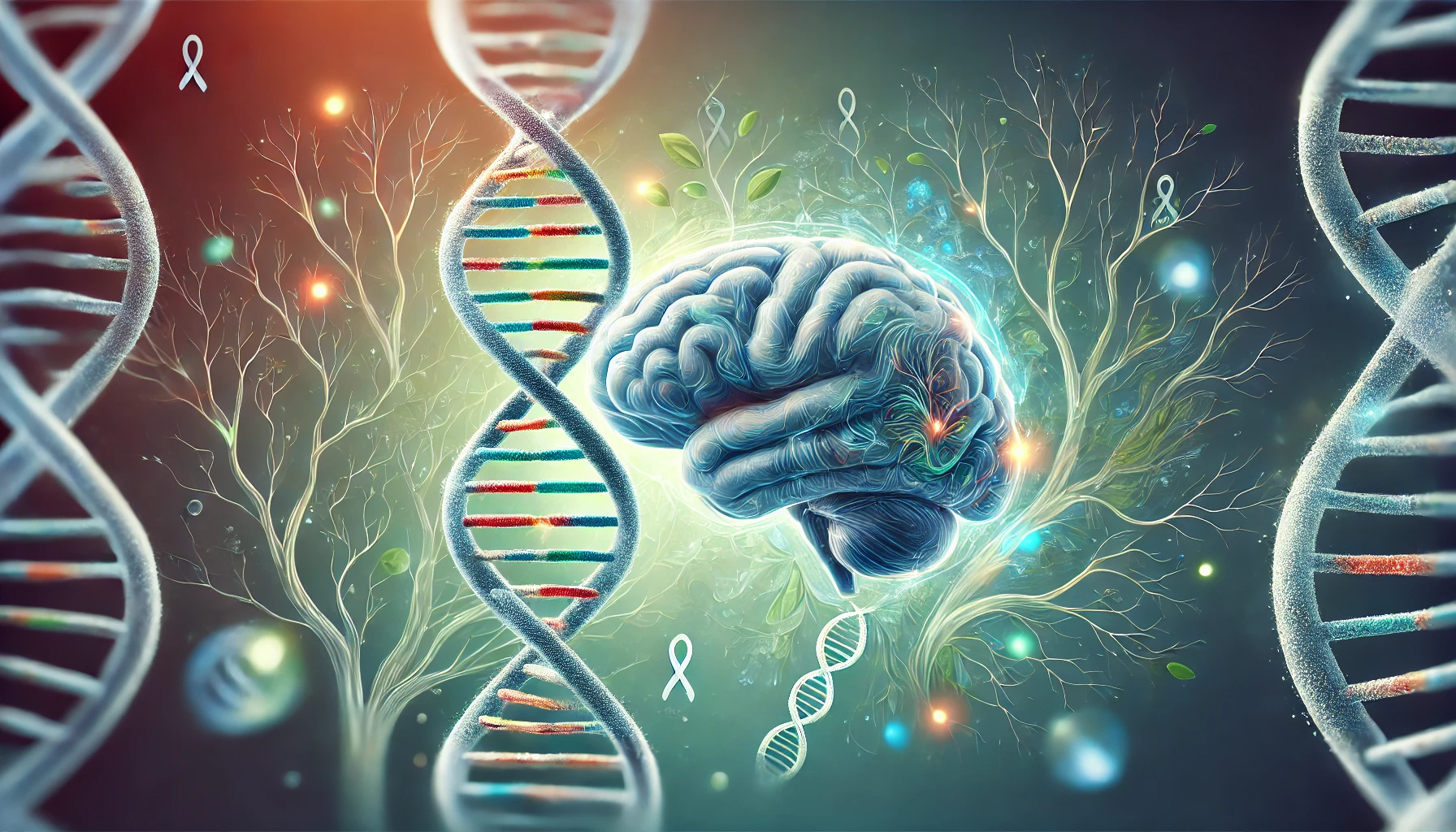
Dementia is a complex and often misunderstood condition that affects millions of people worldwide.
It’s not just one disease but an umbrella term for a range of symptoms affecting memory, thinking, and social abilities severely enough to interfere with daily life.
But here’s the million-dollar question: which types of dementia are hereditary?
If you’ve ever wondered whether dementia runs in families, you’re not alone.
Let’s break it down in a way that’s easy to understand, empathetic, and even a little entertaining.
Understanding Dementia and Genetics
Before we dive into the hereditary aspects, let’s get one thing straight: dementia isn’t just about forgetting where you left your keys (though, let’s be honest, we’ve all been there). It’s a serious condition that can impact every aspect of a person’s life.
When it comes to the genetics of dementia, things get a bit more complicated.
Not all types of dementia are created equal, and not all of them are passed down through families.
But some are. So, if you’re worried about your family history of dementia, this is the place to be.
The Role of Genes in Dementia
Genes are like the instruction manual for your body.
Sometimes, though, there’s a typo in the manual—a genetic mutation—that can increase your risk of developing dementia.
But here’s the kicker: not all genes are created equal. Some genes are like that one friend who always shows up late to the party—they might increase your risk, but they don’t guarantee you’ll develop dementia.
On the other hand, some genes are like overbearing parents—they’re directly inherited and significantly increase your chances of developing certain types of dementia.
Types of Dementia That Can Be Hereditary
Now, let’s get to the heart of the matter: which types of dementia are hereditary? Here’s a breakdown of the most common culprits.
1. Familial Alzheimer’s Disease
Alzheimer’s disease is the most common type of dementia, but did you know there’s a rare form called familial Alzheimer’s disease? This is the heavy hitter when it comes to hereditary dementia.
- What makes it hereditary? Familial Alzheimer’s is caused by specific genetic mutations in genes like APP, PSEN1, and PSEN2. If one of your biological parents has this mutation, you have a 50% chance of inheriting it.
- When does it strike? Unlike the more common late-onset Alzheimer’s, this form can show up in your 40s or 50s.
2. Frontotemporal Dementia (FTD)
Frontotemporal dementia is another type of dementia that can run in families. It’s like the rebellious teenager of the dementia world—it often shows up earlier than other types and affects personality and behavior more than memory.
- What makes it hereditary? About 30-40% of FTD cases have a strong genetic link, with mutations in genes like MAPT, GRN, and C9ORF72.
- Who’s at risk? If you have a parent or sibling with FTD, your risk of developing it increases.
3. Huntington’s Disease
While Huntington’s disease is primarily known for causing movement disorders, it also leads to a form of dementia.
- What makes it hereditary? Huntington’s is caused by a single genetic mutation in the HTT gene. If one of your parents has it, you have a 50% chance of inheriting it.
- When does it appear? Symptoms usually show up between the ages of 30 and 50.
4. Vascular Dementia
Vascular dementia is caused by reduced blood flow to the brain, often due to strokes or other vascular issues. While it’s not typically directly inherited, your family history can play a role.
- What makes it hereditary? Conditions like high blood pressure and diabetes, which can increase the risk of vascular dementia, often run in families.
- Who’s at risk? If your parents or siblings have these conditions, your risk of developing vascular dementia may be higher.
How to Know If Dementia Runs in Your Family
If you’re wondering whether dementia is in your genes, here’s a quick checklist:
- Look at your family tree. Do multiple relatives have dementia?
- Consider the age of onset. Did they develop symptoms in their 40s or 50s?
- Talk to a doctor. They might recommend genetic testing or genetic counselling.
Should You Get Genetic Testing?
Genetic testing for dementia can be a double-edged sword. On one hand, it can give you answers. On the other, it can raise more questions.
- Pros: Knowing your genetic risk can help you plan for the future.
- Cons: There’s no cure for dementia, so the results might feel overwhelming.
Reducing Your Risk of Dementia
Even if dementia runs in your family, there’s good news: you’re not powerless. Here are some ways to reduce your risk:
- Stay active. Exercise is like a superhero for your brain.
- Eat a healthy diet. Think Mediterranean—lots of fruits, veggies, and fish.
- Keep your brain busy. Puzzles, reading, and learning new skills can help.
- Manage health conditions. Keep an eye on things like blood pressure and cholesterol.
A Quick Recap: Hereditary Dementia at a Glance
| Type of Dementia | Hereditary? | Key Genes Involved |
|---|---|---|
| Familial Alzheimer’s | Yes | APP, PSEN1, PSEN2 |
| Frontotemporal Dementia | Sometimes | MAPT, GRN, C9ORF72 |
| Huntington’s Disease | Yes | HTT |
| Vascular Dementia | Indirectly | N/A (linked to family health) |
Final Thoughts
So, which types of dementia are hereditary?
While not all forms of dementia are passed down through families, some—like familial Alzheimer’s disease, frontotemporal dementia, and Huntington’s disease—have a strong genetic link.
If you’re concerned about your family history of dementia, talking to a healthcare professional can help you understand your risk of developing dementia and what steps you can take to protect your brain.
Remember, knowledge is power. Even if dementia runs in your family, there’s a lot you can do to stay healthy and reduce your risk. So, take a deep breath, grab a brain-boosting snack, and keep living your best life.