Does your loved one with dementia constantly say “I want to go home” even when they are already home?
Do they become upset and confused when you explain they are in their own house?
This heartbreaking situation affects countless families dealing with dementia and represents one of the most challenging aspects of caregiving.
When people with dementia repeatedly want to go home, they are expressing a deep emotional need that goes beyond physical location.
Understanding what “home” means to someone with dementia helps families respond with compassion and find effective strategies to provide comfort and security.
Understanding the Desire to Go Home
Dementia affects memory, perception, and emotional processing in ways that make the concept of “home” complex and layered.
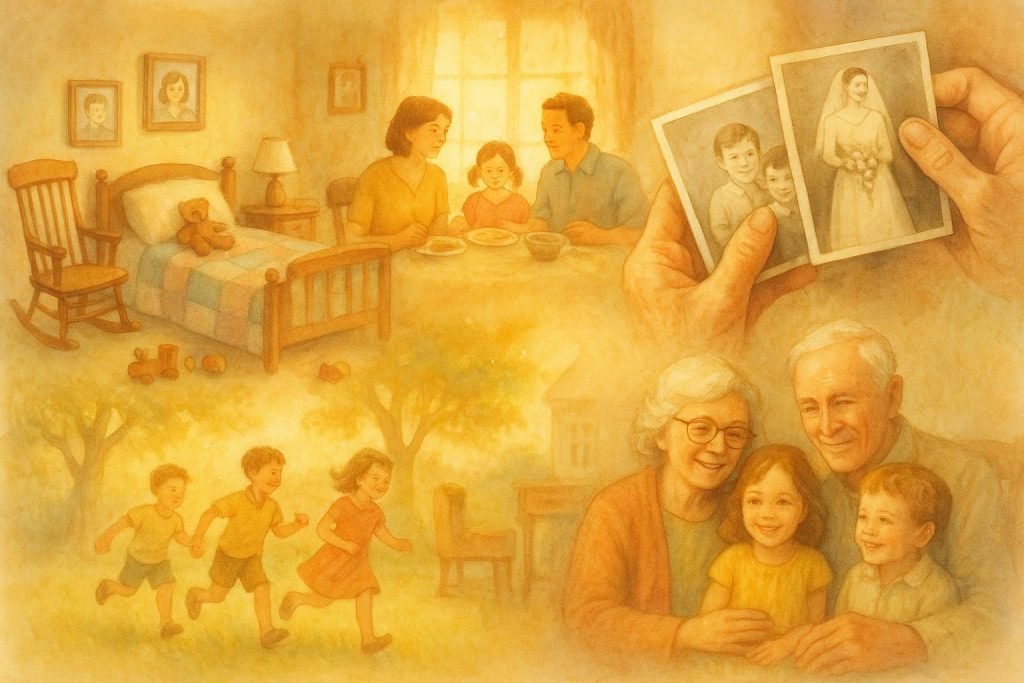
When a dementia patient expresses the desire for going home, they may not be referring to their current physical location but rather to a feeling of safety, comfort, and familiarity.
What “Home” Represents
For people with dementia, “home” often represents:
Emotional security and comfort:
- A place where they felt safe and protected
- Memories of being cared for and loved
- A time when life felt predictable and manageable
- Connection to their identity and sense of self
Specific time periods:
- Childhood home with parents and siblings
- Early married life with young children
- A previous residence where happy memories were made
- A time before dementia changed their life
People and relationships:
- Deceased parents or spouses they wish to see
- Children when they were young
- Friends and family from earlier times
- A sense of belonging and connection
Why Current Home Doesn’t Feel Like Home
Someone with dementia may not recognize their current environment as “home” because:
Memory changes:
- Recent memories fade while older memories remain stronger
- They may remember a previous home more clearly than their current one
- Confusion about time periods and life stages
- Difficulty processing current reality
Environmental factors:
- Changes made for safety may make the space feel unfamiliar
- New furniture or modifications can create confusion
- Presence of caregiver equipment or medical supplies
- Different daily routines than they remember
Common Triggers for Wanting to Go Home
Understanding what triggers the desire to want to go home helps dementia caregivers respond more effectively and prevent distressing episodes.
Time-Related Triggers
Sundowning effects:
- Late afternoon and evening confusion increases
- Going home requests often peak during these times
- Fatigue and overstimulation contribute to distress
- Changes in lighting and activity levels create anxiety
Daily routine disruptions:
- Medical appointments or unusual activities
- Visitors or changes in caregiver schedules
- Holidays or special events that feel overwhelming
- Any deviation from familiar patterns
Emotional Triggers
Feelings of displacement:
- Sensing they don’t belong in their current environment
- Confusion about their role and responsibilities
- Missing deceased family members or friends
- Feeling like a burden or guest rather than at home
Stress and anxiety:
- Overwhelming situations that agitate their emotions
- Too much stimulation or activity
- Conflict or tension in the household
- Physical discomfort or unmet needs
| Trigger Type | Examples | Response Strategy |
|---|---|---|
| Time-related | Sundowning, routine changes | Maintain consistent schedules |
| Emotional | Feeling displaced, anxiety | Provide reassurance and comfort |
| Environmental | Unfamiliar changes, noise | Create calm, familiar spaces |
| Physical | Pain, fatigue, hunger | Address basic needs promptly |
Effective Response Strategies
When a loved one begins to ask to go home, the response can either escalate or de-escalate the situation. Effective strategies focus on addressing the underlying emotional needs rather than correcting their perception.
Validation and Redirection
Acknowledge their feelings:
- “You miss your home. Tell me about it.”
- “It sounds like home was a special place for you.”
- “You’re feeling like you want to be somewhere else right now.”
- Avoid saying “You are home” or “This is your house now”
Gentle redirection:
- Ask about memories of their childhood home
- Look at photo albums together
- Engage in familiar activities that make them feel comfortable
- Shift focus to positive aspects of their current environment
Creating Home-Like Feelings
Environmental modifications:
- Display familiar photos and personal items
- Use favorite blankets, pillows, or comfort objects
- Play music from their era or favorite songs
- Maintain consistent lighting and temperature
Routine and familiarity:
- Keep daily schedules as consistent as possible
- Involve them in familiar activities like folding laundry
- Prepare favorite foods or familiar meals
- Maintain bedtime and morning routines
Communication Techniques
Calming approaches:
- Speak in a gentle, reassuring tone
- Use simple, clear language
- Allow extra time for processing and response
- Maintain calm body language and facial expressions
Distraction and engagement:
- Suggest going for a walk “to look for home”
- Offer to help them pack for the trip home later
- Engage in activities that require focus and attention
- Redirect to immediate needs like snacks or bathroom breaks
Managing Different Living Situations
The desire for going home presents unique challenges depending on where the person with dementia currently lives and receives care.
Living at Home with Family
When someone with dementia lives in their own home but still wants to want to go home:
Family caregiver strategies:
- Create photo displays of the home’s history
- Point out familiar objects and their significance
- Involve them in household activities they used to enjoy
- Maintain connections with long-term neighbors and friends
Environmental adaptations:
- Keep familiar furniture arrangements when possible
- Use consistent lighting throughout the day
- Minimize clutter and confusing elements
- Create clear pathways and familiar spaces
Assisted Living and Memory Care Settings
Senior living facilities face particular challenges when residents want to go home:
Staff training approaches:
- Educate staff about validation techniques
- Develop individualized response plans for each resident
- Create calm environments that feel homelike
- Maintain consistent caregiver assignments when possible
Facility modifications:
- Design common areas to feel residential rather than institutional
- Allow personal belongings and familiar items in rooms
- Create outdoor spaces that feel like home gardens
- Use appropriate lighting and color schemes
Nursing Home and Specialized Care
In nursing home settings, the desire for going home requires specialized approaches:
Professional dementia caregivers techniques:
- Develop comprehensive care plans addressing emotional needs
- Train staff in de-escalation and validation methods
- Create therapeutic activities that provide comfort
- Maintain family involvement and connections
Therapeutic interventions:
- Music therapy using familiar songs
- Pet therapy for emotional comfort
- Art therapy focusing on home memories
- Reminiscence therapy about past homes and experiences
Supporting Family Members
Dementia caregivers and family members also need support when dealing with constant requests to want to go home.
Emotional Impact on Families
Common family reactions:
- Guilt about not being able to fulfill the request
- Frustration with repetitive conversations
- Sadness about their loved one‘s distress
- Confusion about how to respond appropriately
Coping strategies for families:
- Understand that the behavior is part of dementia, not personal rejection
- Focus on providing emotional comfort rather than logical explanations
- Seek support from other families facing similar challenges
- Take breaks and practice self-care
Professional Support Resources
Healthcare team involvement:
- Consult with doctors about medication adjustments if needed
- Work with social workers for coping strategies
- Engage occupational therapists for environmental modifications
- Consider counseling for family stress management
Community resources:
- Dementia support groups for families
- Caregiver education programs
- Respite care services
- Adult day programs with specialized activities
Long-Term Management Strategies
Managing the ongoing desire to want to go home requires long-term planning and adaptive strategies as dementia progresses.
Adapting Approaches Over Time
Early stage modifications:
- Focus on maintaining familiar routines and environments
- Use logical explanations combined with emotional validation
- Encourage participation in decision-making about home modifications
- Maintain social connections and community involvement
Middle stage adjustments:
- Emphasize emotional validation over logical reasoning
- Increase use of distraction and redirection techniques
- Simplify environment and reduce confusing elements
- Focus on comfort and security rather than understanding
Late stage considerations:
- Prioritize physical comfort and emotional security
- Use sensory approaches like familiar scents and textures
- Maintain presence and reassurance through touch and voice
- Focus on moment-to-moment comfort rather than long-term solutions
Creating Sustainable Care Plans
Family planning:
- Develop consistent responses that all family members can use
- Create backup plans for particularly difficult episodes
- Establish support networks for caregiver relief
- Plan for changing needs as dementia progresses
Professional coordination:
- Regular assessment of strategies and their effectiveness
- Adjustment of care plans based on changing behaviors
- Training for new caregiver staff or family members
- Documentation of successful techniques for consistency
Key Takeaways
When people with dementia want to go home, they are expressing deep emotional needs for security, comfort, and connection. Understanding that “home” represents feelings rather than just a physical location helps families respond with compassion and effectiveness.
Successful management focuses on validation, redirection, and creating environments that feel safe and familiar. Whether in their own home, assisted living, or memory care facilities, the goal is to help the senior feel secure and comfortable in their current environment.
Dementia caregivers benefit from professional support, family education, and community resources. The desire for going home is a common part of the dementia journey, and families can learn effective strategies to provide comfort while maintaining their own emotional well-being.
Most importantly, remember that when a dementia patient repeatedly asks to ask to go home, they are seeking emotional comfort and security. Providing that comfort through understanding, patience, and appropriate responses can help both the person with dementia and their family navigate this challenging aspect of the condition with greater peace and connection.