

Dementia is a bit like a mystery novel with too many suspects—each type of dementia offers its own plot twists, making it one of the most complex brain disorders out there.
But don’t let the intricacy of this umbrella term used to describe a group of symptoms overwhelm you.
We’re here to break down the different types of dementia, their unique symptoms, and what they mean for people living with dementia.
What Is Dementia, Really?
Dementia is a broad term used to describe a decline in cognitive function severe enough to interfere with daily life.
Think of it as an overarching label rather than one specific disease. It’s caused by damage to brain cells, which disrupts communication in the brain.
People with dementia experience a variety of symptoms, including memory loss, confusion, and difficulty with problem-solving.
Alzheimer’s Disease
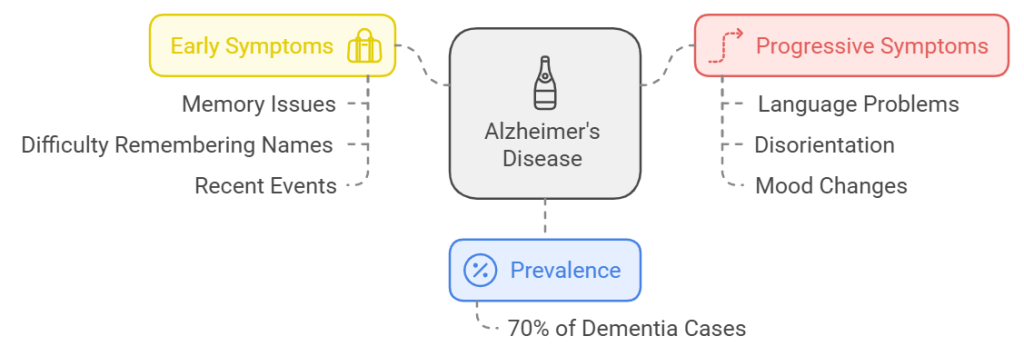
Let’s start with the superstar everyone has heard of: Alzheimer’s disease. This disease is the most common cause of dementia, responsible for up to 70% of cases.
People with Alzheimer’s disease often experience early symptoms like difficulty remembering names or recent events. As the disease progresses, symptoms include problems with language, disorientation, and changes in mood.
More info about Alzheimer’s here.
Vascular Dementia
If dementia were a silver medalist, vascular dementia would take the podium.
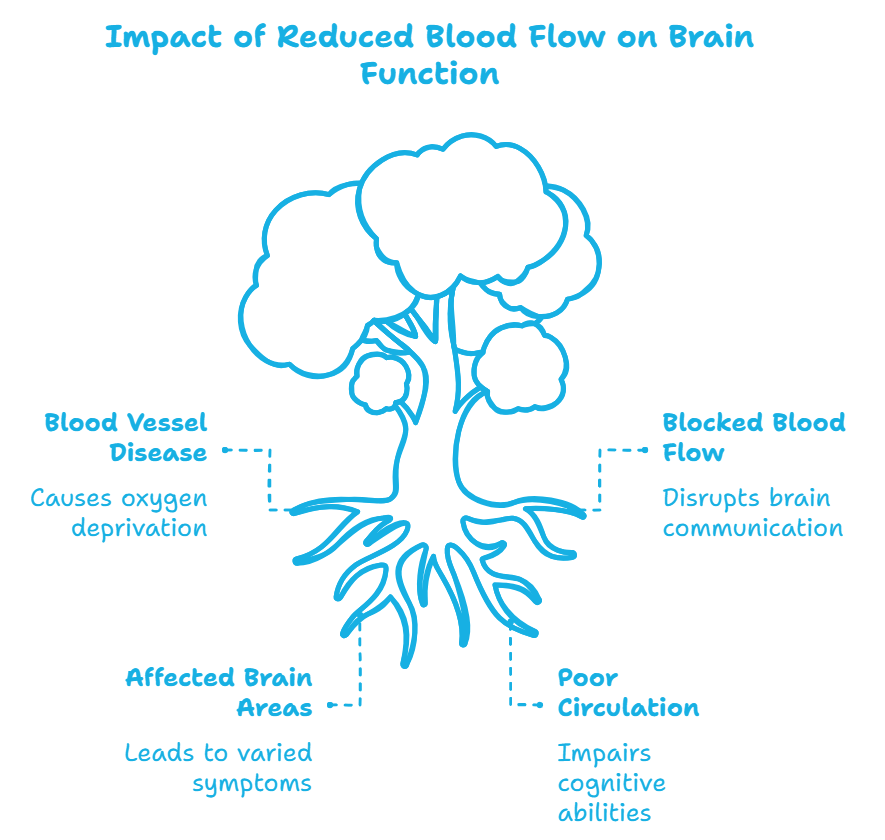
Vascular dementia is the second most common type of dementia, caused by reduced blood flow to the brain.
Blood vessel disease is often the culprit, leading to a lack of oxygen in critical areas of the brain.
Symptoms depend on the area of the brain affected but may include difficulty with organization, slower thinking, and memory problems.
Imagine the brain as a city with a complex network of roads. When traffic (blood flow) is blocked, chaos ensues.
Vascular dementia is a stark reminder of how vital good circulation is for brain health.
More info about vascular dementia here.
Frontotemporal Dementia
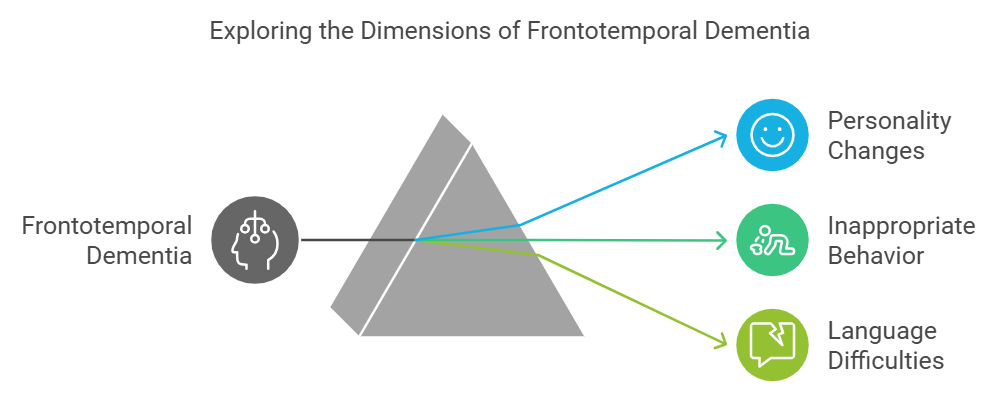
Frontotemporal dementia, or FTD, doesn’t play by the usual rules. Instead of memory loss being the first symptom, FTD focuses on the frontal and temporal lobes, areas of the brain that control personality, behavior, and language.
Symptoms include drastic personality changes, inappropriate behavior, and language difficulties.
Picture your most reliable friend suddenly becoming the life of the party—or vice versa. That’s the kind of personality shift FTD can cause.
While it’s less common, it’s one form of dementia that can profoundly alter how a person interacts with the world.
More info about frontotemporal dementia here.
Dementia with Lewy Bodies
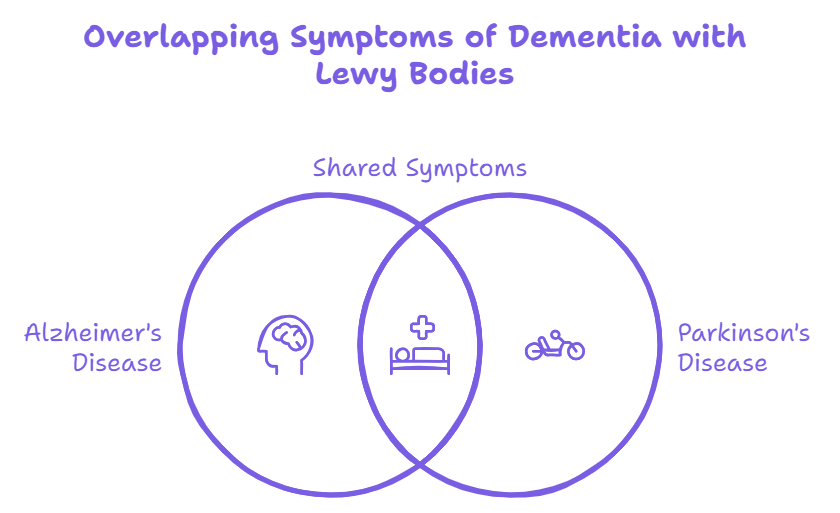
Dementia with Lewy bodies is like stepping into a house of mirrors. It shares similarities with both Alzheimer’s and Parkinson’s disease.
Lewy bodies—tiny protein deposits—disrupt brain function. Symptoms often include visual hallucinations, sleep disturbances, and motor issues similar to Parkinson’s.
People diagnosed with dementia with Lewy bodies may also experience fluctuating levels of alertness, making this type of dementia a particularly challenging companion.
More info about Lewy body dementia here.
Mixed Dementia: A Double (or Triple) Whammy
Sometimes, the brain doesn’t settle for just one problem.
Mixed dementia occurs when a person develops symptoms caused by a combination of conditions, such as Alzheimer’s disease and vascular dementia.
This can lead to a mix of cognitive and physical challenges, making diagnosis and management a bit trickier.
Other, Less Common Types of Dementia
While the heavyweights of dementia get most of the attention, there are rarer forms of dementia worth mentioning.
Huntington’s disease, a genetic disorder, can lead to dementia symptoms such as memory loss and poor coordination.
Creutzfeldt-Jakob disease, caused by abnormal prions, progresses rapidly with symptoms including confusion and behavioral changes.
There’s also alcohol-related dementia, a sobering reminder of the impact lifestyle choices can have on brain health.
Young-onset dementia (diagnosed before age 65) and early-onset dementia can disrupt careers and family life, proving that dementia doesn’t always follow the typical aging narrative.
What Causes Dementia?
So, what can lead to dementia? The causes of dementia are as varied as its symptoms.
Dementia is caused by different diseases and conditions that damage brain cells.
Common causes of dementia include Alzheimer’s, strokes, and neurodegenerative diseases like Parkinson’s disease and Huntington’s disease.
Even conditions like severe vitamin deficiencies or chronic alcohol abuse can cause dementia-like symptoms.
Early Symptoms: When to Watch for Clues
The first symptoms of dementia often appear subtly. Early symptoms include memory lapses, difficulty finding the right words, or losing track of time.
While occasional forgetfulness is normal, symptoms that interfere with daily life should raise a red flag.
If you notice symptoms like visual hallucinations or personality changes, a diagnosis of dementia may be worth exploring with a healthcare provider.
Managing Dementia Symptoms: What You Can Do
While there’s no cure for dementia, managing symptoms can make a world of difference.
For example, lifestyle changes such as regular exercise, a brain-healthy diet, and mental stimulation can help manage your symptoms and reduce the risk of developing dementia.
For people living with dementia, support groups and therapies tailored to their specific needs are invaluable.
The Human Side of Dementia
Dementia can be difficult not just for those diagnosed but also for their loved ones.
People living with dementia often need compassion and patience. Whether it’s repeating the same story or struggling to remember familiar faces, these symptoms can make daily life challenging for everyone involved.
An anecdote: A caregiver once shared that their mother, who had dementia, suddenly remembered the words to a song from her youth. It was a bittersweet moment, reminding them that while dementia affects memories, the heart often holds onto what matters most.
How to Spot Different Types of Dementia
Symptoms of dementia vary based on the type of dementia.
Common symptoms include memory loss, confusion, and behavioral changes. But unique symptoms can help pinpoint the type of dementia. For example:
- Alzheimer’s: Symptoms include memory loss and language issues.
- Vascular dementia: Symptoms often involve problem-solving and focus.
- Frontotemporal dementia: Symptoms can make personality changes front and center.
- Lewy body dementia: Symptoms like visual hallucinations and motor issues are key indicators.
The Road Ahead
Living with dementia or supporting someone who has it can feel like navigating an unfamiliar road.
But understanding the different types of dementia and their symptoms can provide clarity and comfort.
Whether it’s Alzheimer’s, vascular dementia, or a rarer form of dementia, knowledge is a powerful tool in managing the challenges ahead.
While there may be no magic wand to cure dementia, there’s hope in the strides science is making.
From new therapies to innovative research, the future may hold answers to what today feels like an unsolvable puzzle.
Wrapping Up
Dementia is a journey no one embarks on willingly, but with the right support and understanding, it doesn’t have to feel like an insurmountable mountain.
Each form of dementia has its quirks and challenges, but compassion and awareness can go a long way in creating a brighter path forward.
Remember, even in the fog of memory loss and confusion, moments of connection can shine through like sunlight breaking through the clouds.