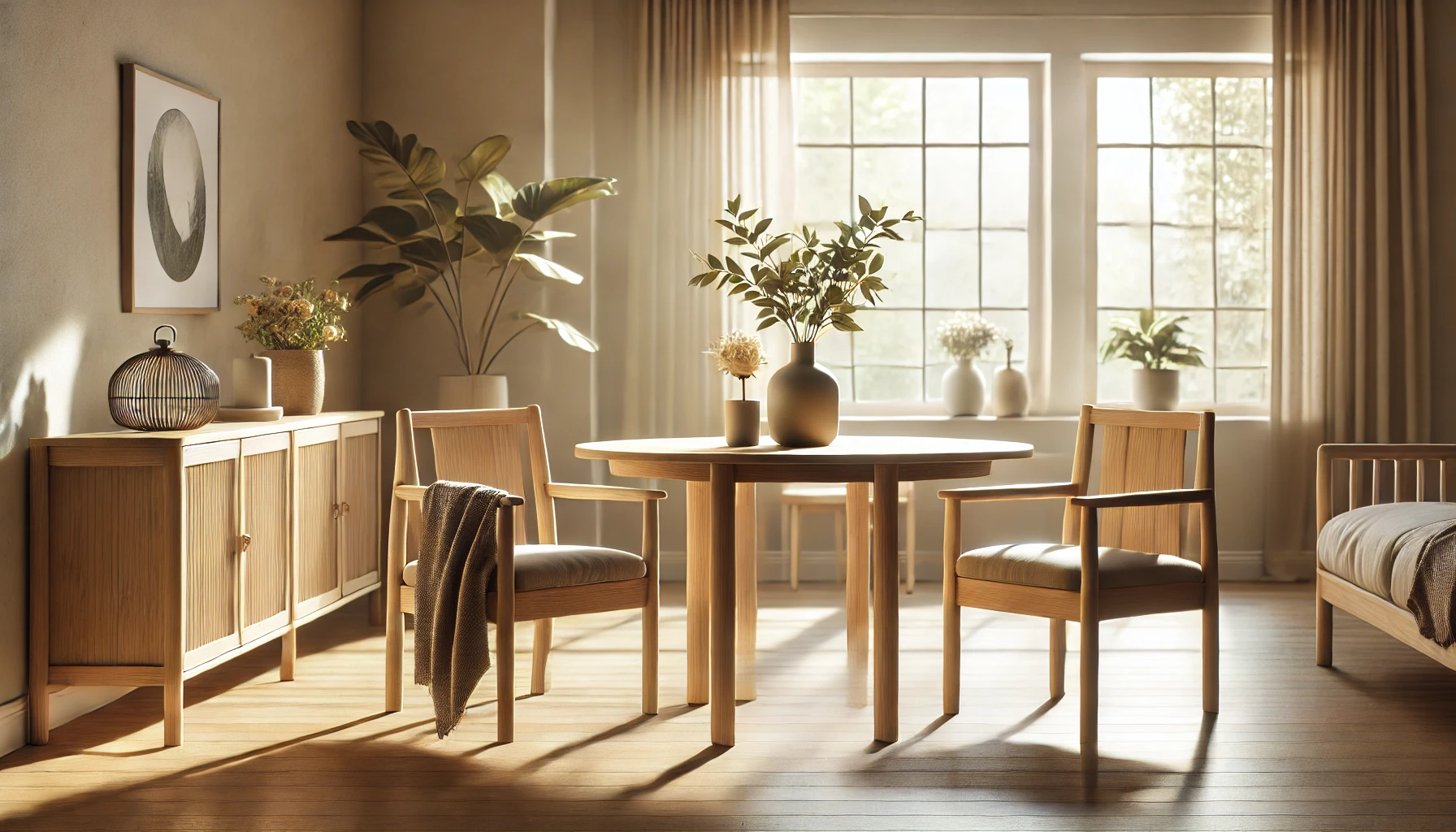
If you’re caring for someone with dementia, you might wonder: How can I make their space feel safer, calmer, and more comforting?
Solid wood furniture might seem like a small detail, but its impact can be monumental. Let’s dive into why it matters so much.
Why Solid Wood Furniture is a Game-Changer
1. Creates a Calming Atmosphere
Dementia often amplifies anxiety. Imagine a space buzzing with harsh lighting and noisy distractions—it’s overwhelming. Solid wood furniture brings nature indoors, grounding the room with its warm tones and soothing textures.
Research has shown that natural materials like wood can mimic the stress-reducing effects of being in nature. A simple oak table or walnut chair can make a world of difference.
Quick Tip: Choose furniture with natural grains and earthy finishes. A light maple desk or a smooth beech bench can create an instant oasis.
2. Reduces Visual Overload
For dementia patients, too much clutter or busy patterns can feel like sensory chaos. Solid wood furniture, with its understated elegance, simplifies spaces and reduces distractions.
Pro Design Hack:
- Use muted wood tones like ash or pine.
- Pair wood with neutral fabrics to maintain harmony.
Here’s a comparison:
| Feature | Solid Wood | Synthetic Materials |
|---|---|---|
| Grain and texture | Organic | Uniform |
| Visual impact | Calming | Overwhelming |
| Sensory feel | Warm | Cold |
3. Supports Familiarity and Routine
Consistency is key for dementia patients. Unlike synthetic materials that can feel cold and impersonal, wood carries a sense of warmth and familiarity—much like the homes many grew up in.
Adding wooden furniture can spark comforting memories, creating a stable and predictable environment.
Did You Know? The tactile quality of wood is often described as grounding, helping to anchor wandering thoughts.
How Solid Wood Furniture Enhances Well-Being
Improves Sensory Comfort
Dementia often heightens sensitivity to surroundings. Solid wood offers:
- A stable, smooth texture that’s easy to touch.
- Warmth that’s welcoming, unlike metal or plastic.
- Natural variations that feel authentic, not artificial.
Boosts Connection to Nature
Biophilic design principles tell us we’re happier when surrounded by natural elements. A reclaimed wooden dining table, for example, not only fosters connection to nature but also encourages social engagement.
Enhances Focus and Engagement
The simplicity of wooden designs reduces cognitive strain, making it easier for patients to focus on familiar activities like meals or hobbies. A study even links wooden environments to improved cognitive performance!
Tips for Incorporating Solid Wood Furniture
- Prioritize Comfort: Opt for chairs with cushioned seats or rocking chairs for relaxation.
- Think Safety First:
- Avoid sharp edges.
- Secure furniture to prevent tipping.
- Add Sensory Touches: Consider live-edge wood pieces that offer unique textures.
- Mix with Other Natural Elements: Pair wooden furniture with plants or soft lighting for a truly nurturing space.
Final Thoughts
Solid wood furniture doesn’t just furnish a home—it transforms it into a haven. From creating calm environments to sparking cherished memories, the benefits of solid wood furniture for dementia patients are undeniable.
So why not give it a shot? After all, the simplest changes often bring the biggest comfort.