
Are Dementia Patients Violent? What Families Need to Know

When your loved one is diagnosed with dementia, questions come fast and hard. One of the most worrying:“Will they become violent?”“Why are they yelling or hitting when they were never like this before?”“What do I do if they lash out?” If you’re asking these questions, you’re not alone. Many caregivers wonder if aggression is a normal […]
What are Sundowning Symptoms?
If you’re a caregiver for someone with dementia, you’ve likely noticed increased confusion, restlessness, or anxiety as daylight fades. You may wonder why your loved one experiences more difficulty in the late afternoon or early evening. This is called sundowning or sundown syndrome. Sundowning is a Term You Should Know Sundowning refers to a group of […]
Nasal Foralumab Shows Positive Results in Alzheimer’s Disease Study

The Journal of Clinical Nuclear Medicine has published results from a study of Tiziana Life Sciences’ nasal Foralumab. The study tested the drug in patients with moderate Alzheimer’s disease. Researchers gave one patient daily doses of nasal Foralumab for 13 weeks. They followed this with a 13-week treatment-free period. The patient showed reduced brain inflammation […]
Prolonged Sitting Increases Alzheimer’s Risk Even With Regular Exercise, New Study Finds
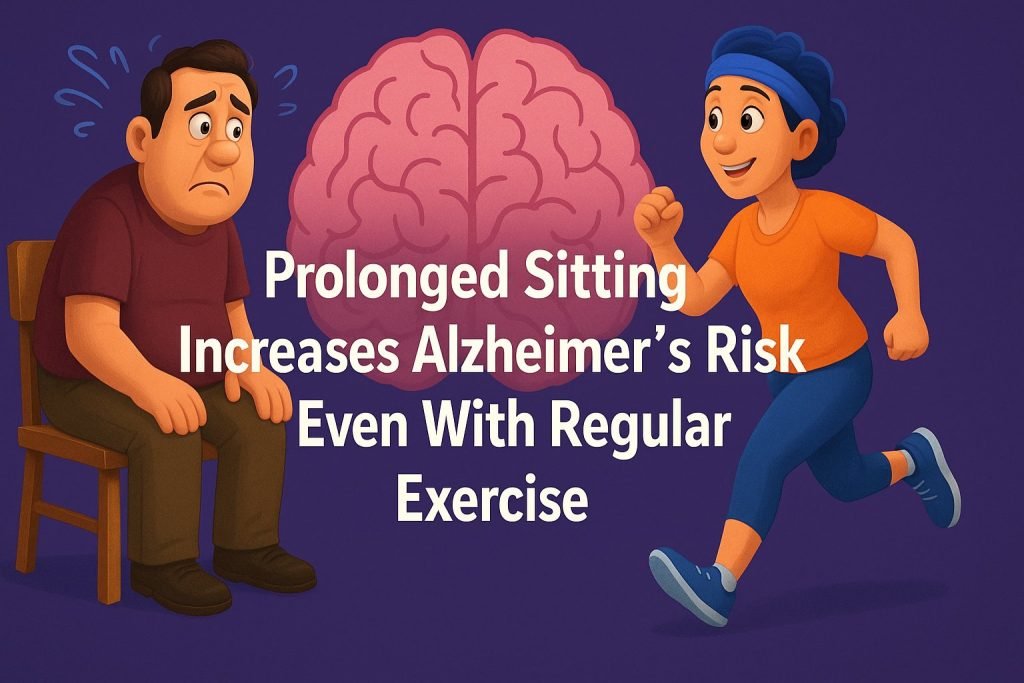
A new study published in Alzheimer’s & Dementia: The Journal of the Alzheimer’s Association has revealed that prolonged periods of sitting are significantly associated with cognitive decline and brain shrinkage linked to Alzheimer’s disease—even in individuals who exercise regularly. This research provides important insights into how everyday habits like sedentary behavior may play a crucial […]
Understanding Sundowning Syndrome in Dementia Care
Understanding Sundowning Syndrome in Dementia Care Sundowning is a group of symptoms that often affect people with dementia. These symptoms usually appear in the late afternoon or early evening. Sundowning may cause confusion, agitation, and anxiety as the day ends. This article explains what sundowning is, what causes it, and how to manage sundowning to […]
Can Lifestyle Changes Reverse Early Dementia?
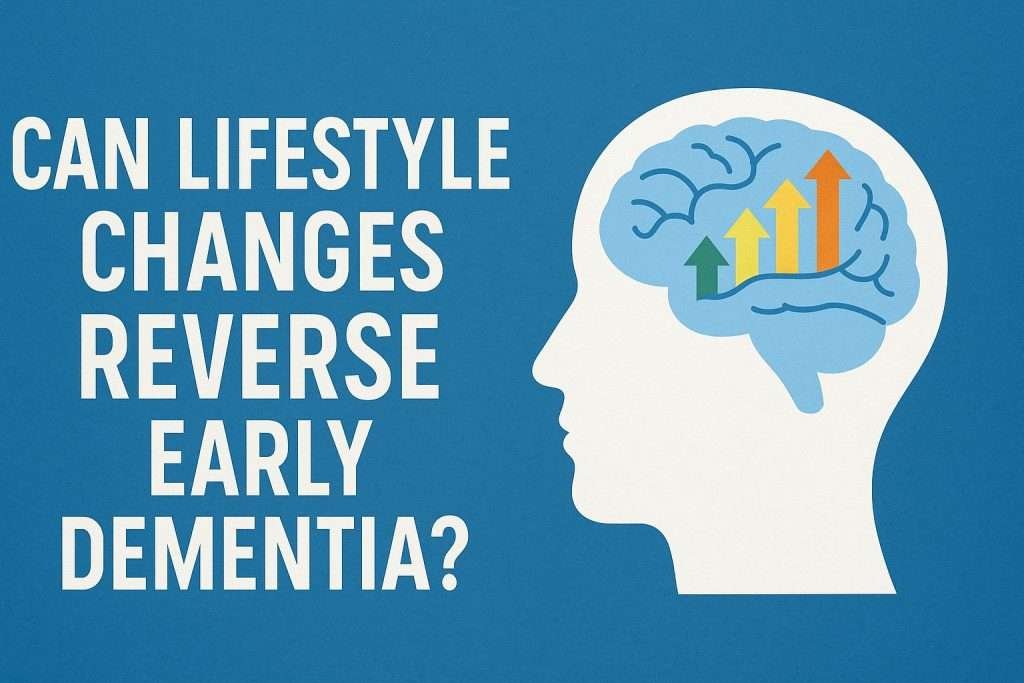
Lifestyle changes are gaining attention as a possible way to reverse early dementia. New research shows that targeted, intensive lifestyle interventions may significantly improve cognition and function. A controlled clinical trial now supports what many suspected—simple lifestyle changes can lead to major cognitive benefits. The New Study on Lifestyle and Dementia What the Study Did […]
Your Voice Might Reveal Alzheimer’s Years in Advance — Here’s How AI is Changing the Game

Alzheimer’s disease has long been a diagnostic challenge, often requiring a battery of tests, multiple specialists, and months of anxious waiting. But an exciting frontier is emerging: artificial intelligence (AI) models that detect Alzheimer’s before traditional symptoms appear—using something as simple as your voice. The Current Problem with Alzheimer’s Diagnosis Currently, diagnosing dementia involves: This […]
Music Therapy Benefits for Dementia Patients

Music therapy offers a clear and effective approach to support dementia care. Many studies highlight the benefits of music therapy for managing symptoms and improving quality of life in dementia patients. This article explores the effect of music therapy on memory, mood, and communication in people with dementia, providing concise information for both caregivers and health professionals. […]
Does Creatine Help with Dementia Patients?
Creatine is a compound found in the body that helps produce energy. While it is mostly known for its use in sports and fitness, recent studies explore its effect on the brain. Researchers are now examining whether creatine helps people with dementia by supporting brain energy and improving cognitive performance. What Is Creatine? Creatine is […]
Facing Younger Onset Alzheimer’s: A Raw and Honest Reflection from a Patient’s First Geriatric Appointment
Younger onset Alzheimer’s disease (YOAD) presents a distinct set of challenges, particularly when it comes to diagnosis and the emotional journey that follows. In a deeply personal video, a patient shares their experience leading up to and following their first appointment with a geriatrician. This candid reflection offers valuable insights into the psychological complexities, diagnostic […]