The Silent Epidemic: Social Isolation in Seniors with Dementia
For seniors living with dementia, the world can become a lonely place. As the disease progresses, communication becomes more difficult, and social circles may shrink.
This can lead to social isolation, a serious issue that can have a profound impact on a person’s mental and physical health.
Preventing social isolation is a critical aspect of dementia care.
This article will explore the importance of social connection for seniors with dementia and provide practical strategies for families and caregivers to foster engagement and combat loneliness.
Why Social Connection Matters
Social interaction is a fundamental human need. For individuals with dementia, staying socially active can have numerous benefits:
•Improved Cognitive Function: Engaging in social activities can help stimulate the brain and may even slow the rate of cognitive decline [1].
•Enhanced Mood: Social connection can reduce feelings of depression and anxiety, which are common in people with dementia.
•Increased Self-Esteem: Participating in meaningful activities and maintaining relationships can boost a person’s sense of self-worth and identity.
•Better Physical Health: Socially active seniors tend to have better physical health outcomes and a lower risk of other health problems.
Strategies for Promoting Social Engagement
There are many ways to help a person with dementia stay socially connected. The key is to find activities that are enjoyable, meaningful, and adapted to their abilities.
Structured Group Activities
Structured group activities provide a supportive environment for social interaction. Many communities offer programs specifically designed for individuals with dementia, such as:
•Adult Day Centers: These centers provide a safe and stimulating environment for seniors with dementia, offering a variety of activities and social opportunities.
•Memory Cafes: These are informal gatherings where people with dementia and their caregivers can socialize, share experiences, and enjoy activities together.
•Support Groups: Support groups can be a valuable resource for both the person with dementia and their caregivers, providing emotional support and a sense of community.
Hobbies and Interests
Engaging in hobbies and interests can be a great way to stay socially connected. Consider activities that the person has enjoyed in the past and adapt them as needed. Some ideas include:
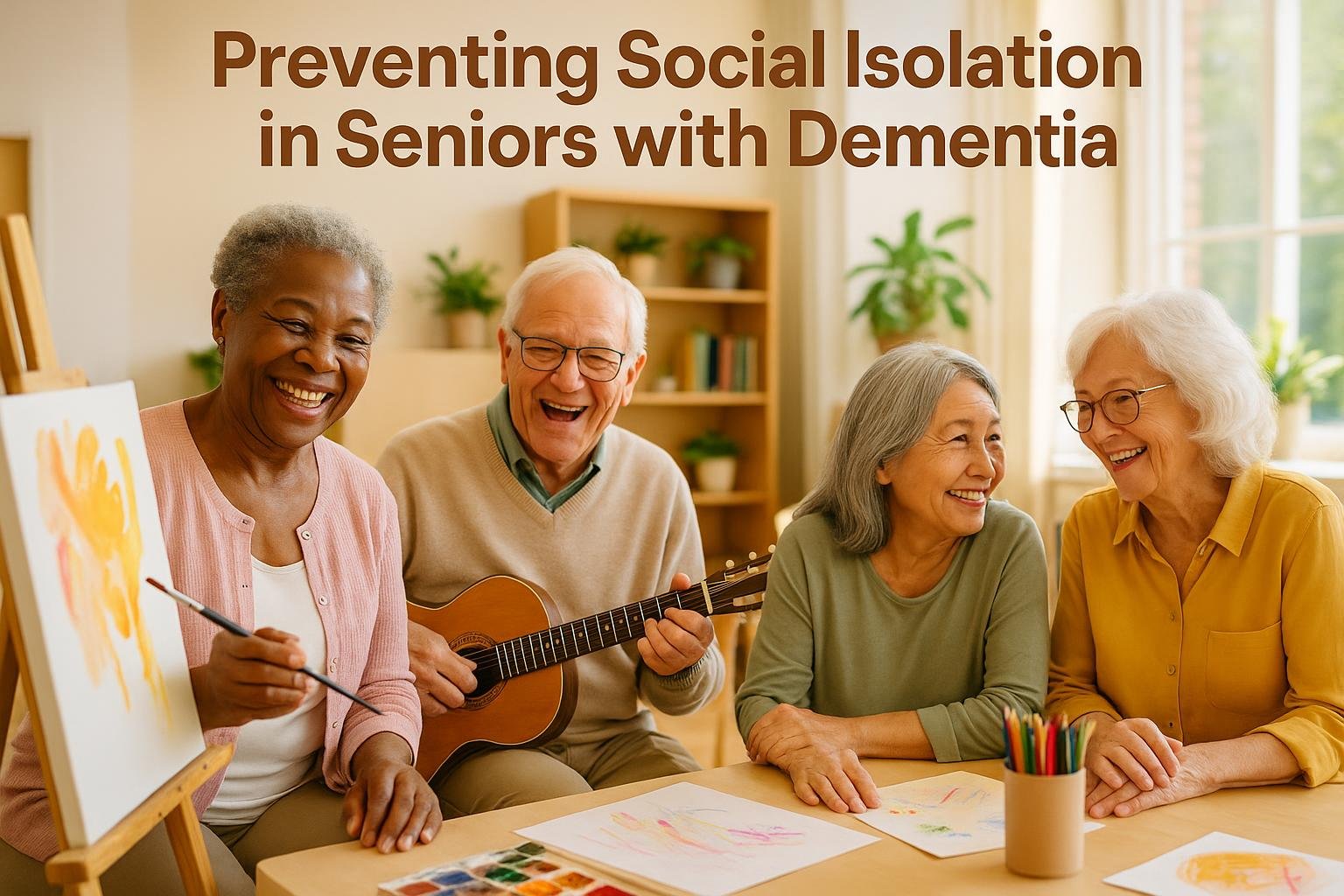
•Art and Music Therapy: Creative activities like painting, drawing, and music can be very therapeutic and provide a non-verbal way to express emotions.
•Gardening: Gardening can be a relaxing and rewarding activity that can be done alone or with others.
•Joining a Club: A book club, a walking group, or a choir can provide regular opportunities for social interaction.
| Strategy | Description |
| Group Activities | Structured programs like adult day centers and memory cafes. |
| Hobbies | Engaging in enjoyable activities like art, music, or gardening. |
| Technology | Using video calls and social media to connect with loved ones. |
| Community | Creating an age-friendly and dementia-friendly community. |
Leveraging Technology
Technology can be a powerful tool for combating social isolation, especially for those who have difficulty leaving their homes. Video calls with family and friends, online social groups, and even virtual reality experiences can provide a sense of connection.
It is important to choose technology that is user-friendly and to provide support to help the person learn how to use it.
Creating a Dementia-Friendly Community
Building a community that is understanding and supportive of people with dementia is essential for preventing social isolation. This includes educating the public about dementia, creating safe and accessible spaces, and promoting intergenerational programs that bring together people of all ages.
The World Health Organization advocates for creating age-friendly cities and communities that are inclusive of older adults with varying needs and capacities [2].
Dementia-friendly communities can include features such as:
•Training for local businesses and service providers on how to interact with people with dementia
•Clear signage and wayfinding in public spaces
•Accessible public transportation
•Community events and activities that are welcoming to people with dementia
When communities are more inclusive, people with dementia are more likely to feel comfortable going out and participating in social activities.
The Role of Caregivers and Family
Caregivers and family members play a crucial role in helping a person with dementia stay socially connected. Here are some tips:
•Be Patient and Understanding: Communication can be challenging, so it is important to be patient and to find creative ways to connect.
•Focus on Quality, Not Quantity: Even short, positive interactions can make a big difference.
•Encourage and Support: Encourage the person to participate in activities but be mindful of their energy levels and preferences.
•Involve Others: Don’t be afraid to ask for help from other family members, friends, and community resources.
It is also important for caregivers to recognize the signs of social isolation in the person they are caring for. These signs may include withdrawal from activities they once enjoyed, increased apathy, and changes in mood or behavior. If you notice these signs, take steps to increase social engagement.
The Impact of Social Isolation on Health
Social isolation is not just a matter of loneliness; it can have serious consequences for physical and mental health. Studies have shown that social isolation is associated with an increased risk of cognitive decline, depression, heart disease, and even premature death [3]. For people with dementia, social isolation can accelerate the progression of the disease and reduce quality of life.
A Connected Life
Social isolation is a serious but preventable problem for seniors with dementia. By focusing on meaningful activities, leveraging technology, and building supportive communities, we can help individuals with dementia live connected and fulfilling lives. It is a collective effort that requires the involvement of families, caregivers, and the community as a whole.
References
[1] National Institute on Aging. (2024, July 11). Loneliness and Social Isolation — Tips for Staying Connected. https://www.nia.nih.gov/health/loneliness-and-social-isolation/loneliness-and-social-isolation-tips-staying-connected
[2] World Health Organization. (n.d.). Reducing social isolation and loneliness among older people. https://www.who.int/activities/reducing-social-isolation-and-loneliness-among-older-people
[3] Alzheimer’s Society UK. (n.d.). Social isolation and dementia risk. https://www.alzheimers.org.uk/about-dementia/managing-the-risk-of-dementia/reduce-your-risk-of-dementia/social-isolation
[4] RTI International. (2023, November 6). Solutions for Social Isolation in Dementia Communities. https://www.rti.org/insights/social-isolation-loneliness-dementia-and-caregivers