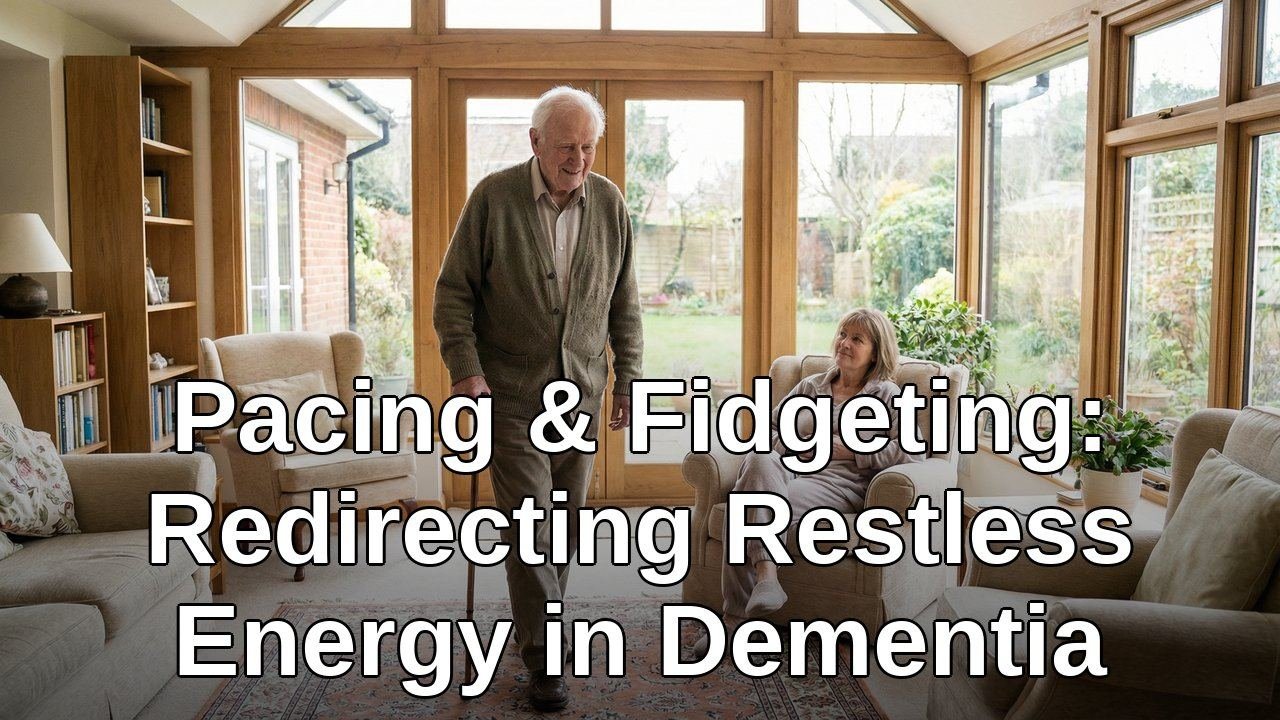
Pacing and Fidgeting in Dementia: Understanding and Redirecting Restless Energy
“Why are they always walking around?” “What can I do to help them settle down?” These are common questions caregivers ask when a person living with dementia exhibits constant pacing or fidgeting. This guide explores why these behaviors occur and offers practical strategies to support individuals living with dementia.
Why Restlessness Occurs: Unpacking the Causes of Pacing and Fidgeting
Pacing and fidgeting are often outward signs of internal experiences a person with dementia struggles to articulate, stemming from physical, emotional, or environmental factors.
Anxiety and Disorientation
Feeling lost or confused can trigger anxiety, manifesting as physical restlessness. A person might be searching for something familiar or trying to make sense of their surroundings.
Excess Energy or Boredom
Pacing can be a way to expend unused energy if a person living with dementia lacks physical activity or mental stimulation. Boredom also leads to repetitive fidgeting as they seek engagement.
Pain or Discomfort
Unaddressed pain or physical discomfort can drive restlessness. A person with dementia may not communicate pain clearly, leading them to pace or fidget. Always consider underlying medical issues.
Medication Side Effects
Certain medications can increase restlessness or agitation. Review all current medications with a healthcare professional if pacing and fidgeting intensify; adjustments might be necessary.
Environmental Factors and Sundowning
The environment plays a crucial role. Overstimulation, noise, or unfamiliar settings contribute to restlessness. Many people with dementia experience increased confusion and agitation during Sundowning Syndrome, exacerbating pacing and fidgeting.
Distress or Habit? Differentiating the Behavior
Distinguishing between distress-driven restlessness and habitual movements is key. Observe body language, facial expressions, and vocalizations for signs of distress. If distress is evident, immediate comfort and reassurance are paramount; if it’s a habit, redirection and engagement are more effective.
Creating Safe Pacing Environments
For individuals who pace to release energy, creating a safe, designated space is beneficial. This allows free movement without injury or getting lost. Consider these elements for a dementia-friendly environment:
- Clear Pathways: Ensure hallways and rooms are free of clutter and obstacles. Remove throw rugs or anything that could cause a trip or fall.
- Secure Exits: If wandering is a concern, implement safety measures like door alarms or child-proof locks. GPS Trackers for Wandering can also provide peace of mind.
- Comfortable Seating: Offer inviting seating areas along pacing routes, encouraging short breaks and opportunities for rest.
- Familiar Surroundings: A sense of familiarity can reduce anxiety. Incorporate personal items and consistent room arrangements. More tips can be found in Dementia-Friendly Home Design.
Fidget Tools and Sensory Activities
Fidgeting often indicates a need for sensory input or self-soothing. Appropriate tools and activities can satisfy this need, reducing repetitive movements, especially during anxiety or boredom.
Effective Fidget Tools
| Fidget Tool Type | Description | Benefits |
|---|---|---|
| Fidget Blankets | Lap-sized blankets with various textures, zippers, buttons, and pockets. | Provides tactile stimulation, keeps hands busy, can reduce anxiety. |
| Textured Objects | Smooth stones, soft fabrics, stress balls, or items with raised patterns. | Offers diverse sensory input, promotes focus, can be calming. |
| Sorting Tasks | Sorting buttons, coins, or colored blocks into containers. | Engages cognitive function, provides a sense of purpose, structured activity. |
| Busy Boards | Boards with latches, switches, locks, and gears. | Encourages fine motor skills, problem-solving, and sustained engagement. |
Engaging Sensory Activities
Beyond specific tools, sensory-rich activities can reduce restlessness. Simple tasks like folding laundry, watering plants, or listening to music provide meaningful engagement. Consider activities aligning with past hobbies. Explore Activities for Seniors with Alzheimer’s for more ideas.
Redirecting Techniques: Gentle Guidance
When pacing or fidgeting becomes disruptive or unsafe, gentle redirection is more effective than confrontation. The goal is to shift focus without causing further distress.
- Offer a Preferred Activity: Suggest an activity they typically enjoy, such as looking at a photo album, listening to music, or a simple chore. Frame it as an invitation, not a demand.
- Provide a Snack or Drink: Sometimes, restlessness is a sign of hunger or thirst. Offering a favorite beverage or a small snack can be a simple yet effective distraction.
- Change of Scenery: Moving to a different room or going for a short walk outdoors can sometimes break the cycle of restlessness. A change in environment can offer new stimuli and reduce agitation.
- Calming Presence: Your calm demeanor can be contagious. Speak in a soft, reassuring tone and offer a gentle touch if appropriate. Avoid raising your voice or showing frustration.
When Pacing Becomes a Safety Concern
While some pacing is harmless, it can become a safety issue, leading to falls, exhaustion, or wandering. If pacing causes frequent falls or significant weight loss, consult a healthcare professional. They can assess underlying medical conditions, adjust medications, or recommend physical therapy.
The Role of Exercise in Reducing Restlessness
Regular physical activity is vital for individuals living with dementia. Exercise expends excess energy, improves sleep, and reduces anxiety, decreasing pacing and fidgeting. Even short, supervised walks or chair exercises help. Consistent activity also manages Dementia and Sleep, which contributes to daytime restlessness.
Supporting Your Loved One with Empathy
Pacing and fidgeting are expressions of unmet needs or internal discomfort, not defiance. Approach these behaviors with empathy, patience, and a willingness to experiment. Seeking support from other caregivers or professional resources provides valuable insights. Understanding restless energy and implementing thoughtful interventions creates a more peaceful environment for the person living with dementia, fostering their well-being and your peace of mind.