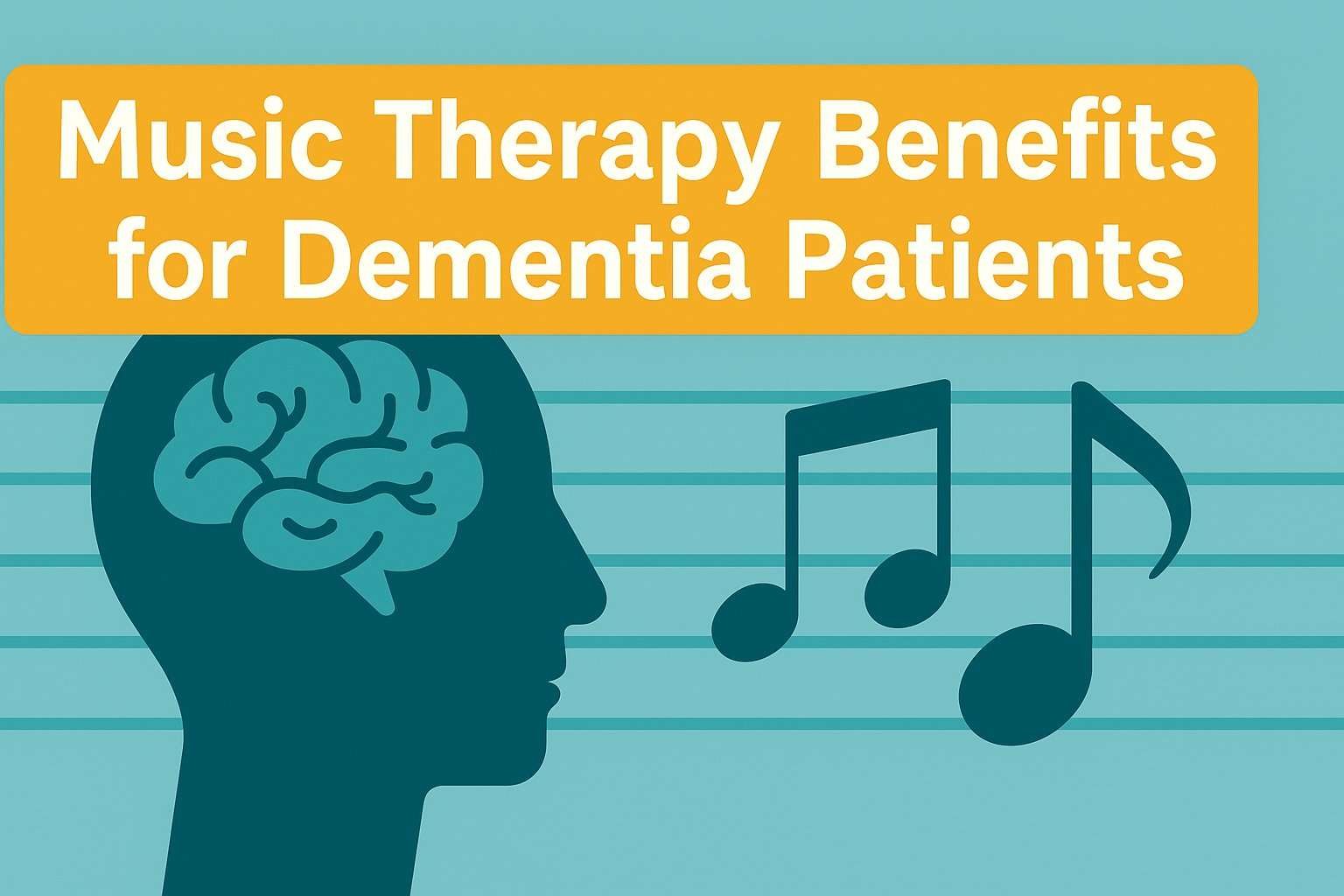
Music therapy offers a clear and effective approach to support dementia care.
Many studies highlight the benefits of music therapy for managing symptoms and improving quality of life in dementia patients.
This article explores the effect of music therapy on memory, mood, and communication in people with dementia, providing concise information for both caregivers and health professionals.
What Is Music Therapy?
Definition and Application
Music therapy is a form of therapy where a music therapist uses music to address physical, emotional, and cognitive needs.
The American Music Therapy Association defines it as a clinical and evidence-based practice that uses music to help patients meet therapeutic goals.
Role of the Music Therapist
A certified music therapist has completed an approved music therapy program. The presence of a music therapist ensures the sessions are safe and goal-driven, especially in therapy to improve cognition or behavior.
How Music Therapy Helps Dementia Patients
Cognitive Benefits
| Benefit | Description |
|---|---|
| Memory Recall | Helps patients with memory recall by activating brain regions linked to musical memory. |
| Attention | Enhances focus during music listening or group music sessions. |
| Orientation | Improves awareness of time and surroundings through rhythmic cues. |
The effect of music intervention on cognitive function is well documented. Music therapy on cognition can improve cognitive functions in patients, particularly in those with Alzheimer’s disease and Lewy body dementia.
Emotional and Behavioral Effects
- Reduces anxiety, aggression, and restlessness.
- Encourages calmness and positive emotions.
- The effect of music on agitation shows reduced stress during therapy sessions.
Communication Support
Music helps with communication skills by promoting verbal and non-verbal expression. This is vital for patients with dementia who struggle with speech.
Types of Music Therapy Used in Dementia Care
Active vs Receptive Music Therapy
| Type | Description |
|---|---|
| Active music therapy | Patients sing or play instruments. Promotes engagement. |
| Receptive music therapy | Patients listen to music. Promotes relaxation and memory recall. |
Individualized Music and Group Sessions
- Individualized music: Personalized playlists can trigger positive memories.
- Group music intervention: Encourages social interaction and emotional bonding.
The use of music interventions, especially multisensory stimulation and individualized music, increases engagement in older adults with dementia.
Evidence of Effectiveness
Research Findings
| Study | Result |
|---|---|
| Cochrane Review | Shows improved mood and reduced depression in nursing home residents with dementia. |
| Journal of Alzheimer’s Disease | Music therapy significantly improves cognitive function in alzheimer’s patients. |
| NIH Study | Suggests that music reduces psychological symptoms of dementia like apathy and anxiety. |
The impact of music therapy is consistent across settings and severity of dementia. The long-term effects of music therapy include better daily functioning and mood stability.
Choosing the Right Music
Type of Music Matters
- Familiar music and songs often produce better responses.
- Caregivers should choose the music based on the patient’s past preferences.
The response to music varies, but familiar melodies usually produce strong emotional reactions. Music can help recall specific events, even when other memories fade.
Music and Dementia by the Numbers
| Metric | Statistic |
|---|---|
| Prevalence of dementia | Over 55 million globally (WHO) |
| Common cause of dementia | Alzheimer’s disease (60–70%) |
| Effect of a music session | Up to 60% reduction in agitation |
| American Music Therapy Association data | Over 8,000 certified therapists in the U.S. |
Practical Applications in Dementia Care
Music Therapy Practice in Settings
- Dementia care units often integrate music therapy in dementia routines.
- Effective in nursing home residents with dementia, elderly patients with dementia, and older people with dementia.
Sessions and Programs
- A structured music therapy program may include:
- Weekly music sessions
- Art and music activities
- Guided music listening
Summary of Potential Benefits
| Category | Benefit |
|---|---|
| Memory | Supports memory of music and personal history |
| Mood | Reduces stress, depression, and anger |
| Behavior | Calms agitation and supports sleep |
| Communication | Encourages speaking and social interaction |
| Brain Function | Music stimulates the brain and improves cognitive function |
The potential benefits of music therapy extend to patients and their families, offering relief and connection. The use of music therapy is proven and practical for treatment for dementia.
Final Thoughts
Music therapy for dementia patients provides clear improvements in memory, mood, and communication.
As music therapy in the treatment of dementia grows, the evidence supports wider adoption.
For caregivers and professionals, the efficacy of music therapy offers a valuable, accessible option to help dementia care succeed.