Is Your Home a Safe Haven or a Field of Obstacles?
For a person living with dementia, a familiar home can suddenly feel like a confusing and dangerous place. Changes in perception, balance, and memory can turn everyday objects into hazards. Creating a dementia-friendly environment isn’t about building a new house; it’s about making thoughtful adjustments that promote safety, reduce anxiety, and support independence.
This checklist, based on guidance from leading organizations like the Alzheimer’s Association, will help you transform your home into a safer, more comfortable space for your loved one [1].
The Foundation of a Dementia-Friendly Home
Before you start rearranging furniture, focus on the two most critical elements for safety: lighting and flooring.
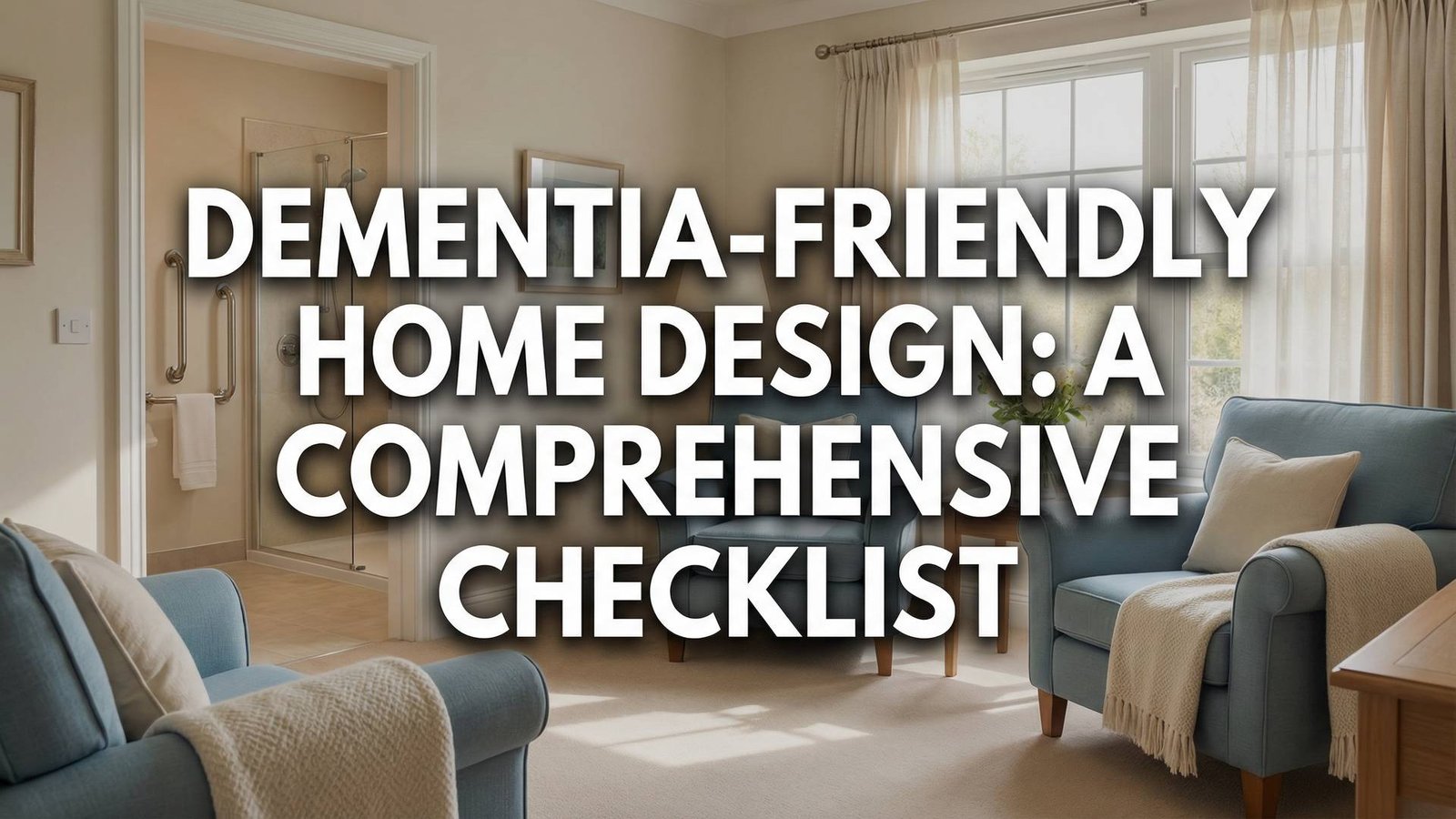
Good lighting is essential. As dementia progresses, the brain has a harder time interpreting what the eyes see. Bright, even lighting without glare can reduce confusion and prevent falls. Similarly, floors should be clear and non-slip. The number one rule is to remove all throw rugs. Their edges are a significant trip hazard.
| Feature | Recommendation | Why It Matters |
|---|---|---|
| Lighting | Use bright, even lighting. Add night lights in hallways, bedrooms, and bathrooms. | Reduces confusion and disorientation in the home. |
| Flooring | Remove all throw rugs and secure any loose carpet edges. | Eliminates the most common trip hazards in the home. |
| Clutter | Keep floors and pathways clear of clutter, cords, and unnecessary furniture. | Creates clear, safe walking paths and reduces overstimulation. |
Room-by-Room Safety Checklist
Bathroom
The bathroom is one of the most high-risk areas in the home due to wet surfaces and hard fixtures.
- Install Grab Bars: Place grab bars near the toilet and in the shower or tub. Ensure they are a contrasting color to the wall for better visibility.
- Set Water Temperature: Set your water heater to below 120°F (48°C) to prevent accidental burns.
- Use Non-Slip Mats: Place non-slip mats in the shower and on the bathroom floor.
- Simplify the Toilet: A raised toilet seat can make sitting and standing easier. Consider a picture of a toilet on the door to help with location.
Kitchen
The kitchen contains multiple potential dangers, from sharp objects to hot appliances.
- Secure Dangerous Items: Use childproof locks on cabinets containing cleaning supplies, sharp knives, or other dangerous items.
- Appliance Safety: Install stove knob covers or an automatic shut-off device for the stove. If possible, disconnect the garbage disposal.
- Label Clearly: Label drawers and cabinets with simple words or pictures (e.g., “Plates,” “Cups”) to help your loved one find things independently.
Bedroom
A calm and simple bedroom environment promotes better sleep and reduces nighttime confusion.
- Motion-Sensor Night Lights: These are invaluable for illuminating the path to the bathroom at night.
- Remove Mirrors (If Necessary): For some, seeing their reflection can be distressing, as they may not recognize themselves. If this happens, cover or remove mirrors.
- Use a Bedside Commode: If nighttime incontinence or mobility is an issue, a portable commode can be a safe and dignified solution.
Advanced Safety Measures
As dementia progresses, you may need to implement additional safety strategies.
- Door and Window Alarms: Simple contact sensors on exterior doors and windows can alert you if your loved one tries to leave the house, which is critical for preventing wandering.
- Secure Medications: All medications, both prescription and over-the-counter, should be stored in a locked box or cabinet.
- Remove or Secure Firearms: If there are any firearms in the home, they must be removed or securely locked away, with ammunition stored separately.
Creating a dementia-friendly home is an ongoing process of observation and adaptation. By making these changes, you are not just preventing accidents; you are creating a supportive environment that honors your loved one’s dignity and reduces their anxiety.
Disclaimer: This article is for informational purposes only and does not constitute medical or legal advice. Always consult with a healthcare professional for any health-related concerns and an elder law attorney for legal matters.
References
[1] Alzheimer’s Association. “Home Safety for People with Alzheimer’s Disease.” https://www.alz.org/help-support/caregiving/safety/home-safety