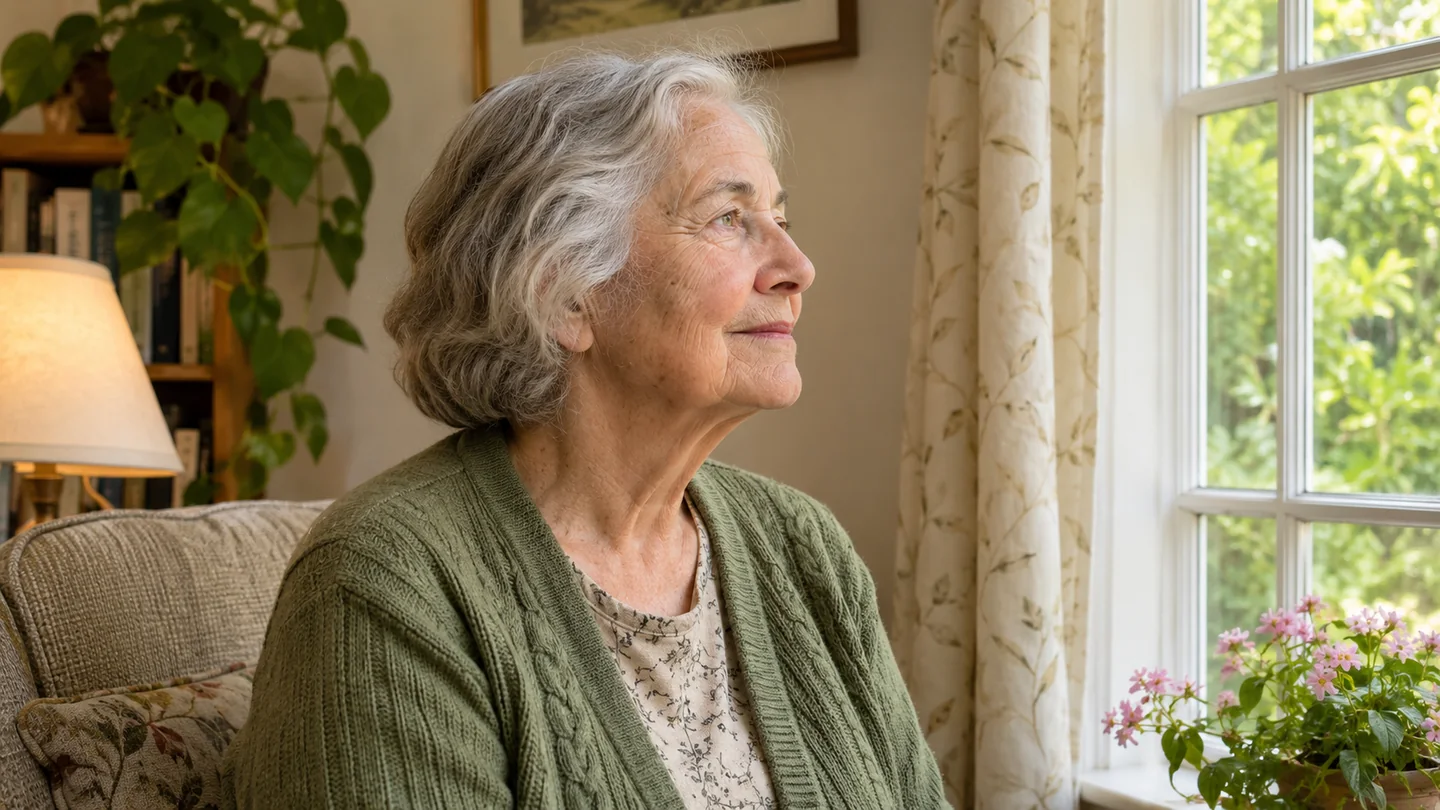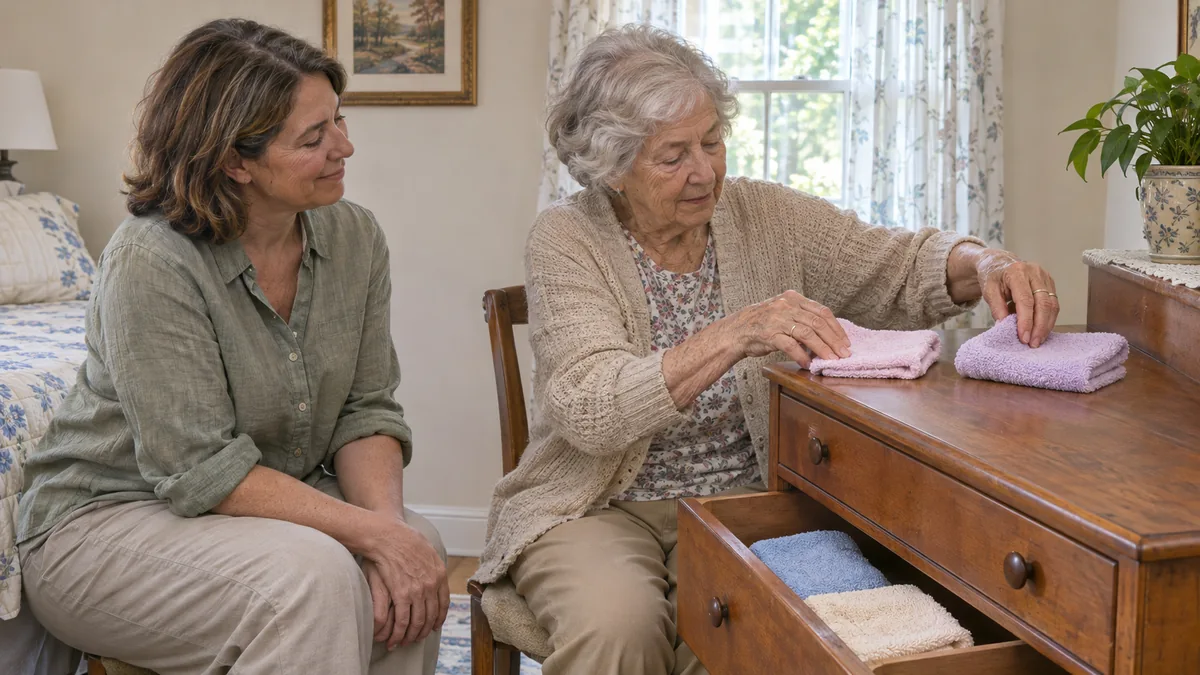
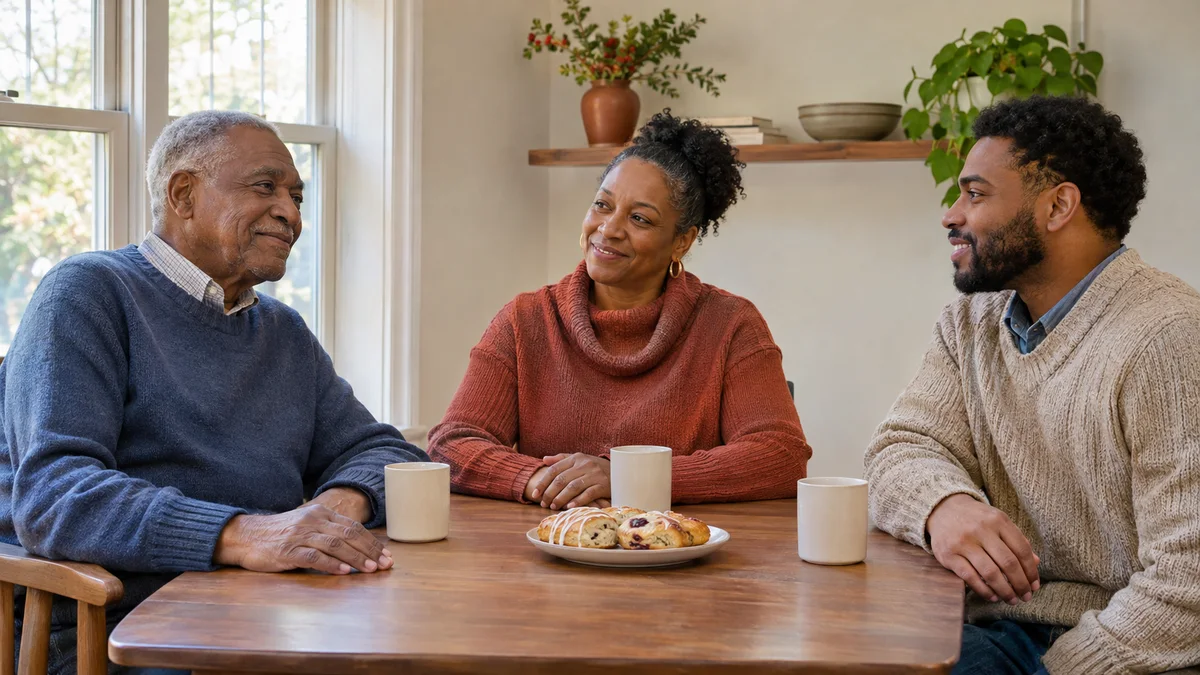
You may be looking forward to seeing family and quietly worrying about how your loved one will manage the day. A gathering you once enjoyed without much planning can now mean thinking ahead about noise, travel, and how much energy you both have.
A dementia-friendly holiday gathering can make room for those concerns while keeping time together meaningful. Whether you celebrate a religious holiday, a cultural tradition, or a meal with friends, start with what your loved one living with dementia enjoys. You can build the day around that, one manageable choice at a time.
Start with what your loved one enjoys
Ask what they would like to do and who they would like to see. Offer choices in a way that feels comfortable, perhaps by showing two familiar photos or asking about one activity at a time. Leave room for them to change their mind on the day.
Your loved one may still enjoy the familiar bustle, or a quieter visit may feel better now. The Alzheimer’s Association encourages you to speak directly with them, allow time for a response, and avoid assumptions about what they can communicate. Communication guidance from the Alzheimer’s Association.
Choose a time that fits their usual day
Think about when your loved one usually feels most comfortable and engaged. If evenings are tiring, an earlier meal may be easier. Let their usual day guide you rather than feeling tied to the time your family has always gathered.
Keep familiar meals, rest, and care arrangements in mind. Choose a manageable visit and leave the rest of the day less crowded. The Alzheimer’s Association’s daily-care guidance supports planning around individual preferences and abilities while allowing flexibility. Planning a flexible daily routine.
For your family, that might mean inviting two relatives for lunch instead of joining a long evening celebration. Talk it through together and choose what feels workable for you both.
Help guests know how to connect
A little preparation can help family and friends arrive feeling more comfortable, too. Involve your loved one, as they are able and comfortable, in deciding what others need to know. Share useful suggestions while respecting their privacy.
Ask guests to introduce themselves warmly, speak directly with your loved one, and give them time to answer. Instead of testing their memory, offer something to enjoy together: “I brought a picture of our old garden” rather than “Do you remember where this was?”
If several conversations become difficult to follow, try one conversation at a time. A familiar language or a shared activity may make connecting easier. Communication guidance from the Alzheimer’s Association.
Make a quieter place available
Before guests arrive, find a comfortable spot where your loved one can take a break. A familiar chair in another room may be enough, with someone they trust available if wanted or needed. You might gently offer, “Would you like to sit somewhere quieter with me?”
Keep walking routes clear and the bathroom easy to reach. Reduce competing sound if it becomes distracting, and choose decorations with your loved one’s comfort and safety in mind. NIA’s holiday guidance recommends a quiet resting space and avoiding clutter in walkways. Holiday hints from the National Institute on Aging.
Keep a meaningful part of the celebration
Think about a tradition your loved one has always enjoyed, then ask what appeals to them now. It might be a favorite song, a blessing, arranging flowers, or a familiar dish that fits their current dietary guidance. Offer help where needed, and let watching or declining be welcome choices.
NIA recommends adapting activities to your loved one’s abilities and interests, including familiar spiritual or holiday traditions. NIA’s guide to adapting activities. You can keep a treasured part of the day without asking either of you to manage everything.
Share the work and leave room to head home
You deserve some time to enjoy the gathering, too. Ask willing helpers to bring the meal, handle dishes, or arrange transport. If someone else will care for your loved one, review current instructions together. Our dementia care handoff guide can help you prepare.
Before leaving home, decide who can accompany your loved one if they want to go, and how you will get back. Try to arrange a ride that can leave when you need it.
If they seem uncomfortable or ask to stop, offer a pause or an earlier departure. Agreeing ahead of time that leaving early is okay can take some pressure off you. For help explaining your own limits, see our guide to saying no as a care partner.
Your quick gathering checklist
- Ask what your loved one wants and leave room to change their mind.
- Choose a suitable time and a flexible finish.
- Give guests a few respectful communication tips.
- Check the quiet space, bathroom, and walking routes.
- Offer one meaningful activity without pressure.
- Confirm helpers, care arrangements, and transport home.
Afterward, give yourself a little breathing room before thinking about what you would change. Notice what your loved one seemed to enjoy and what felt manageable for you. A smaller visit, another day, or a celebration at home may suit you both next time. It is okay for your family’s traditions to change as your needs change.
This article offers general planning ideas, not medical advice. Follow your loved one’s current care plan and ask their healthcare team about individual health or safety concerns.