Ever caught yourself wondering if that little forgetfulness is something more?
Ever found yourself asking, “Is this the first sign of dementia?”
You’re not alone.
Many folks worry when they notice changes in daily memory or mood.
It might feel like trying to find the right word in a conversation, and you’re left with a knot in your stomach.
In this article, we chat about dementia early symptom recognition tips, sharing practical hints, personal stories, and straight-up facts to help you spot early signs and keep your mind at ease.
What Is Dementia and Why Should We Care?
Dementia is more than just forgetfulness.
It’s a term that covers a range of symptoms affecting memory, thinking, and social abilities.
This can make everyday conversations feel like a roller coaster.
When we talk about dementia, we’re discussing many types of dementia, from vascular dementia to frontotemporal dementia and Lewy body dementia.
Each type of dementia can show up differently, making it tricky to diagnose dementia early.
Even though people with dementia may show similar patterns, no two journeys are exactly alike.
What Exactly Is Dementia?
Dementia is a decline in mental ability severe enough to interfere with daily life.
It isn’t a normal part of aging but does affect many people living with cognitive issues.
The symptoms of dementia can creep in slowly, making it hard to spot the early stage signs.
You might be thinking, “But what are the signs and symptoms?”
A neurologist can help diagnose dementia when the signs are unclear.
Different Types of Dementia: More Than One Flavor
Let’s break it down:
- Vascular dementia: Often linked to issues with blood flow to the brain.
- Frontotemporal dementia: Impacts personality and behavior first.
- Lewy body dementia: Marked by visual hallucinations and movement difficulties; sometimes shortened to lewy.
- Mixed dementia: A blend of two or more different types.
Each type of dementia comes with its own set of symptoms of dementia.
Some common early symptoms include memory loss and trouble understanding complex tasks.
If you or someone you know begins to experience changes in judgment, it might be time to check in with a neurologist.
To learn more about the different types of dementia, click here.
Early Signs of Dementia: Spotting the Red Flags
Recognizing early signs of dementia is like being a detective on a mission.
There’s no magic cure, but early diagnosis is important.
Catching these early symptoms can help identify when it’s time to seek professional advice.
You might ask, “What are the warning signs of dementia?”
Let’s unpack them.
10 Early Signs and Symptoms You Should Spot
Here’s a neat table to highlight some 10 warning signs:
| Warning Sign | What It Might Mean |
|---|---|
| Repeated forgetfulness | Could be a common early symptom of dementia |
| Difficulty with familiar tasks | Might indicate mild cognitive impairment |
| Struggling with language | Look out for trouble understanding or finding the right word |
| Changes in mood or personality | Sometimes linked to dementia may experience changes |
| Poor judgment | Can be an early stage indicator |
| Disorientation in familiar places | A sign of dementia that often goes unnoticed |
| Misplacing items frequently | Memory loss often plays a big role |
| Trouble planning or organizing | Early diagnosis allows for timely interventions |
| Withdrawal from social activities | Can affect daily living and quality of life |
| Repeating questions or stories | A typical sign of dementia affecting communication |
Breaking Down the Warning Signs
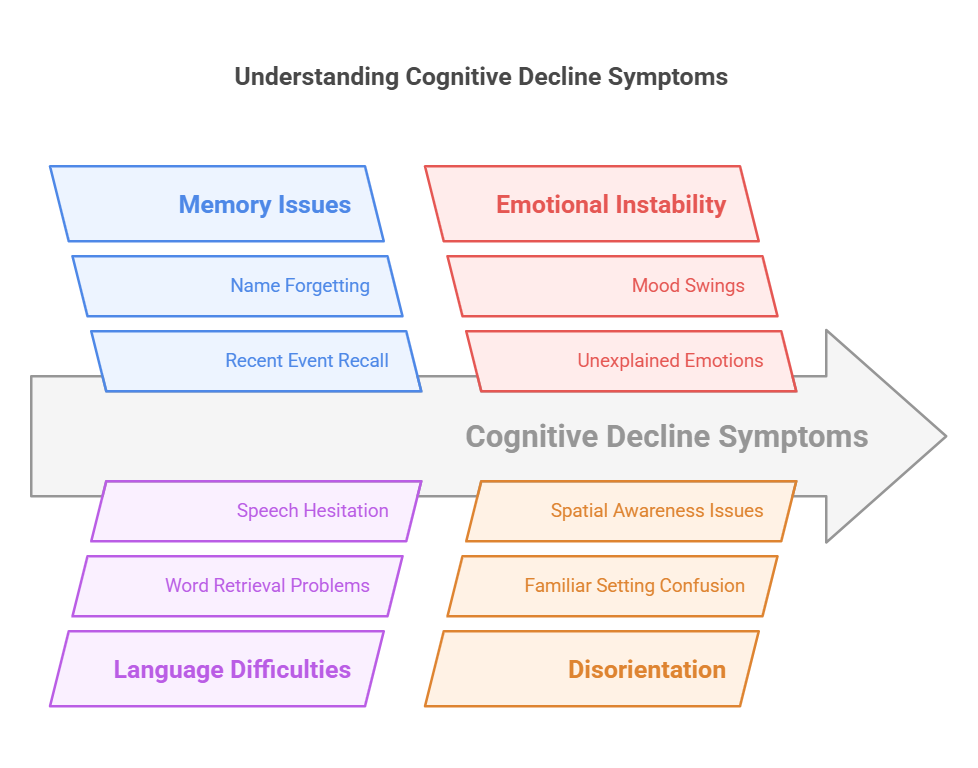
- Memory loss: Not just forgetting names, but a consistent struggle to recall recent events.
- Language struggles: Sometimes you may find it hard to find the right word.
- Mood shifts: Rapid or unexplained mood swings can be unsettling.
- Disorientation: Even in familiar settings, you might feel lost.
These early symptoms of dementia might be subtle at first, but they can gradually grow more noticeable.
If you spot one or two warning signs, it’s worth talking to a professional.
Diagnosis and the Importance of Early Action
Early diagnosis isn’t about causing alarm—it’s about planning for the future.
It gives people with dementia and their caregivers time to adapt and set up strategies to help.
When you decide to diagnose dementia, you’re taking control of the narrative.
The Road to Diagnosis
When you notice a sign of dementia, the next step is often a visit to a neurologist.
A neurologist may help you diagnose dementia by checking your memory, behavior, and thinking skills.
The diagnosis of dementia can be complex, requiring various tests and assessments.
Remember, early diagnosis allows for early treatment options that might slow the progression of Alzheimer’s disease.
Testing and Evaluations: What to Expect
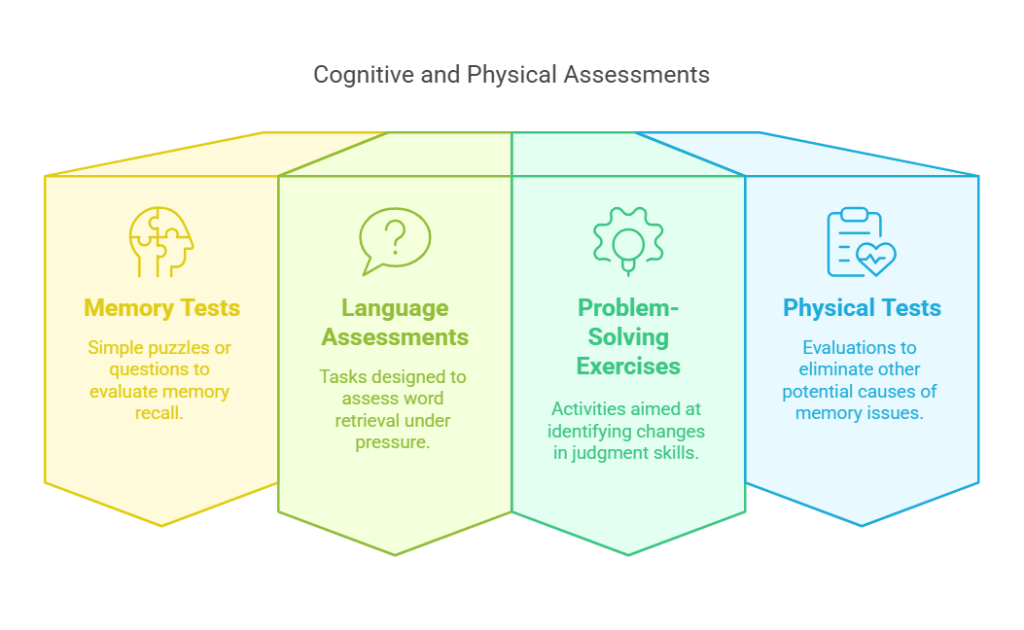
Here’s a simple checklist of what you might face when getting evaluated:
- Memory tests: Simple puzzles or questions to see how well you remember recent events.
- Language assessments: Tasks to find the right word under pressure.
- Problem-solving exercises: To spot changes in judgment.
- Physical tests: To rule out other causes of memory loss.
These strategies to help pinpoint the diagnosis of dementia are often backed up by clinical trials and dementia research.
They serve as stepping stones toward early treatment and effective management.
Understanding Mild Cognitive Impairment
Mild cognitive impairment is a state where symptoms aren’t severe enough to be classified as full-blown dementia.
It can be a transitional phase, meaning that people living with this condition may experience changes in judgment and cognitive abilities.
Recognizing mild cognitive impairment early gives caregivers and neurologists the chance to monitor the progression of dementia.
Managing Daily Living: Life with Dementia
Living with dementia can be a twisty path, but there are ways to make everyday tasks a bit easier.
Whether you’re one with dementia or you care for someone with dementia, practical tips can lighten the load.
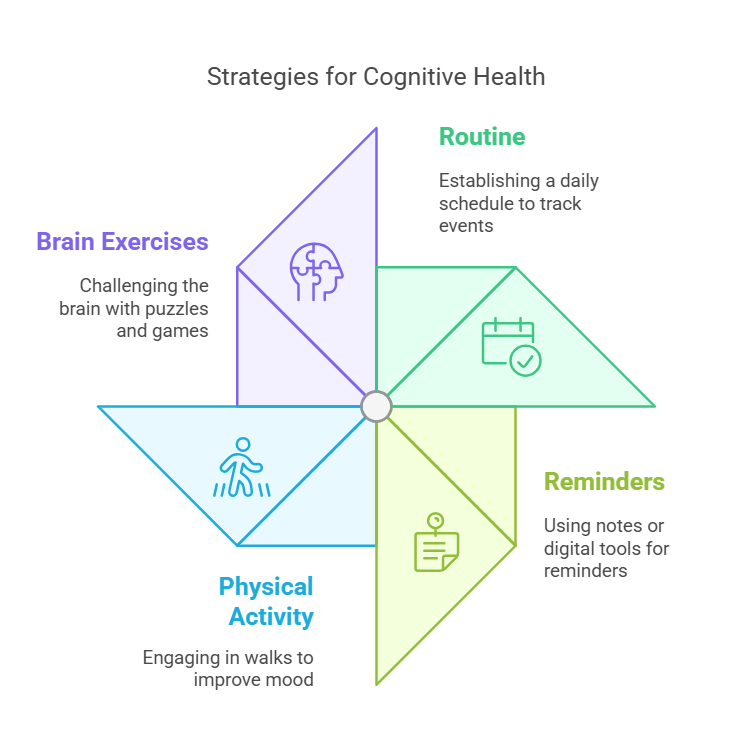
Simple Strategies to Boost Daily Living with Dementia
- Routine is your friend: Stick to a daily schedule to keep track of important dates or events.
- Keep notes handy: Use sticky notes or a digital calendar to jot down reminders.
- Stay active: Even a short walk can clear the mind and boost mood.
- Engage in brain exercises: Crossword puzzles, reading, or memory games can be a fun way to challenge the brain.
These strategies to help manage daily living have been proven to support those with dementia.
A Helpful Table for Daily Living Tips
| Tip | Benefit | Actionable Step |
|---|---|---|
| Establish a routine | Reduces stress and confusion | Plan meals, exercise, and rest at set times |
| Use reminders | Boosts memory retention | Stick notes on the fridge or use phone alerts |
| Brain exercises | Keeps the mind active | Solve puzzles or learn a new skill daily |
| Social interaction | Improves mood and cognitive function | Join a community group or chat with family |
Balancing Humor with Heart
Life with dementia often feels like trying to balance on a tightrope.
Humor can be a lifeline when things get overwhelming.
Picture this: a forgetful moment turning into a giggle with a friend over a misplaced set of keys.
It’s a reminder that while dementia affects many aspects of daily living, a smile and a laugh can go a long way.
Tips for Family or Friends: Being There for Each Other
Family or friends play a vital role in the journey of dementia.
If you’re the one supporting someone affected by dementia, here are some thoughts to keep in mind.
How to Lend a Hand
- Listen: Sometimes, simply lending an ear can ease worries.
- Stay patient: Understand that memory loss and trouble understanding are part of the daily challenges.
- Keep conversations light: Humor and empathy can turn a tough day around.
- Offer help with organization: Help set up routines, jot down notes, or plan for the future.
Being a support system means sometimes guiding someone through a maze where the exits aren’t obvious.
When family or friends rally around, it not only supports those with dementia but also reinforces bonds.
A Quick List for Caregivers
- Check in regularly: A call or visit goes a long way.
- Research local support groups: These can be available in the uk or other areas.
- Encourage independence: Small tasks build confidence.
- Keep an eye on warning signs: Spot any changes early to adjust care.
Tackling the Tough Topics: Research and Clinical Trials
The journey with dementia is an evolving one, and ongoing research offers hope.
Dementia research continues to uncover ways to diagnose dementia and manage early symptoms.
Clinical trials bring new light to early treatment options and strategies to help slow the progression of Alzheimer’s disease.
Exploring these studies can empower you or your loved ones to make informed choices when living with dementia.
What Clinical Trials Bring to the Table
- Innovative therapies: New treatments that might slow the progression of Alzheimer’s.
- Early detection tools: Helping to diagnose dementia earlier.
- Improved understanding: From mixed dementia to early-onset Alzheimer’s, clinical trials can offer insights.
Keeping up with clinical trials is one way to stay ahead and be part of a community that seeks to help identify dementia early.
Quick Facts on Dementia Research
- Studies are ongoing: Every new trial helps piece together the puzzle of dementia.
- Community participation is key: Clinical trials often need volunteers to spot early signs and test treatments.
- Better tools on the horizon: Research is paving the way for advanced screening methods.
Addressing the Complexities: When It Comes to Alzheimer’s
Dementia and Alzheimer’s are often talked about in the same breath.
While not all dementia is Alzheimer’s, the two are closely linked.
You might hear about early Alzheimer’s disease or even early-onset Alzheimer’s.
Understanding the nuances between Alzheimer’s and dementia can be challenging, but every bit of knowledge helps.
What to Know About Alzheimer’s
- Alzheimer’s disease is a common type of dementia that affects memory, thinking, and behavior.
- Alzheimer’s and dementia often overlap, making it hard to separate the two without a proper evaluation.
- Signs of Alzheimer’s disease may include memory loss, trouble solving problems, and changes in behavior.
- Getting diagnosed with dementia when there are signs of Alzheimer’s disease is a crucial step.
The progression of Alzheimer’s disease can be unpredictable, which is why early diagnosis is important.
Living with Alzheimer’s or dementia can be a tough road, but understanding these conditions can help slow the progression of Alzheimer’s.
Navigating the Emotional Roller Coaster
Dementia often affects more than just the brain.
It touches emotions, relationships, and day-to-day joy.
It can feel like you’re trying to keep your head above water during a storm.
The experience of dementia is personal and unique to each individual.
It’s important to know that you’re not in this alone, and many people with dementia may share similar challenges.
Coping With Emotional Ups and Downs
- Talk about your feelings: Sharing your worries with family or friends can make a big difference.
- Seek out support groups: Connect with people living with dementia who understand what you’re going through.
- Keep humor in your toolkit: A well-timed laugh can brighten a heavy day.
- Stay engaged: Whether it’s a hobby or a simple walk, find moments that make you smile.
This down-to-earth chat about the emotional side of dementia is backed by personal stories from those who have been there.
Wrapping It All Up: Empowering You to Take Charge
Finding clarity in a maze of symptoms can be tricky.
That’s why these dementia early symptom recognition tips are here to serve as a guide.
From knowing the different types of dementia to spotting the early signs, every step counts.
Remember, if you notice a sign of dementia that worries you, reaching out to a neurologist might help diagnose dementia early.
Early diagnosis is important—it opens up avenues for early treatment and allows those with dementia to manage daily living more effectively.
Final Thoughts on Staying Informed
- Keep a watchful eye: Spot changes in memory and mood as early signs and symptoms.
- Keep conversations open: Talking to family or friends can provide both support and early detection.
- Stay proactive: Look into clinical trials and research updates to find new ways to help manage symptoms.
- Learn continuously: The more you know about different types of dementia, like vascular dementia or frontotemporal dementia, the better you can support yourself or a loved one.
Every bit of information helps put the pieces together when dealing with dementia.
From the initial moments of memory loss to the ongoing challenges of living with dementia, every step in the process is valuable.
Looking Ahead: Making a Difference
Knowing the causes of dementia and the common cause of dementia in older adults can help you spot the red flags early.
It might be a bit like trying to solve a puzzle where some pieces are missing.
Still, every little tip you gather helps build a clearer picture.
When you get dementia, or if you’re affected by dementia, a timely diagnosis of dementia and the right support systems can improve the quality of daily living.
A Few More Practical Pointers
- Set reminders for important dates or events: This can help maintain a sense of structure.
- Consider using memory aids: Whether it’s a smart phone app or a traditional diary, find what works best.
- Engage in physical activities: Even light exercise can help keep the brain active.
- Stay connected socially: Loneliness can exacerbate symptoms, so keep in touch with family or friends.
A Call to Action for Everyone
Dementia often puts people with dementia in challenging situations, but it doesn’t have to be a life sentence of gloom.
When you learn to diagnose dementia early and understand the early stages of dementia, you create an opportunity to slow the progression of Alzheimer’s disease and improve daily living.
Remember, each step you take—whether it’s spotting a warning sign or supporting a loved one—adds up to a brighter tomorrow.
More Ways to Empower Yourself
- Stay updated on clinical trials: Sometimes, participation in clinical trials can be a lifeline.
- Join community discussions: Talking with others about early symptoms can bring new insights.
- Be vocal about your concerns: Whether to a neurologist or in a support group, sharing your worries helps in getting the right treatment.
Wrapping Up with Heart and Humor
Navigating dementia is like walking a winding path—you might trip sometimes, but every step builds your story.
It’s a reminder that no matter how many signs and symptoms of dementia you notice, there’s always a way to plan for the future with support and care.
Even when the journey gets bumpy, a little humor, a caring heart, and trusted advice can make all the difference.
So, whether you’re facing memory loss or a rough day of mixed dementia challenges, remember that every tip counts.
Here’s a final checklist of what we covered:
- Understand dementia: From its various forms like vascular dementia, frontotemporal dementia, and Lewy body dementia.
- Spot early signs: Keep an eye out for common early symptoms, such as memory loss and trouble understanding.
- Seek an early diagnosis: Talk to a neurologist if you notice any warning signs.
- Use practical tips for daily living: Routines, reminders, and social interactions can help.
- Support caregivers and family: Their role is key in helping someone living with dementia.
- Follow ongoing research: Clinical trials and dementia research are paving the way for better treatments.
- Learn about related conditions: Alzheimer’s and dementia often go hand in hand, so understanding both is useful.
Every piece of advice in these dementia early symptom recognition tips is meant to empower you, make you smile, and remind you that you’re not walking this road alone.