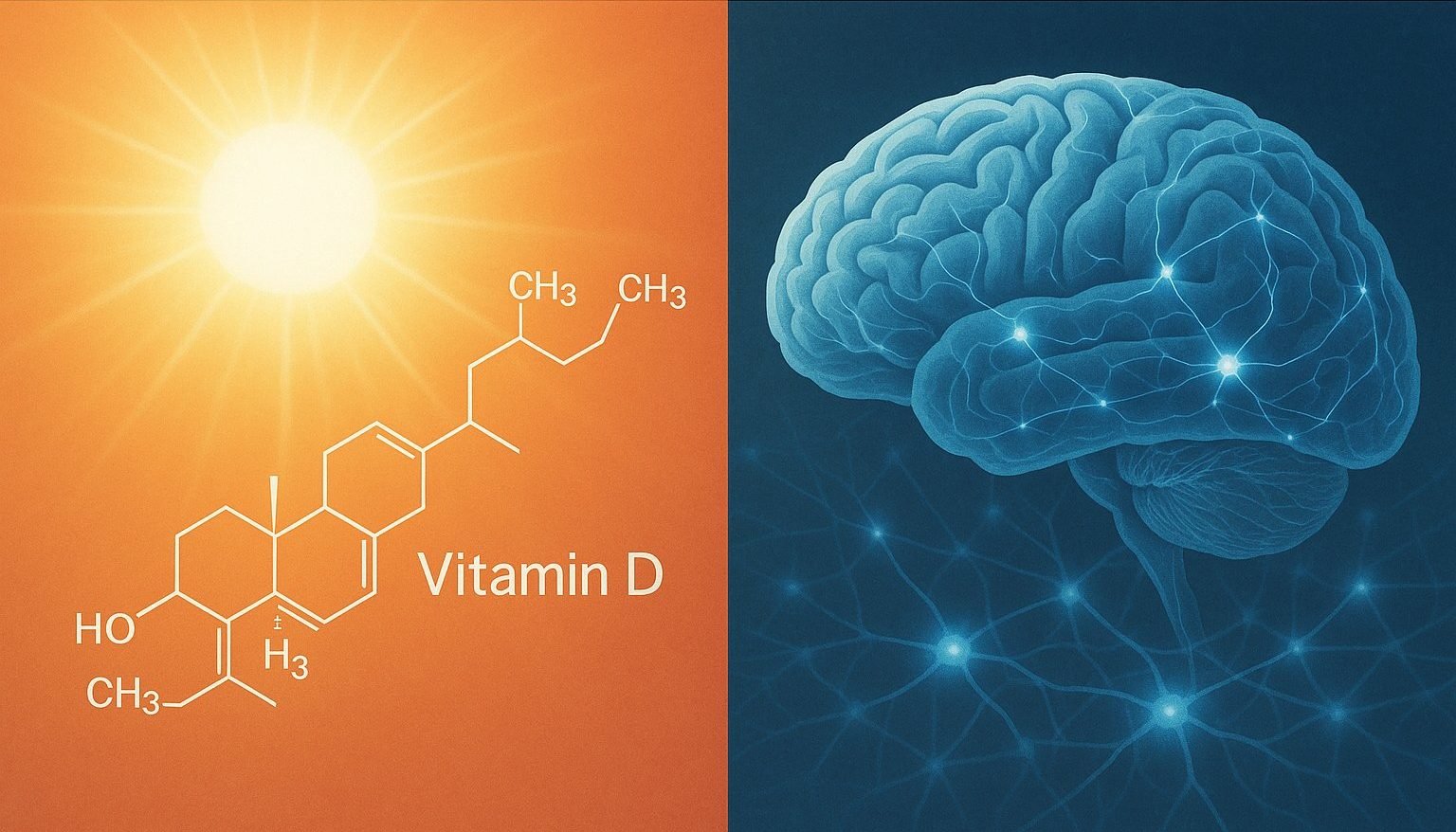
Are you getting enough vitamin D to protect your brain?
This question has become increasingly important as researchers uncover alarming connections between vitamin D deficiency and dementia risk.
If you’re concerned about cognitive decline, memory problems, or simply want to protect your brain health as you age, understanding this relationship could be crucial for your future wellbeing.
Recent groundbreaking studies have revealed that people with low vitamin D levels face significantly higher risks of developing dementia and Alzheimer’s disease.
But what does this mean for you, and more importantly, what can you do about it?
The Science Behind Vitamin D and Brain Health
Vitamin D, often called the “sunshine vitamin,” plays a far more complex role in brain health than previously understood. This fat-soluble vitamin doesn’t just support bone health—it acts as a powerful neuroprotective agent throughout your brain and nervous system.
Vitamin D receptors are found throughout the brain, particularly in areas crucial for memory formation like the hippocampus and dentate gyrus [1].
These receptors allow vitamin D to directly influence brain cell function, making adequate levels essential for optimal cognitive performance.
The active form of vitamin D, known as 1,25-dihydroxyvitamin D3, regulates the expression of important brain chemicals called neurotrophins.
These include nerve growth factor, neurotrophin 3, and glial-derived neurotrophic factor—all critical for the survival, development, and proper function of brain cells [1].
Groundbreaking Research Findings
The Cardiovascular Health Study
One of the most significant studies examining this connection followed 1,658 elderly adults for an average of 5.6 years. The results were striking:
- Severe vitamin D deficiency (less than 25 nmol/L): 2.25 times higher risk of developing all-cause dementia
- Moderate deficiency (25-50 nmol/L): 1.53 times higher risk of dementia
- Alzheimer’s disease specifically: Severe deficiency increased risk by 2.22 times [1]
The UK Biobank Study
A massive 2022 study published in The American Journal of Clinical Nutrition analyzed over 294,000 people in the United Kingdom over 11 years. The findings confirmed the earlier research:
- People with low vitamin D levels had a 54% greater chance of developing dementia compared to those with normal levels
- The study also found increased stroke risk associated with vitamin D deficiency [2]
How Vitamin D Protects Your Brain
Understanding the mechanisms behind vitamin D’s brain-protective effects helps explain why deficiency can be so dangerous:
Amyloid Plaque Clearance
Vitamin D stimulates immune cells called macrophages, which help clear amyloid plaques—the protein clumps that are a hallmark of Alzheimer’s disease. When vitamin D levels are adequate, these cleanup cells work more efficiently to remove these harmful deposits from the brain [1].
Reduced Inflammation
Chronic brain inflammation contributes to cognitive decline and dementia. Vitamin D helps reduce this inflammation and protects brain cells from damage caused by inflammatory processes [1].
Vascular Protection
Vitamin D deficiency is linked to increased stroke risk and cerebrovascular problems. The vitamin helps maintain healthy blood vessels in the brain, ensuring adequate blood flow and oxygen delivery to brain tissue [1].
Neuroprotection
Research shows that vitamin D reduces the toxic effects of amyloid proteins on brain cells and helps prevent programmed cell death (apoptosis) in neurons [1].
Recognizing Vitamin D Deficiency
Many people with vitamin D deficiency don’t realize they have it because symptoms can be subtle or attributed to other causes. Common signs include:
- Persistent fatigue that doesn’t improve with rest
- Bone pain and muscle weakness
- Muscle aches and cramps
- Mood changes, including depression and anxiety
- Frequent illnesses due to weakened immune function
- Hair loss and poor sleep quality
Understanding Vitamin D Levels
Healthcare professionals use blood tests to measure 25-hydroxyvitamin D [25(OH)D] levels. Here’s how to interpret the results:
| Blood Level | Status | Health Implications |
|---|---|---|
| Less than 30 nmol/L (12 ng/mL) | Deficient | High risk of bone disease and potentially increased dementia risk |
| 30-50 nmol/L (12-20 ng/mL) | Inadequate | Insufficient for optimal bone and brain health |
| 50+ nmol/L (20+ ng/mL) | Adequate | Sufficient for most people’s health needs |
| Over 125 nmol/L (50+ ng/mL) | Potentially excessive | May cause adverse effects |
The research suggests that maintaining levels above 50 nmol/L may help protect against dementia risk [1].
Getting Enough Vitamin D
Sunlight Exposure
Your skin produces vitamin D when exposed to UVB radiation from sunlight. However, several factors affect this process:
- Season and latitude: Less vitamin D production in winter and northern climates
- Time of day: Midday sun (10 AM to 2 PM) is most effective
- Skin color: Darker skin requires longer exposure times
- Age: Older adults produce less vitamin D from sun exposure
Generally, 10-15 minutes of midday sun exposure several times per week can help maintain adequate levels, though this varies by individual factors.
Food Sources
While few foods naturally contain vitamin D, some excellent sources include:
Natural Sources:
- Fatty fish: Salmon, mackerel, sardines, and tuna
- Fish liver oils: Cod liver oil is particularly rich
- Egg yolks: Especially from pasture-raised chickens
- Beef liver: A modest source
Fortified Foods:
- Milk and dairy products: Most milk is fortified with vitamin D
- Breakfast cereals: Many are fortified
- Plant-based milk alternatives: Soy, almond, and oat milk
- Mushrooms: Some varieties treated with UV light
Supplements
For many people, especially those with limited sun exposure or dietary restrictions, vitamin D supplements may be necessary. The recommended daily amounts are:
- Adults 19-70 years: 600 IU (15 mcg)
- Adults over 70: 800 IU (20 mcg)
- Infants: 400 IU (10 mcg)
However, some experts suggest higher doses may be beneficial for brain health, though you should consult with a healthcare provider before taking high-dose supplements.
Who’s at Higher Risk?
Certain groups are more likely to develop vitamin D deficiency:
- Older adults: Reduced skin synthesis and often limited sun exposure
- People with dark skin: Melanin reduces vitamin D production
- Those with limited sun exposure: Indoor workers, people in northern climates
- Individuals with dietary restrictions: Vegans, those with milk allergies
- People with absorption disorders: Celiac disease, Crohn’s disease
- Individuals with kidney or liver disease: Impaired vitamin D metabolism
The Bottom Line
The growing body of research strongly suggests that vitamin D deficiency may significantly increase your risk of developing dementia and Alzheimer’s disease. While we can’t yet definitively prove that vitamin D supplementation prevents cognitive decline, maintaining adequate levels appears to be a simple, low-risk strategy that may help protect your brain health.
The evidence is compelling enough that many healthcare experts now recommend regular vitamin D testing, especially for older adults and those at higher risk of deficiency. Given that vitamin D deficiency is easily correctable through sun exposure, diet, and supplements, ensuring adequate levels could be one of the most straightforward steps you can take for long-term brain health.
If you’re concerned about your vitamin D status or dementia risk, speak with your healthcare provider about testing your levels and developing an appropriate supplementation strategy. Your future cognitive health may depend on the actions you take today.
References:
[1] Littlejohns, T. J., et al. (2014). Vitamin D and the risk of dementia and Alzheimer disease. Neurology, 83(10), 920-928. https://pmc.ncbi.nlm.nih.gov/articles/PMC4153851/
[2] Salamon, M. (2022). Low vitamin D levels may increase odds of dementia. Harvard Health Publishing. https://www.health.harvard.edu/mind-and-mood/low-vitamin-d-levels-may-increase-odds-of-dementia