
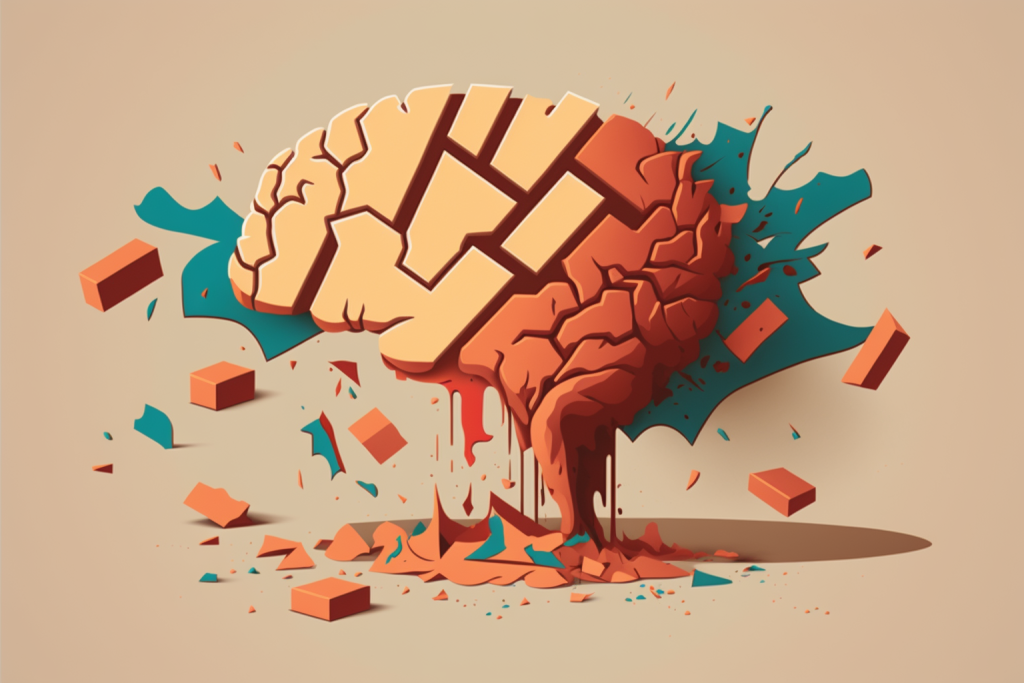
Life’s a journey, and for many, it’s one that involves unexpected detours. One such detour can be dementia—a condition that affects the brain, memory, and behavior.
But what is dementia, really? Let’s unpack it together with clarity, compassion, and even a sprinkle of humor where appropriate.
After all, understanding something as complex as dementia is the first step to supporting those living with it.
Dementia Is a Term, Not a Diagnosis
To set the stage, dementia is a general term that refers to a collection of symptoms affecting memory, thinking, and social abilities. It’s not a disease itself, but rather a broad category under which various conditions fall.
You might think of it as an umbrella, and underneath, you’ll find different forms of dementia such as Alzheimer’s disease, vascular dementia, and frontotemporal dementia, among others.
What Causes Dementia?
Dementia is caused by damage to brain cells, which disrupts their ability to communicate effectively. When these cells can’t talk to each other, it affects how we think, feel, and behave.
The exact cause of dementia can vary depending on the type of dementia, but some common culprits include:
- Alzheimer’s disease: This disease is the most common cause of dementia, responsible for 60-80% of cases.
- Vascular dementia: Often caused by reduced blood flow to the brain, which could result from a stroke or other cardiovascular issues.
- Lewy body dementia: Linked to abnormal protein deposits in the brain called Lewy bodies.
- Frontotemporal dementia: Caused by damage to the frontal and temporal lobes of the brain, leading to unique behavioral and language changes.
Is Dementia a Normal Part of Aging?
Here’s a myth worth busting: dementia is not a normal part of aging.
While aging can bring a little forgetfulness—like forgetting where you put your keys—it shouldn’t affect your ability to function day-to-day.
If dementia-like symptoms start cropping up, they could signal something more serious, and it’s time to pay attention.
In rare cases, certain conditions can cause dementia-like symptoms that are reversible, like vitamin deficiencies or infections.
The Early Symptoms of Dementia
One of the earliest symptoms of dementia is memory loss. Not the “Where did I put my car keys?” kind, but rather something more significant, like forgetting the way home from a familiar place.
Other symptoms of dementia may include:
- Difficulty finding words (that “it’s on the tip of my tongue” moment becoming a regular occurrence).
- Trouble with problem-solving or planning.
- Confusion about time or place.
- Changes in mood or behavior that seem out of character.
The Different Types of Dementia
Let’s talk about the variety that falls under the dementia umbrella. These many types of dementia have unique features, even if they share similar dementia symptoms:
- Alzheimer’s disease: Known for its hallmark plaques and tangles in the brain.
- Vascular dementia: Symptoms include problems like poor judgment or planning, often linked to blood vessel issues.
- Lewy body dementia: Can cause hallucinations, sleep disturbances, and motor problems.
- Frontotemporal dementia: Changes in personality, behavior, and language are more prominent.
- Mixed dementia: When someone has two or more types of dementia, like Alzheimer’s and vascular dementia.
What Dementia May Look Like Day to Day
For those living with dementia, every day can bring new challenges. A once-meticulous planner might struggle to organize a shopping list.
People with dementia may also find it hard to control their emotions, leading to frustration or outbursts.
Humor can be a helpful tool here—like when grandma insists the cat’s been running a secret cat mafia. (Hey, at least she’s creative!)
Risk Factors: Can You Prevent Dementia?
The risk of developing dementia can be influenced by age, genetics, lifestyle, and health conditions.
While you can’t stop time or change your DNA, there are ways to reduce your dementia risk:
- Stay active: Exercise benefits the brain as much as the body.
- Eat well: A Mediterranean diet rich in veggies, fish, and healthy fats is good for your noggin.
- Keep learning: Hobbies like puzzles or learning a new skill can boost cognitive reserves.
- Manage health conditions: Addressing high blood pressure or diabetes can help prevent dementia.
Diagnosing Dementia: What to Expect
A diagnosis of dementia starts with recognizing the signs and symptoms of dementia.
If you or a loved one is showing symptoms like memory loss or behavioral changes, consulting a doctor is essential. They’ll likely conduct cognitive tests, brain imaging, and lab work to diagnose dementia and determine its type.
How Dementia Affects People
Dementia affects individuals differently. While one person might struggle with memory, another could experience language difficulties or emotional changes.
What’s universal, though, is the impact on families. Supporting people living with dementia often requires patience, creativity, and adaptability.
Humor and love can go a long way—think of it as finding sunshine on a cloudy day.
Treatments for Dementia: Is There a Cure?
While there’s currently no cure for dementia, treatments can help manage symptoms. Medications, therapy, and lifestyle changes might slow progression or improve quality of life.
For some, addressing underlying causes of dementia or conditions that cause symptoms may even reverse dementia-like symptoms.
Living with Dementia: Hope and Resilience
Every journey is unique, and for those diagnosed with dementia, life isn’t over—it’s just different.
Whether it’s adjusting routines, embracing new hobbies, or simply finding joy in small moments, there’s always hope.
Families, too, play a critical role in creating an environment where their loved ones can thrive despite challenges.
Wrapping It All Up
Understanding what dementia is helps break down the stigma and fear surrounding it.
Whether it’s Alzheimer’s and dementia, vascular dementia, or another type of dementia, knowledge is power.
By recognizing dementia symptoms, learning about the causes of dementia, and exploring ways to get the right treatment, we can support those on this journey with empathy and care.
So, the next time someone asks, “What is dementia?” you can answer with confidence and compassion. Because when we understand, we’re better equipped to help—and that makes all the difference.