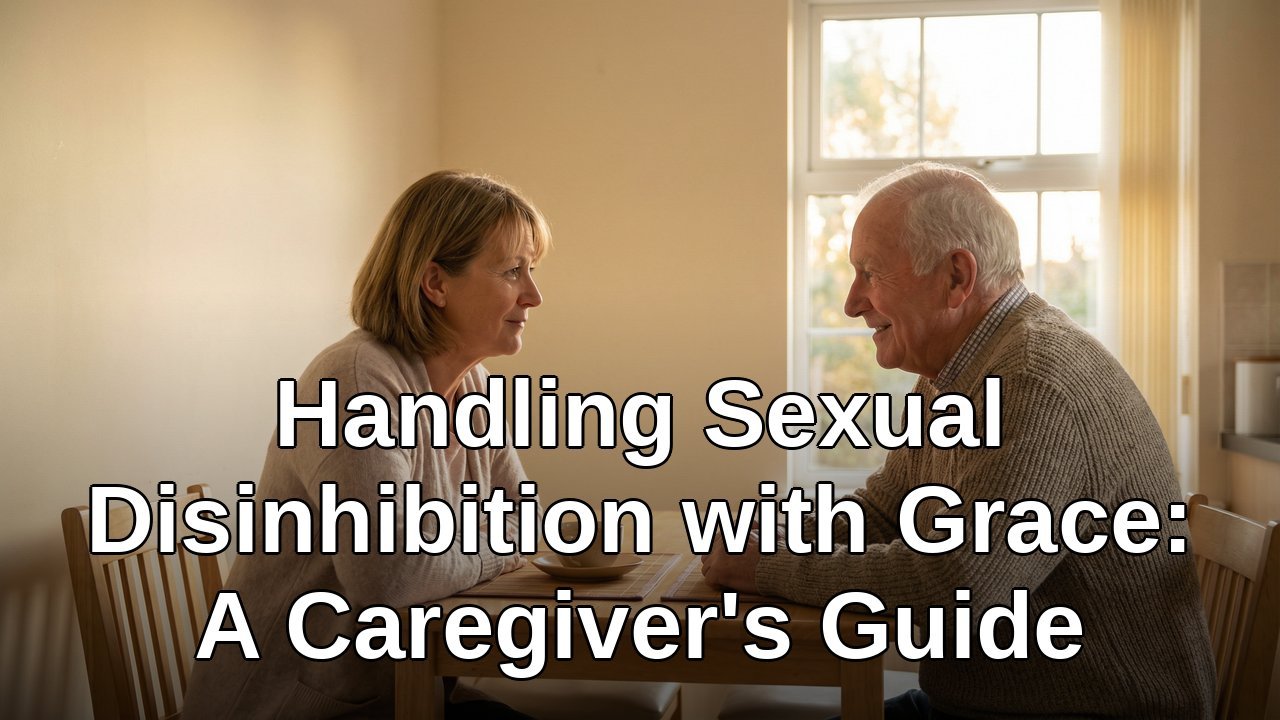
Understanding and Responding to Sexual Disinhibition in Dementia
“Why are they doing this? Is it me? How do I even begin to handle something so uncomfortable?” These are common, heartfelt questions many caregivers ask when confronted with sexual disinhibition in someone they love living with dementia. It’s a challenging behavior that can evoke a mix of shock, embarrassment, and confusion, but understanding its roots is the first step toward a compassionate response.
What is Sexual Disinhibition in Dementia?
Sexual disinhibition refers to a loss of social filters and appropriate boundaries, leading to behaviors that are overtly sexual or inappropriate in public settings. This can manifest as inappropriate touching, undressing, making sexual comments, or even propositioning others. It’s crucial to remember that these actions are not intentional or malicious.
The “Why” Behind the Behavior
The primary cause of sexual disinhibition in dementia is damage to the frontal lobe of the brain. This area is responsible for executive functions, including judgment, impulse control, and understanding social norms. As dementia progresses, this damage can lead to a diminished capacity to regulate behavior and emotions. It’s a neurological symptom, not a reflection of the person’s true character or desires. To learn more about how dementia affects the brain, you can read our article on Brain Anatomy / How Dementia Changes the Mind.
Common Behaviors and How to Respond Calmly
Recognizing the various ways sexual disinhibition can appear helps caregivers prepare and respond effectively. Common behaviors include:
- Inappropriate touching: This might involve touching oneself or others in public.
- Undressing: Removing clothes in unsuitable environments.
- Sexual comments: Making explicit remarks or propositions.
Responding calmly and without shame or punishment is paramount. The person living with dementia is not acting deliberately to offend. A harsh reaction can cause distress and confusion, potentially escalating the situation. Instead, focus on redirection and maintaining dignity.
Strategies for Redirection
Redirection is a powerful tool in managing disinhibited behaviors. The goal is to gently shift the person’s focus to another activity or topic without drawing attention to the inappropriate behavior itself. This might involve offering a favorite snack, engaging them in a simple task, or moving to a different room. For more general strategies on managing challenging behaviors, refer to Coping with Dementia Behaviors.
Protecting Dignity: For Both the Person and the Caregiver
Maintaining the dignity of the person living with dementia is central to person-centered care. This means responding with respect, understanding that their actions stem from their condition, and avoiding public shaming. Simultaneously, caregivers must protect their own dignity and emotional well-being. It’s acceptable to feel uncomfortable or embarrassed, but it’s important to process these emotions constructively.
Communicating with the Medical Team
Openly discussing sexual disinhibition with the medical team is vital. They can offer insights, suggest medication adjustments if appropriate, and provide additional support resources. This is not a topic to shy away from; it’s a legitimate aspect of dementia care that professionals are equipped to address. Early intervention can often help manage these behaviors more effectively.
Protecting Others in Care Facilities
In care facilities, protecting other residents is a significant concern. Staff are trained to manage these situations with discretion and respect for all involved. Strategies may include increased supervision, creating a safe and private environment for the person, or adjusting daily routines to minimize triggers. Communication with facility staff about any concerns is always encouraged.
Caregiver Emotional Impact and Self-Care
Experiencing sexual disinhibition can take a heavy emotional toll on caregivers. Feelings of guilt, anger, sadness, and isolation are common. It’s essential to acknowledge these feelings and seek support. Talking to trusted friends, family, or a support group can provide much-needed relief and perspective. Remember, you are not alone in this journey.
Prioritizing Your Well-being
Self-care is not selfish; it’s a necessity for sustained caregiving. This might involve taking short breaks, engaging in hobbies, or seeking professional counseling. Protecting your mental and emotional health allows you to provide the best possible care. Our article on Self-Care for Care Partners offers valuable strategies to help you prioritize your well-being.
Understanding Triggers and Prevention
While not always preventable, understanding potential triggers can help minimize instances of sexual disinhibition. These might include boredom, unmet needs, discomfort, or even certain environmental cues. Keeping a log of when and where these behaviors occur can help identify patterns. Creating a structured and engaging daily routine can also be beneficial.
| Potential Triggers | Prevention Strategies |
|---|---|
| Boredom | Engage in meaningful activities, offer simple tasks |
| Unmet needs (hunger, thirst) | Regular checks for comfort, scheduled snacks/drinks |
| Discomfort (pain, clothing) | Ensure comfort, check for pain, provide loose clothing |
| Environmental cues | Create a calm environment, minimize overstimulation |
When to Consider Therapeutic Fibbing
In some situations, using therapeutic fibbing can be a compassionate way to de-escalate a situation without causing distress or confrontation. This involves gently redirecting or agreeing with a false belief if it brings comfort and avoids agitation. For example, if someone is making inappropriate advances, a caregiver might say, “Oh, it’s almost time for our favorite show, let’s go watch it together,” rather than directly confronting the behavior. Learn more about this approach in The Ethics of Therapeutic Fibbing.
Moving Forward with Compassion
Handling sexual disinhibition requires immense patience, understanding, and a deep well of compassion. It’s a challenging aspect of dementia care, but with the right strategies and support, caregivers can navigate these moments with grace, protecting the dignity of everyone involved. Remember to lean on your support network and medical professionals, and always prioritize your own well-being. You are doing an incredible job in a difficult situation.