The Shadowing Phase: Understanding and Managing Constant Following in Dementia
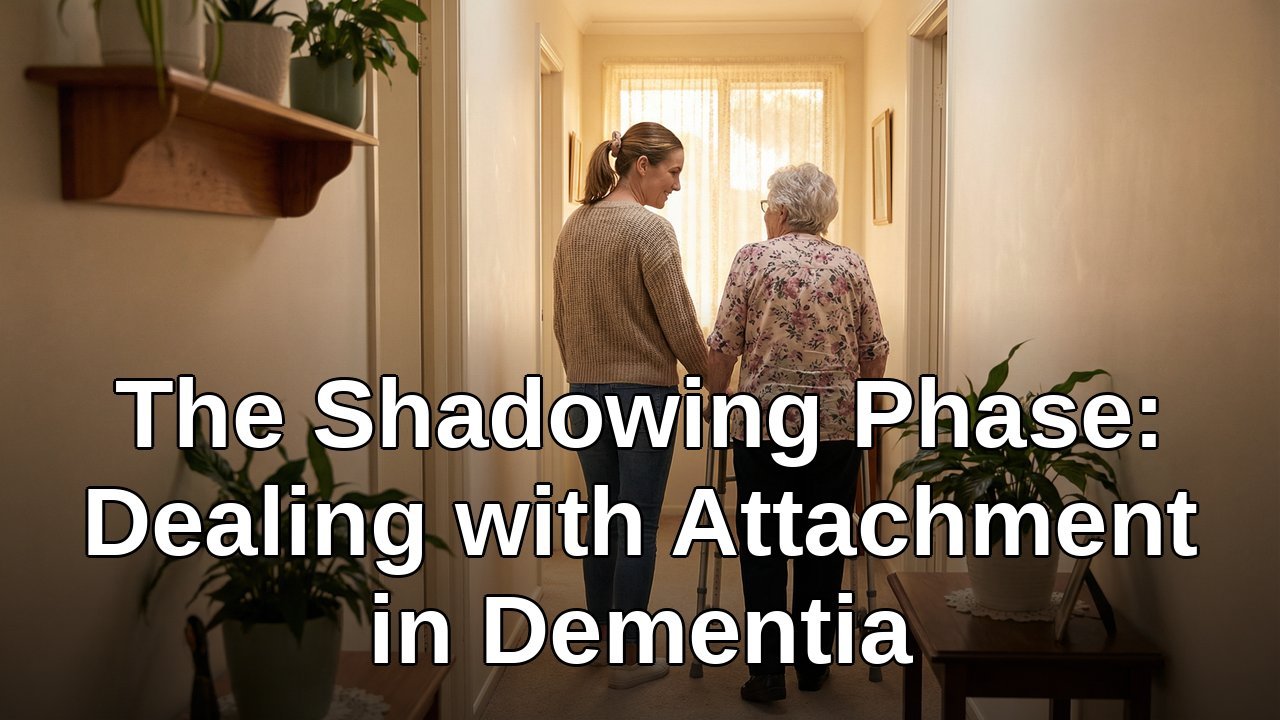
“Why do they follow me everywhere? I can’t even go to the bathroom alone!” This is a common, often whispered, question from caregivers supporting a person living with dementia. The experience of being constantly followed, sometimes called shadowing, can be emotionally draining and physically exhausting.
It’s a behavior that leaves many feeling overwhelmed, wondering if they’re doing something wrong or if their loved one will ever feel secure enough to be alone. Understanding this phase is the first step toward finding peace and effective strategies.
What is Shadowing in Dementia?
Shadowing refers to the behavior where a person living with dementia consistently follows their caregiver or another familiar person. They may mirror movements, stay within arm’s reach, or become distressed if the person leaves their sight. This isn’t just about wanting company; it’s often a deeper expression of fear and insecurity.
This behavior can manifest as literal following, or it might involve frequent calls for the caregiver when they are in another room. It creates a sense of constant surveillance and can severely limit a caregiver’s personal space and time.
Why Does Shadowing Happen?
Shadowing is rooted in the changes dementia brings to a person’s brain and perception. The primary drivers are often fear, anxiety, and a profound loss of sense of self. As memory fades and the world becomes disorienting, familiar faces become vital anchors.
Imagine feeling lost in your own home, unable to recall where you are or what you should be doing. The caregiver becomes the only reliable point of reference, a beacon in a confusing world. This intense attachment is a coping mechanism, albeit a challenging one for those providing care.
Shadowing vs. Other Dementia Behaviors
While shadowing involves constant presence, it differs from other common dementia behaviors like wandering or paranoia. Wandering often involves aimless movement or searching for something lost, while shadowing is specifically directed at maintaining proximity to a caregiver. It’s not about getting lost; it’s about not being left alone.
Similarly, while fear can fuel shadowing, it’s distinct from Dementia and Paranoia. Paranoia involves unfounded suspicions or delusions, whereas shadowing is a more direct response to feeling unsafe or abandoned. Understanding these distinctions helps in choosing appropriate responses.
The Emotional Toll on Caregivers
Living with constant shadowing can take a significant emotional and physical toll. Caregivers often report feelings of exhaustion, frustration, guilt, and even resentment. The loss of personal space and privacy can lead to burnout, impacting the caregiver’s well-being and their ability to provide compassionate care.
It’s crucial to acknowledge these feelings without judgment. This behavior is not a personal attack, but a symptom of the disease. Recognizing this can help caregivers reframe their perspective and seek support.
Practical Strategies to Reduce Shadowing
While eliminating shadowing entirely may not be possible, several strategies can help reduce its intensity and frequency. The goal is to create an environment where the person living with dementia feels secure, even when the caregiver is not in direct sight.
Creating a Sense of Security
- Comfort Objects: Provide a favorite blanket, a soft toy, or a familiar photo album. These items can offer a sense of comfort and familiarity when the caregiver needs to step away.
- Visual Anchors: Place familiar objects or photos in areas where the person might feel disoriented. A family photo on the bathroom door can reassure them that you’ll return.
- Consistent Routine: A predictable daily schedule can reduce anxiety and provide a sense of control. Knowing what to expect can lessen the need for constant reassurance.
Engaging and Distracting
- Safe Spaces: Designate a comfortable, safe area with engaging activities. This could be a chair by a window with a book or a table with a simple puzzle.
- Meaningful Activities: Involve the person in simple, purposeful tasks. Folding laundry, sorting cards, or listening to music can provide distraction and a sense of accomplishment.
- Verbal Reassurance: Briefly explain where you are going and when you will return. “I’m just going to the kitchen for a moment, I’ll be right back.” Keep it simple and calm.
Managing Expectations
- Short Absences: Start with very short absences, gradually increasing the time as comfort levels improve. This builds trust and reduces distress.
- Anticipate Needs: Try to address needs before they become urgent. Ensure they are fed, hydrated, and comfortable to minimize reasons for seeking you out.
For more general guidance on managing challenging behaviors, refer to Coping with Dementia Behaviors.
When Shadowing Peaks in Disease Progression
Shadowing often becomes more pronounced in the middle stages of dementia, as cognitive decline progresses and the person’s ability to process information and maintain independence diminishes. During these stages, memory loss is significant, and confusion is more frequent.
As the disease advances into later stages, mobility may decrease, and the behavior might lessen due to physical limitations. However, the underlying need for security and connection remains. Understanding The 7 Stages of Dementia can help caregivers anticipate and prepare for these shifts.
Strategies for Managing Shadowing
| Strategy | Description | Benefit |
|---|---|---|
| Verbal Reassurance | Calmly state your intentions and expected return time. | Reduces anxiety and builds trust. |
| Distraction | Offer a simple, engaging activity before stepping away. | Redirects focus and provides a sense of purpose. |
| Visual Cues | Use notes or familiar objects to indicate your temporary absence. | Provides a tangible reminder of your return. |
| Safe Environment | Ensure the immediate surroundings are free of hazards and offer comfort. | Fosters a feeling of security and independence. |
| Scheduled Breaks | Plan short, regular breaks for yourself, even if it means using a trusted helper. | Prevents caregiver burnout and maintains well-being. |
Caregiver Self-Care: Your Well-being Matters
The constant demands of shadowing can lead to significant caregiver stress. It’s not selfish to prioritize your own needs; it’s essential for sustainable caregiving. Setting boundaries, even small ones, is vital. This might mean finding a trusted friend or family member to sit with your loved one for an hour, or simply using a locked door for a few minutes of privacy.
Remember, you cannot pour from an empty cup. Seeking support, whether from a support group, a therapist, or simply a trusted friend, is a sign of strength. For more insights on maintaining your health, explore Self-Care for Care Partners. If repetitive questions are part of the shadowing, consider strategies from Strategies for Repetitive Questions.
Moving Forward with Compassion
Dealing with the shadowing phase requires immense patience, understanding, and a deep well of compassion. It’s a testament to the person living with dementia’s need for security and connection, even as their cognitive abilities decline. By implementing practical strategies and prioritizing your own well-being, you can navigate this challenging phase with greater ease and maintain a loving connection.
Remember, you are not alone in this journey. There are resources and communities ready to support you every step of the way.