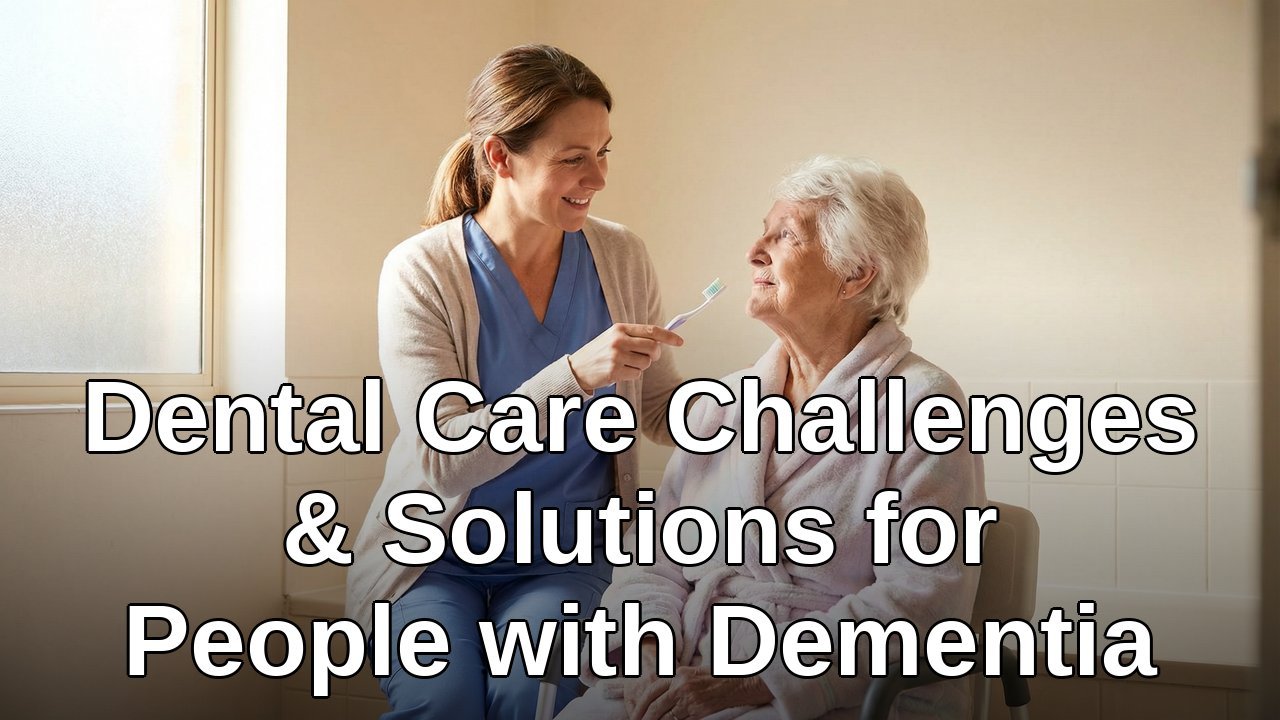
Gentle Dental Care: Solutions for People Living with Dementia
“How do I get my loved one to brush their teeth when they resist?” “Is their agitation due to something I’m missing?” These are common, heart-wrenching questions many caregivers ask when faced with the daily challenges of supporting someone living with dementia. Maintaining good oral hygiene can become incredibly difficult, yet it’s vital for overall health and comfort.
This article offers practical strategies and insights to help caregivers navigate the complexities of dental care for people living with dementia, transforming potential struggles into moments of gentle connection and effective care.
Why Oral Hygiene Declines in Dementia
As dementia progresses, many factors contribute to a decline in oral hygiene. Cognitive changes directly impact a person’s ability to perform routine tasks, including brushing and flossing.
Memory loss means they may forget the steps involved or even the purpose of dental care. Reduced dexterity and coordination also make it harder to hold a toothbrush and execute precise movements.
Cognitive Impairment
Cognitive decline affects a person’s ability to understand and follow instructions. They might not recognize the toothbrush or toothpaste, or they may become overwhelmed by the task.
This can lead to resistance or a complete inability to initiate or complete oral care independently. Patience and clear, simple cues become essential.
Behavioral Changes
Changes in behavior are often a significant barrier to effective dental care. A person living with dementia might become agitated, fearful, or even aggressive when approached for brushing.
This resistance can stem from confusion, a perceived invasion of personal space, or discomfort. Understanding these underlying causes is key to finding a gentle approach.
Risks of Poor Dental Care
Neglecting oral hygiene carries serious health risks for people living with dementia. The mouth is a gateway to the body, and poor dental health can lead to systemic problems.
These risks extend beyond simple cavities, impacting quality of life and potentially leading to more severe medical conditions.
Aspiration Pneumonia
One of the most dangerous consequences of poor oral hygiene is an increased risk of aspiration pneumonia. Bacteria from the mouth can be inhaled into the lungs, causing severe infection.
This condition is a leading cause of hospitalization and death among older adults, especially those with swallowing difficulties. Regular, thorough oral cleaning significantly reduces this risk.
Pain-Related Behavioral Changes
Undetected dental pain can manifest as unexplained behavioral changes. A person living with dementia may not be able to articulate their discomfort, leading to increased agitation or withdrawal.
These behaviors can often be mistaken for typical dementia symptoms, delaying necessary dental intervention. Understanding these subtle cues is crucial for effective care, similar to how caregivers learn to interpret other challenging behaviors. For more insights, consider resources on Coping with Dementia Behaviors and Dementia and Anger.
Other Health Issues
Poor oral health is linked to other systemic conditions, including heart disease and diabetes. Gum disease and infections can exacerbate existing health problems.
Maintaining good oral hygiene is therefore a critical component of holistic health management for people living with dementia. It contributes to their overall well-being and comfort.
Practical Step-by-Step Brushing Strategies
Approaching dental care with patience and a structured method can make a significant difference. The goal is to create a calm and predictable routine.
Consistency and a gentle touch are far more effective than force or hurried attempts. Remember, each person’s response will be unique.
Preparation and Approach
Choose a quiet time of day when the person is relaxed and receptive. Explain what you are doing in simple, reassuring language, even if they don’t seem to understand.
Offer choices, such as “Do you want to brush first or after breakfast?” to foster a sense of control. Ensure the environment is comfortable and well-lit.
Brushing Techniques
Stand or sit slightly behind and to the side of the person, allowing them to lean their head back gently. Use a soft-bristled toothbrush and a pea-sized amount of fluoride toothpaste.
Brush gently in small circles, focusing on one section of the mouth at a time. Encourage them to participate if they are able, guiding their hand if necessary.
Post-Brushing Care
After brushing, encourage them to spit out the toothpaste. If spitting is difficult, use a small amount of water to rinse or gently wipe their mouth with a damp cloth.
Offer positive reinforcement and praise for their cooperation. This helps build a positive association with dental care.
Adaptive Tools for Easier Dental Care
Various tools can simplify the dental care process, making it less stressful for both the person living with dementia and the caregiver. These innovations are designed to enhance comfort and effectiveness.
Selecting the right tools can significantly improve compliance and the quality of oral hygiene. Consider what might best suit your loved one’s specific needs.
Electric Toothbrushes
Electric toothbrushes can be highly effective due to their built-in timers and consistent cleaning action. Their larger handles are often easier to grip for those with limited dexterity.
Many models have pressure sensors to prevent brushing too hard, which can be beneficial. The oscillating or vibrating motion can also be less effort for the caregiver.
Foam Swabs and Mouth Rinses
For individuals who resist traditional brushing, foam swabs can be a gentle alternative for cleaning teeth and gums. They are soft and less intrusive, ideal for sensitive mouths.
Antiseptic or fluoride mouth rinses, used under professional guidance, can also help reduce bacteria and strengthen enamel. Always ensure the person can safely spit out the rinse.
| Tool Type | Benefits | Considerations |
|---|---|---|
| Soft-bristled brush | Gentle on gums, widely available | Requires manual dexterity |
| Electric toothbrush | Consistent cleaning, easier grip, timers | Can be intimidating, requires charging |
| Foam swabs | Very gentle, good for sensitive mouths | Less effective for plaque removal, temporary use |
| Fluoride rinse | Strengthens enamel, reduces bacteria | Must be able to spit, professional guidance needed |
When to Involve a Dentist
Regular dental check-ups are crucial, even when challenges arise. Establishing a relationship with a dementia-friendly dentist can provide invaluable support.
Early detection of problems can prevent pain and more complex treatments. Don’t wait for a crisis to seek professional help.
Regular Check-ups
Schedule routine dental visits every six months, or as recommended by the dentist. Inform the dental office about the person’s dementia diagnosis and any specific needs or triggers.
Consider morning appointments when the person is typically more alert and cooperative. A familiar dental team can make a big difference.
Signs of Dental Problems
Be vigilant for signs of dental issues, as the person may not communicate pain directly. Look for changes in eating habits, facial swelling, or increased irritability.
Other indicators include bleeding gums, bad breath, or reluctance to open their mouth. These signs warrant an immediate dental consultation.
Understanding Dental Pain and Behavioral Changes
It’s easy to misinterpret agitation or aggression in someone living with dementia. Often, these behaviors are a form of communication, signaling unmet needs or discomfort.
Dental pain is a common, yet frequently overlooked, cause of such changes. Recognizing this link can transform care approaches, much like understanding other daily living challenges. For parallels in simplifying routines, consider reading Dressing for Success. If medication refusal is an issue, which can sometimes be linked to pain, Medication Refusal offers helpful strategies.
When a person living with dementia suddenly becomes resistant to care, bites, or pushes away, consider dental pain as a possible cause. A thorough oral examination by a professional is essential.
Treating the underlying dental issue can often alleviate these challenging behaviors, restoring comfort and improving the person’s quality of life. It’s a powerful reminder that all behavior has meaning.
A Brighter Smile, A Calmer Day
Caring for the dental health of a person living with dementia requires patience, adaptability, and a compassionate approach. By understanding the challenges, recognizing the risks, and implementing gentle strategies, caregivers can make a profound difference.
Prioritizing oral hygiene not only prevents serious health complications but also contributes significantly to the person’s comfort and overall well-being. Remember, you are not alone in this journey; support and resources are available to help you ensure a brighter, healthier smile for your loved one.