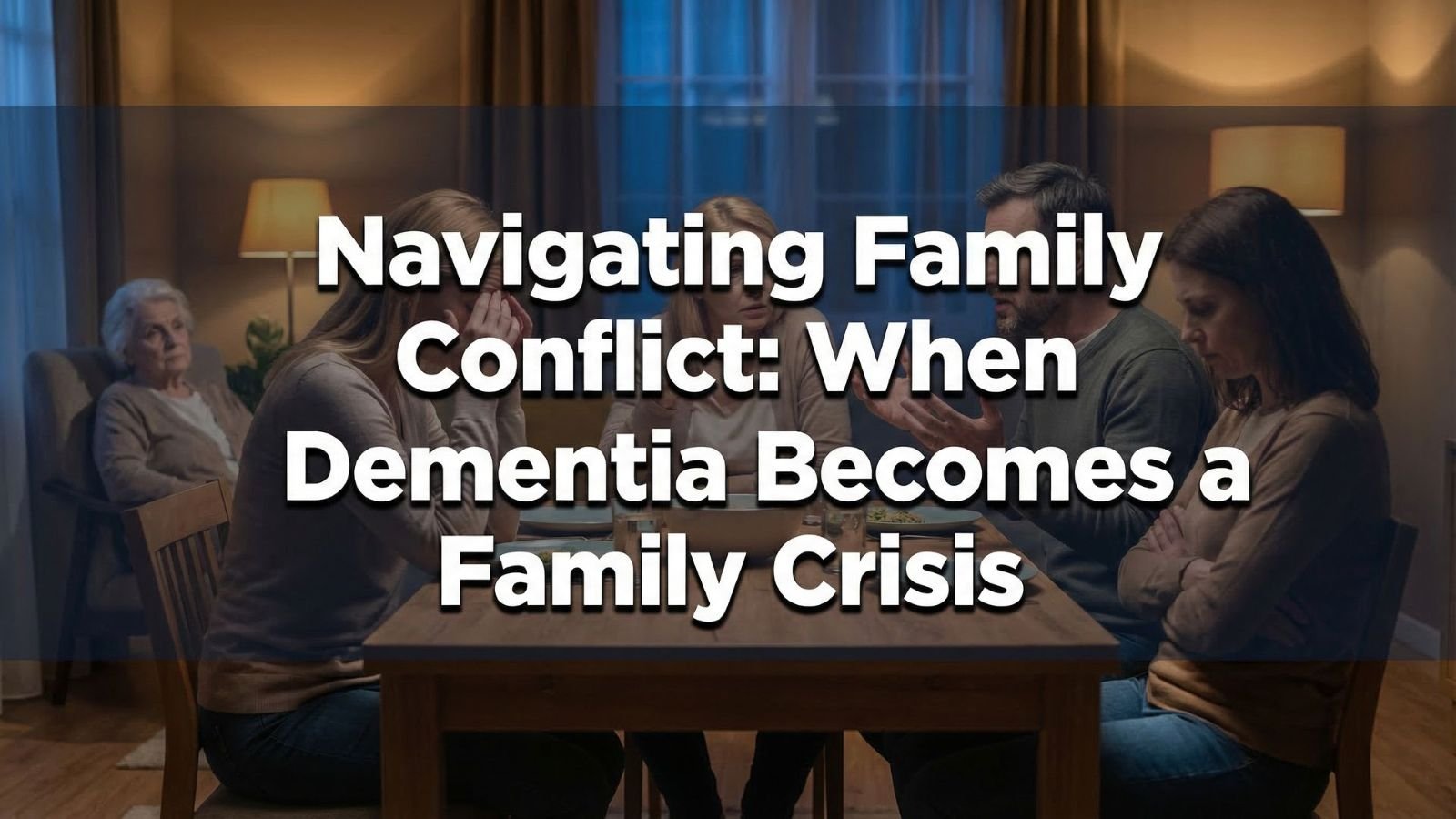
When a loved one is diagnosed with dementia, it doesn’t just change the life of the person living with the condition; it shifts the entire family ecosystem.
During my six plus years helping support three family members, I saw how a crisis could either pull a family together or tear it apart.
For a global care partner, these conflicts often span time zones and cultural expectations. Here is how to navigate the common “battlegrounds” of family care.
1. The “Distance Gap” Conflict
One of the most common sources of friction occurs when one family member is doing the daily heavy lifting while others are “helping” from afar.
- The Resentment: The primary care partner feels overwhelmed and unsupported.
- The Guilt: The long-distance relative feels disconnected and often compensates by over-criticizing the care being provided.
- The Strategy: Establish a “Central Command” using digital tools. Use shared apps for medication logs and doctor notes so the distance gap is filled with data rather than assumptions.
2. Differing Realities: “He Seems Fine to Me”
It is common for family members who visit less frequently to see a “polished” version of the person living with dementia.
- The Conflict: You see the nighttime agitation and the confusion; they see a pleasant two-hour lunch.
- The Strategy: Invite them to stay for a full 48 hours. Let them experience the “sundowning” or the morning routine. Real-world exposure is the only cure for denial.
3. Cultural and Traditional Pressures
In many cultures represented in our global community, there is an intense pressure to keep care entirely within the family, often at the cost of the primary care partner’s health.
- The Conflict: Suggesting a memory care facility or professional home help is seen as a “betrayal” of tradition.
- The Strategy: Frame professional help as an “extension” of the family’s love, not a replacement for it. Explain that by bringing in support, the family can focus on being family again rather than being exhausted medical staff.
4. The Financial “Tug-of-War”
Money is a major trigger for conflict, especially when care costs rise.
- The Conflict: Disagreements over spending a loved one’s assets on high-quality care versus “preserving the inheritance.”
- The Strategy: Lean on your Durable Power of Attorney. If you have the legal authority, prioritize the safety and comfort of your loved one above all else. Transparency is key—provide a monthly “Care Expense Report” to the family to keep everyone on the same page.
5. Moving Toward a “Peace Treaty”
You cannot control how your relatives act, but you can control your boundaries.
- Focus on the Mission: When a meeting turns into a fight, bring it back to the person: “How does this argument help my grandmother today?”
- Hire a Mediator: Sometimes, you need a professional third party—a geriatric care manager or an elder law attorney—to deliver the “hard truths” that family members won’t hear from you.
Disclaimer: Family dynamics are complex. This article provides general strategies and is not a substitute for professional counseling or legal advice.