In my over six years of caregiving, one of the greatest sources of anxiety was the “unknown.” Whether I was in another room or running a quick errand, the fear of a fall or a sudden episode of confusion was constant.
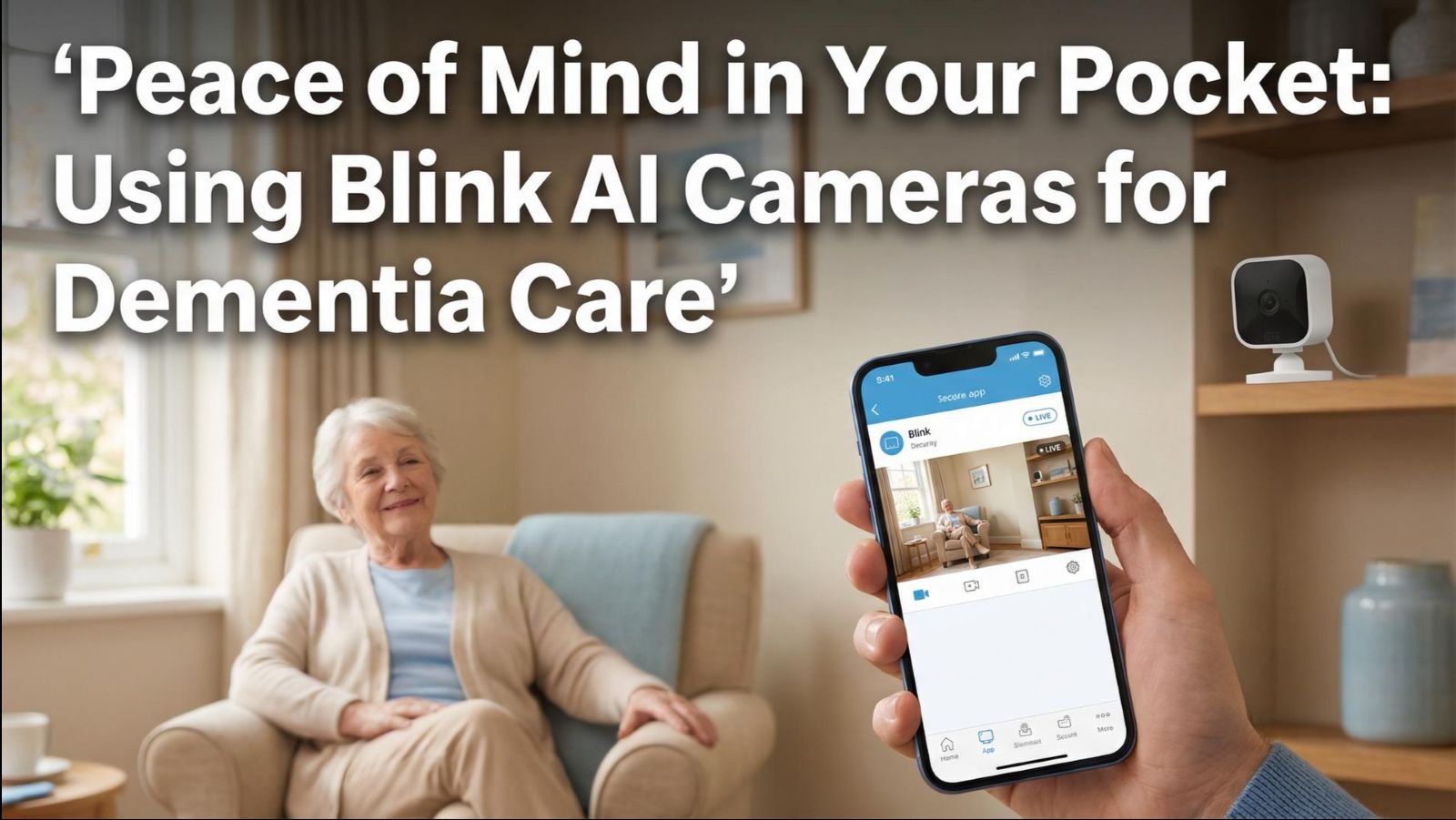
During my journey with my uncle, stepfather, and grandmother, I discovered that smart technology like the Blink Outdoor 4 and Mini 2 could act as a vital second set of eyes.
While these are marketed as security cameras, their AI features make them surprisingly effective tools for dementia monitoring.
Why AI Person Detection is a Game Changer
Standard motion-activated cameras often trigger “false alarms” from moving shadows or pets. For a stressed caregiver, constant phone pings can lead to “notification fatigue.”
Blink’s Person Detection feature uses computer vision to distinguish between a human and a passing cat.
- Reliability: By filtering for people, you only get alerted when your loved one is actually on the move.
- Speed: You receive notifications that specify “A person was detected,” allowing you to check the live feed immediately.
Two-Way Audio: The Virtual Reassurance
The ability to hear and speak through the camera is perhaps its most compassionate feature.
- De-escalation: If you see your loved one becoming agitated, you can speak to them in a calm, familiar voice before the situation escalates.
- Guidance: You can provide simple, step-by-step instructions if they seem confused about where they are or what they are doing.
Balancing Safety and Privacy
Using cameras in a home care setting is an ethical tightrope. It is essential to respect the dignity of your loved one while ensuring their protection.
- Avoid Private Areas: Cameras should never be placed in bathrooms or areas used for dressing.
- Transparency: If your loved one is still in the early stages, discuss the camera with them. Explain that it is a safety tool to help them stay at home longer.
- Limited Access: Only give the login credentials to the primary “team”—like my cousin and me—to ensure your loved one’s daily life isn’t a public broadcast.
Practical Setup Tips for Caregivers
- Wider Field of View: Modern Blink cameras have a 143° diagonal field of view, which is excellent for monitoring entire living rooms or hallways where wandering might occur.
- Night Vision: High-quality infrared night vision is critical for monitoring “sundowning” behaviors or nighttime wandering without needing to leave bright lights on.
- Placement: Position the camera high enough to see over furniture but at an angle that can clearly capture a face for better identification.
Disclaimer: The use of surveillance in caregiving should be done in accordance with local privacy laws and with the consent of the individual or their legal representative.
References
- [1] Blink Support. (2024). Outdoor 4 and Mini 2 Camera Features.
- [2] AgingCare. (2025). Using Cameras for Elderly Safety.
- [3] Alzheimer’s Society. (2024). The Ethics of Home CCTV in Dementia Care.