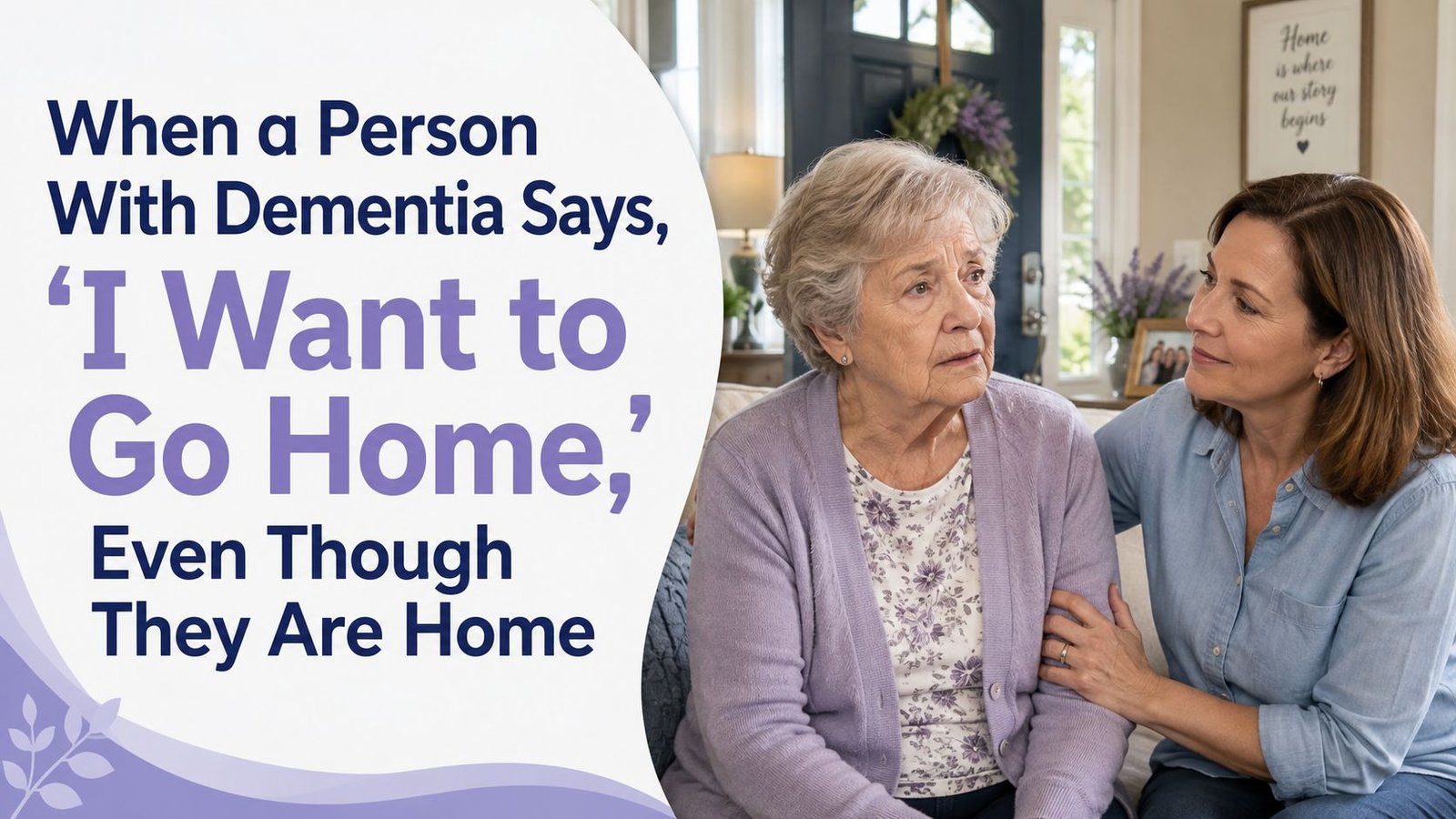
When Dementia Enters the Family: Navigating the Shift in Dynamics
A diagnosis of dementia is not just a diagnosis for one person; it is a diagnosis that reverberates through the entire family.
The news can trigger a cascade of changes, altering relationships, roles, and responsibilities in profound ways. Understanding and navigating these shifts in family dynamics is a crucial part of the dementia journey.
This article will delve into the multifaceted impact of a dementia diagnosis on family dynamics. We will explore the emotional, practical, and financial challenges that families face and offer strategies for coping with these changes.
The Emotional Rollercoaster
The emotional impact of a dementia diagnosis is often the first and most significant challenge for families. A range of emotions can surface, including:
•Grief and Loss: Family members may grieve the loss of the person they once knew as the disease progresses. This anticipatory grief can be a long and painful process.
•Fear and Anxiety: The uncertainty of the future and the prospect of a loved one’s decline can be frightening. Family members may worry about their ability to provide care and the financial implications of the disease.
•Guilt: It is common for family members to feel guilty, whether it is about not recognizing the symptoms sooner, not being able to do more, or feeling frustrated with the person with dementia.
•Anger and Frustration: The challenges of caregiving and the changes in a loved one’s behavior can lead to feelings of anger and frustration. It is important to recognize that these feelings are normal and to find healthy ways to cope with them.
Shifting Roles and Responsibilities
A dementia diagnosis inevitably leads to a shift in roles and responsibilities within the family. These changes can be a major source of stress and conflict.
The Spouse as Caregiver
When a spouse is diagnosed with dementia, the other partner often takes on the role of primary caregiver. This can be a difficult transition, as the relationship shifts from one of partnership to one of caregiving. The healthy spouse may feel a sense of loss for the companionship and intimacy they once shared.
Adult Children as Caregivers
Adult children may also find themselves in the role of caregiver for a parent with dementia. This can be particularly challenging for those who are also raising their own children and managing their careers, often referred to as the “sandwich generation.”
Sibling Dynamics
A parent’s dementia diagnosis can also bring sibling dynamics to the forefront. Disagreements can arise over care decisions, financial responsibilities, and the division of labor. It is important for siblings to communicate openly and to work together as a team.
| Impact Area | Description |
| Emotional | Grief, fear, guilt, and anger are common emotions for family members. |
| Roles | Spouses and adult children often transition into caregiver roles. |
| Financial | The cost of care can be a significant financial burden for families. |
| Communication | Communication can become challenging as the disease progresses. |
The Financial Strain
The cost of dementia care can be substantial and can place a significant financial strain on families. Expenses may include:
•Medical care and medications
•In-home care services
•Adult day care
•Residential care, such as assisted living or a nursing home
It is important for families to have open conversations about finances and to explore all available resources, including long-term care insurance, government programs, and community assistance.
Communication Challenges
As dementia progresses, communication can become increasingly difficult. The person with dementia may have trouble finding words, understanding conversations, or expressing their needs. This can be frustrating for both the individual and their family members.
Learning new communication strategies can help families stay connected. These may include:
•Using simple, direct language
•Speaking in a calm and reassuring tone
•Using non-verbal cues, such as touch and facial expressions
•Listening patiently and trying to understand the meaning behind the words
Strategies for Navigating the Changes
While the challenges are significant, there are strategies that can help families navigate the changes in dynamics that come with a dementia diagnosis.
Seek Support
It is essential for families to seek support from others. This may include:
•Support groups for caregivers and family members
•Counseling or therapy to help cope with the emotional challenges
•Respite care to provide a break for caregivers
Support groups can be particularly helpful because they provide a safe space to share experiences and learn from others who are going through similar challenges. Many organizations, including the Alzheimer’s Association, offer both in-person and online support groups.
Communicate Openly
Open and honest communication is key to managing family dynamics. Regular family meetings can provide a forum for discussing care decisions, sharing feelings, and resolving conflicts.
It is important to create an environment where everyone feels comfortable expressing their thoughts and feelings without judgment. Active listening and empathy are essential for effective communication.
Educate Yourselves
Learning as much as possible about dementia can help families understand the changes their loved one is experiencing and how to best support them. Browse more helpful articles here.
Understanding the disease can also help reduce feelings of frustration and can provide families with realistic expectations about the future. Knowledge is power, and the more you know about dementia, the better equipped you will be to handle the challenges that lie ahead.
Plan for the Future
It is important to have conversations about legal and financial matters early in the disease process, while the person with dementia is still able to participate in decision-making. This includes creating or updating wills, powers of attorney, and advance directives. Planning ahead can reduce stress and conflict later on.
A Journey Together
A dementia diagnosis is a journey that a family takes together. While it is a path filled with challenges, it can also be a time of profound love, connection, and resilience. By working together, seeking support, and communicating openly, families can navigate the changing dynamics and provide the best possible care for their loved one.
References
[1] Alzheimer’s Association. (n.d.). Changes in Relationships. https://www.alz.org/help-support/i-have-alz/know-what-to-expect/changes-in-relationships
[2] Alzheimer Society Canada. (n.d.). Understanding how your relationship may change. https://alzheimer.ca/en/help-information/i-have-friend-or-family-member-who-lives-dementia/understanding-how-your
[3] BrightFocus Foundation. (2021, September 13). Alzheimer’s Disease: Family & Relationships. https://www.brightfocus.org/resource/alzheimers-disease-family-relationships/
[4] Dementia Australia. (2025, March 26). Dementia and family relationships. https://www.dementia.org.au/living-dementia/staying-connected/dementia-and-family-relationships