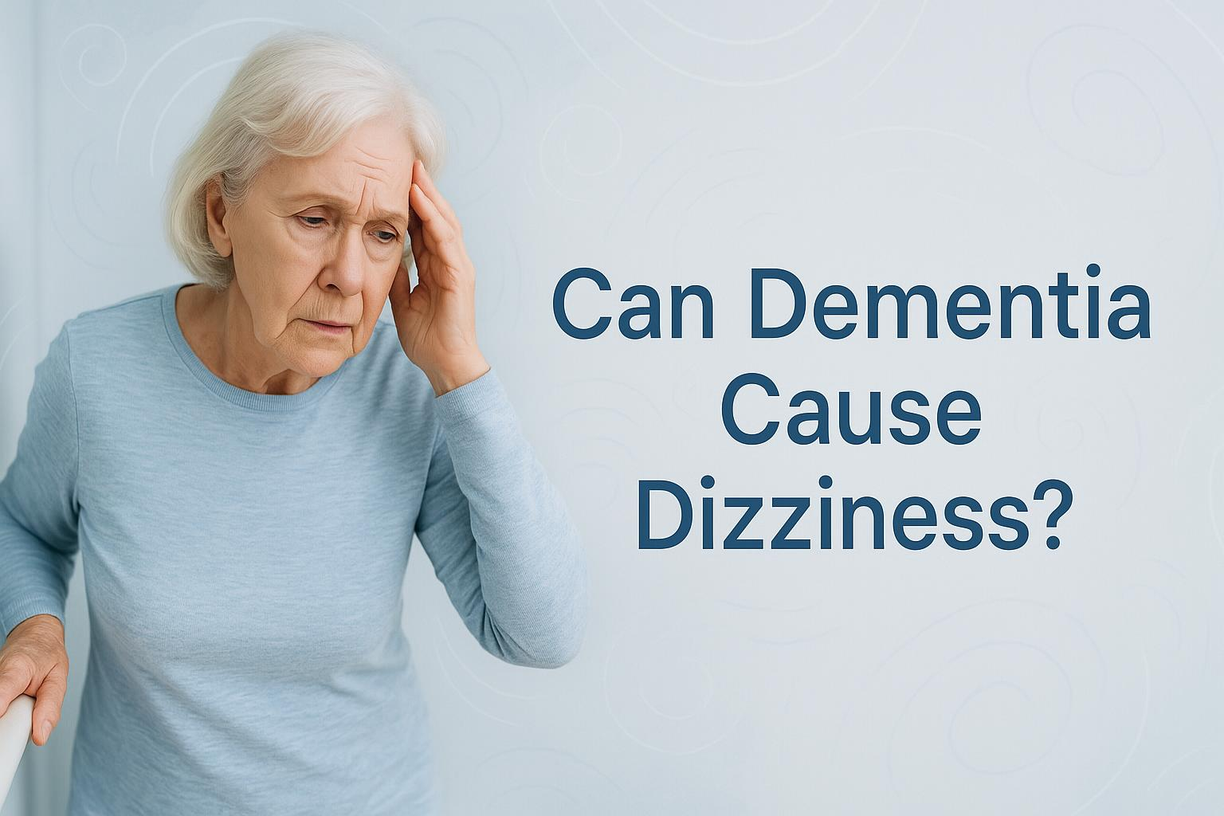
Are you concerned that your loved one with dementia seems unsteady on their feet? Do they complain of dizziness or appear to have balance problems that worry you about falls? Are you wondering if these balance issues are related to their dementia or represent separate health concerns? These questions arise frequently as families notice physical changes alongside cognitive decline.
Dementia can cause dizziness and balance problems through multiple mechanisms affecting the brain areas responsible for balance, coordination, and spatial awareness. These physical symptoms often appear alongside cognitive changes and can significantly impact safety and quality of life for patients and their families.
Understanding the connection between dementia and dizziness helps families recognize when balance problems require medical attention and implement safety measures to prevent dangerous falls. Balance issues can appear early in some types of dementia and may serve as warning signs of cognitive decline.
Understanding Dizziness and Balance in Dementia
Dizziness and balance problems in dementia patients result from complex interactions between cognitive decline, brain changes, and physical factors that affect the body’s ability to maintain stability and spatial orientation.
How Dementia Affects Balance
Balance control involves multiple brain systems working together:
- Frontal lobe – controls executive functions including balance planning and coordination
- Parietal lobe – processes spatial information crucial for balance
- Cerebellum – coordinates movement and balance responses
- Brainstem – manages automatic balance reflexes
Types of balance problems in dementia include:
- Dizziness – feeling lightheaded or unsteady
- Vertigo – sensation of spinning or room movement
- Disequilibrium – feeling off-balance while walking
- Gait disturbances – changes in walking patterns and stride
Dementia-specific patterns vary by type:
- Lewy body dementia shows prominent balance problems due to autonomic nervous system involvement, causing blood pressure drops when standing
- Vascular dementia causes balance issues through decreased blood flow to brain tissue
- Alzheimer’s disease affects balance through damage to spatial processing areas
| Dementia Type | Balance Impact | Typical Timing | Key Features |
|---|---|---|---|
| Lewy body dementia | Very high | Early in disease | Orthostatic hypotension, falls |
| Parkinson’s dementia | High | Variable | Rigidity, shuffling gait |
| Alzheimer’s disease | Moderate | Later stages | Spatial confusion, apraxia |
| Vascular dementia | Variable | Depends on location | Sudden changes, step-wise decline |
| Frontotemporal dementia | Low to moderate | Variable | Behavioral changes affecting safety |
Research Findings on Dementia and Balance
Research from Dementia Care Central demonstrates that balance issues are notable physical symptoms of Alzheimer’s disease and other dementias, often appearing earlier than previously recognized and serving as potential early warning signs of cognitive decline.
Key research findings:
- 2013 Washington University study concluded that early-stage Alzheimer’s disease is a risk factor for falls, with balance problems potentially preceding noticeable mental changes
- 2016 multi-university research found that adults in very early stages of Alzheimer’s may have balance and walking difficulties before obvious cognitive symptoms
- Longitudinal studies show poor physical performance, including balance issues, in seniors age 90+ is associated with dementia onset
Early warning signs: Balance problems can appear before obvious cognitive symptoms become apparent, creating opportunities for early intervention and fall prevention strategies.
Progression patterns: Patients in later dementia stages are more likely to fall than those in early stages, but balance issues start appearing much earlier in the disease process.
Recognizing Balance Problem Signs
Early balance signs that families should monitor include:
Physical Changes
- Unsteady gait with changes in normal walking motion
- Shuffling feet and taking shorter steps
- Increased clumsiness beyond normal aging
- Overall slowing of movement
- Difficulty turning or pivoting
- Stooped posture while moving
- Body stiffness leading to unusual walking patterns
Functional Difficulties
- Problems starting movement (apraxia) – difficulty getting out of chairs
- Hesitation before moving or requiring multiple attempts
- Difficulty with direction changes or stopping suddenly
- Problems with stairs or uneven surfaces
Verbal Complaints
- Reports of feeling lightheaded or unsteady
- Descriptions of spinning sensations or room movement
- Complaints of feeling like they are going to fall
- Expressions of fear about moving or walking
Behavioral Indicators
- Holding onto furniture while walking
- Avoiding certain movements or activities
- Moving more slowly than usual
- Requesting assistance with previously independent activities
- Activity avoidance due to balance concerns
- Sleep disturbances from fear of nighttime falls
Causes and Contributing Factors
Multiple factors work together to create dizziness and balance problems in dementia patients. Understanding these helps develop comprehensive management strategies.
Primary Neurological Causes
Brain damage from dementia directly affects balance control centers, spatial processing abilities, and movement coordination. As these areas deteriorate, patients lose the ability to maintain stability and respond appropriately to balance challenges.
Medication Effects
Common medications that can worsen balance include:
- Memantine (dementia medication) – lists dizziness as side effect
- Blood pressure medications – can cause orthostatic hypotension
- Sleep aids and anxiety medications – affect coordination
- Pain medications – can cause drowsiness and confusion
- Multiple medications (polypharmacy) increase interaction risks
Physical Health Factors
Cardiovascular issues:
- Blood pressure changes affecting brain blood flow
- Heart rhythm problems
- Circulation issues
Sensory impairments:
- Vision problems reducing spatial awareness
- Hearing difficulties affecting vestibular system balance
Other contributing factors:
- Dehydration reducing blood volume and causing dizziness
- Muscle weakness from reduced activity and sarcopenia
- Infections (especially UTIs) temporarily worsening confusion and balance
- Poor nutrition affecting energy and cognitive function
Environmental Triggers
- Poor lighting making navigation difficult
- Uneven surfaces and obstacles
- Clutter in walking paths
- Unfamiliar environments increasing confusion
- Slippery surfaces and loose rugs
| Risk Factor | Impact Level | Management Strategy |
|---|---|---|
| Brain damage | High | Disease-specific treatments, safety measures |
| Medication effects | Moderate to high | Regular medication reviews |
| Vision problems | Moderate | Vision correction, improved lighting |
| Dehydration | Moderate | Hydration monitoring, regular fluids |
| Environmental hazards | High | Home safety modifications |
| Muscle weakness | Moderate | Physical therapy, safe exercises |
Effective Management Strategies
Comprehensive balance management focuses on reducing fall risk while maintaining mobility and independence as much as possible.
Environmental Safety Modifications
Home safety improvements:
- Remove obstacles from walking paths
- Secure throw rugs or remove them entirely
- Improve lighting throughout the home, especially hallways and bathrooms
- Install grab bars in bathrooms and along stairs
- Use non-slip surfaces in showers and tubs
- Ensure clear pathways free of clutter
- Mark step edges with contrasting colors
- Provide adequate seating for rest breaks
Physical Interventions
Exercise and therapy:
- Physical therapy for balance exercises and gait training
- Strength training to maintain muscle mass
- Tai chi and gentle exercise programs designed for older adults
- Balance exercises that can be done safely at home
- Walking programs with appropriate supervision
Assistive devices:
- Canes and walkers when appropriate (requires cognitive ability to use safely)
- Proper footwear with good support and non-slip soles
- Medical alert systems for emergency situations
Medical Management
Healthcare coordination:
- Regular medication reviews to identify balance-affecting drugs
- Blood pressure monitoring and management
- Vision and hearing assessments with corrections as needed
- Treatment of infections and other acute conditions
- Hydration and nutrition monitoring
Specialist consultations:
- Neurologists for complex balance issues
- Geriatricians for comprehensive dementia care
- Physical therapists for balance training programs
- Occupational therapists for home safety assessments
Daily Care Strategies
Supervision and support:
- Risk assessment to determine when assistance is needed
- Gradual activity modification to maintain engagement safely
- Emergency planning with medical alert systems and contact information
- Fall response preparation – knowing when to seek medical attention
Timing considerations:
- Avoid rushing – allow extra time for movements
- Monitor for fatigue – balance problems worsen when tired
- Be aware of medication timing – some drugs cause peak dizziness effects
- Plan activities during patient’s best times of day
When to Seek Medical Help
Medical evaluation becomes important when balance problems significantly impact safety, mobility, or quality of life.
Immediate medical attention required for:
- Sudden severe dizziness with chest pain, shortness of breath, or stroke signs
- Falls with head injury or suspected fractures
- New balance problems with rapid onset
- Dizziness with fever or signs of infection
- Loss of consciousness or near-fainting episodes
Schedule medical appointments for:
- Progressive balance decline affecting daily activities
- New or worsening dizziness not explained by known causes
- Medication-related balance problems
- Multiple falls or near-falls
- Balance problems interfering with sleep or eating
Regular monitoring should include:
- Medication reviews every 3-6 months
- Vision and hearing assessments annually
- Blood pressure checks regularly
- Overall health evaluations to identify treatable contributing factors
| Situation | Urgency | Action Needed |
|---|---|---|
| Sudden severe dizziness with other symptoms | Emergency | Call 911 immediately |
| Falls with injury | High | Emergency room evaluation |
| New balance problems | Moderate | Medical appointment within days |
| Progressive decline | Moderate | Schedule routine appointment |
| Medication concerns | Moderate | Contact prescribing physician |
Frequently Asked Questions
Why do dementia patients have balance problems?
Balance problems result from brain damage affecting areas responsible for balance control, spatial processing, and movement coordination. Additionally, medications, vision changes, dehydration, and other factors common in dementia patients contribute to balance difficulties.
Can balance problems be an early sign of dementia?
Research suggests balance problems can appear before obvious cognitive symptoms in some cases. Studies show early-stage Alzheimer’s disease increases fall risk, and balance issues may precede noticeable mental changes. However, balance problems have many causes and require medical evaluation.
Are balance problems in dementia treatable?
Many aspects of balance problems can be improved through comprehensive management including physical therapy, environmental modifications, medication reviews, and treatment of contributing factors. While underlying brain changes cannot be reversed, supportive interventions significantly improve safety and function.
How can families keep dementia patients safe with balance problems?
Safety strategies include environmental modifications (removing obstacles, improving lighting, installing grab bars), providing appropriate supervision, maintaining physical fitness through safe exercises, and regular medical monitoring with medication reviews.
When do balance problems typically appear in dementia?
Balance problems can appear at various dementia stages, depending on type and individual factors. Lewy body dementia often shows earlier and more prominent balance problems than Alzheimer’s disease. Some patients experience balance issues early, while others develop problems in later stages.
Key Takeaways
Dementia can cause dizziness and balance problems through brain damage affecting balance control centers, spatial awareness, and movement coordination. These physical symptoms often accompany cognitive decline and significantly impact safety and quality of life.
Balance problems may appear early in dementia progression and can serve as warning signs of cognitive decline. Research shows balance issues sometimes precede obvious cognitive symptoms, making them important indicators for medical evaluation.
Comprehensive management involves environmental modifications, physical therapy, medication reviews, and safety planning to reduce fall risk while maintaining mobility. Multiple contributing factors can be addressed to improve balance and safety.
Medical evaluation is important for new or worsening balance problems to identify treatable causes and develop appropriate management strategies. Regular monitoring helps track progression and optimize interventions.
The most important message for families is that balance problems in dementia are manageable with appropriate understanding and interventions. Comprehensive approaches focusing on safety, environmental modifications, and medical management can help maintain mobility and prevent dangerous falls throughout the dementia journey.
References:
[1] Dementia Care Central. “Balance Problems Associated with Alzheimer’s & Dementia.” April 23, 2025. https://www.dementiacarecentral.com/caregiverinfo/balance-issues