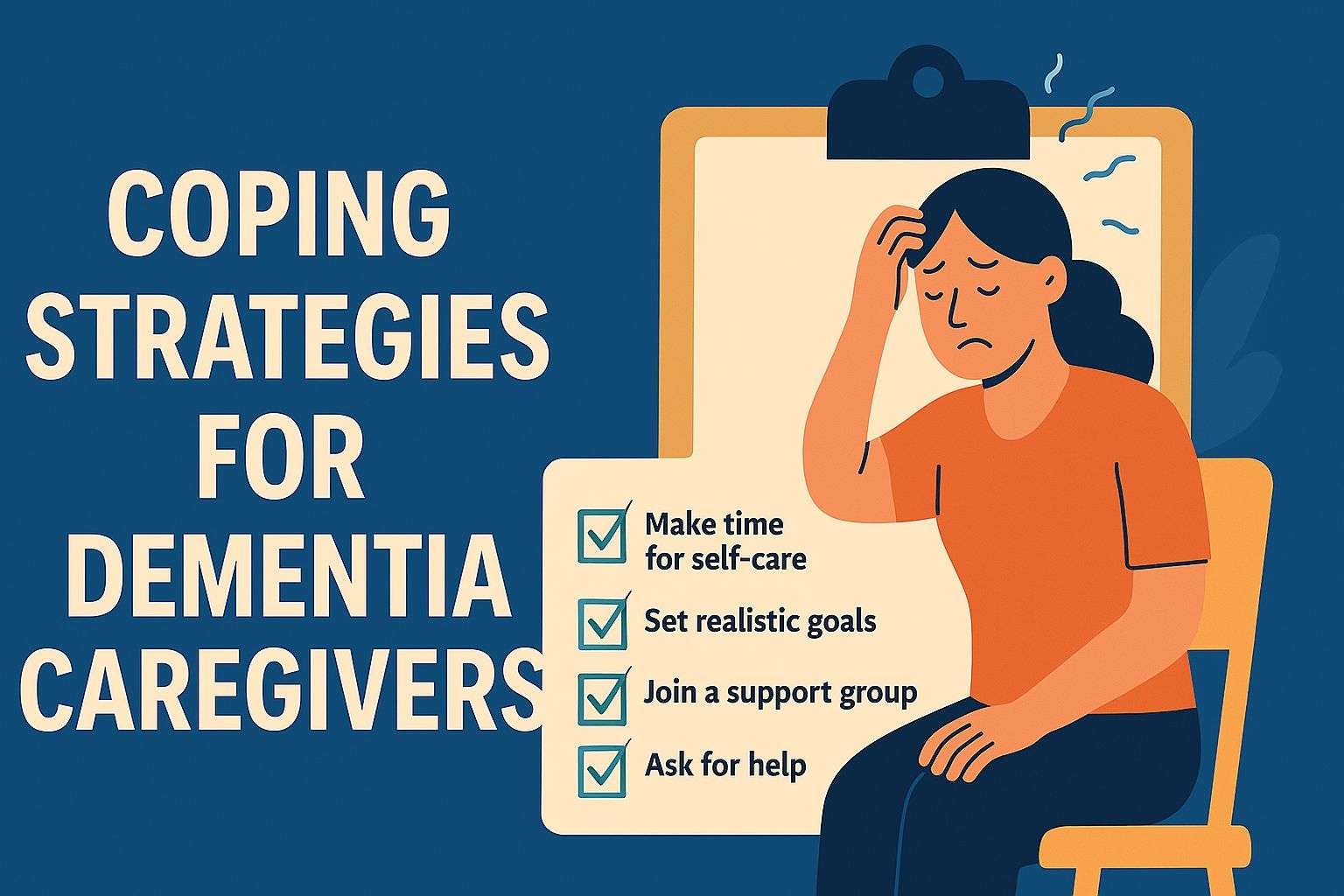
Caring for a loved one with dementia is rewarding but often leads to high levels of caregiver stress.
Many caregivers experience symptoms of caregiver stress without realizing it.
Recognizing the signs of caregiver stress early can help prevent caregiver burnout and protect your mental and physical health.
Burnout is a state of emotional, mental, and physical exhaustion.
Caregivers may experience it when caregiving responsibilities become too heavy without enough help.
Learning effective coping strategies is essential for every caregiver.
Signs of Caregiver Stress and Burnout
Caregivers often ignore the early symptoms of burnout. Recognizing them early helps protect physical and mental health.
| Signs of Caregiver Stress | Symptoms of Burnout |
|---|---|
| Irritability | Mental exhaustion |
| Anxiety | Chronic stress |
| Trouble sleeping | Loss of motivation |
| Feeling overwhelmed | Withdrawal from friends |
| Health problems | Feelings of hopelessness |
Caregivers of people with dementia should pay attention to these signs of stress and burnout.
Why Dementia Caregiving Increases Stress
Dementia caregiving presents daily challenges.
Patients with Alzheimer’s disease or other types of dementia often show cognitive decline, memory loss, and changes in behavior. This constant care can increase caregiver burden.
Providing dementia care requires physical activity, emotional support, and managing health conditions.
Without proper help, caregivers experience high levels of stress and physical health decline.
Effective Coping Strategies for Dementia Caregivers
Caregivers may feel overwhelmed, but many coping skills can help reduce stress and improve health and well-being.
1. Prioritize Self-Care
Self-care is critical for every family caregiver. To care for your loved one, you first need to take care of yourself.
- Get enough sleep to restore your mental and physical energy.
- Eat nutritious meals to support physical health.
- Engage in physical activity like walking or yoga.
Good self-care practices help caregivers maintain their mental and physical health.
2. Set Realistic Goals
Set realistic daily and weekly goals to manage expectations. Accept that caregiving will have challenges. Adjust plans as needed to avoid emotional stress.
| Goal Setting Tips |
|---|
| Write tasks down |
| Focus on priorities |
| Accept imperfections |
3. Use Respite Care Services
Respite care offers short-term breaks. Whether through adult day programs, in-home services, or assisted living centers, respite helps prevent caregiver burnout.
- Adult day care provides activities for older adults.
- In-home care offers support at your home.
- Assisted living provides full-time dementia care if needed.
Using respite helps reduce caregiver burden.
4. Join a Support Group
Joining a support group can help caregivers find emotional support. A support group offers a place to share experiences and coping skills.
Caregivers may also learn about available resources for dementia caregiving.

| Benefits of Support Groups |
|---|
| Need someone to talk? Get support |
| Share strategies for coping |
| Learn from experienced caregivers |
Contact your local Alzheimer’s Association for caregiver support groups in your area.
5. Ask for Help
Do not wait until you feel overwhelmed. Ask for help early. Your care team, family members, or community groups can provide caregivers with assistance.
Support helps reduce stress and improves the caregiver’s health and well-being.
How to Maintain Your Health While Caregiving
Caregivers often forget their own needs while providing care. To protect your mental and physical health, follow these tips:
- Make time for hobbies and relaxation.
- Practice stress management techniques like breathing exercises.
- Seek professional help if you experience symptoms of caregiver depression.
- Stay connected to friends and family for emotional support.
- Plan for future dementia care needs early.
Table: Quick Ways to Help Caregivers Manage Stress
| Action | Impact |
|---|---|
| Take short breaks | Prevent caregiver burnout |
| Practice physical activity | Improve mental and physical health |
| Use day care programs | Help reduce caregiver stress |
| Stay organized | Reduce emotional stress |
| Seek professional help | Treat mental exhaustion |
Final Thoughts
Caregivers of people living with dementia face special challenges. Knowing the signs of caregiver stress and using coping strategies can help you manage caregiver stress better.
If you feel overwhelmed, contact your local support group or health provider. Using respite care, joining caregiver support groups, and setting realistic goals help reduce stress and improve your health and well-being.
Always remember, caring for someone with dementia is hard, but you do not have to do it alone. There are available resources to help you manage caregiver stress and provide the best care for your loved one with dementia.