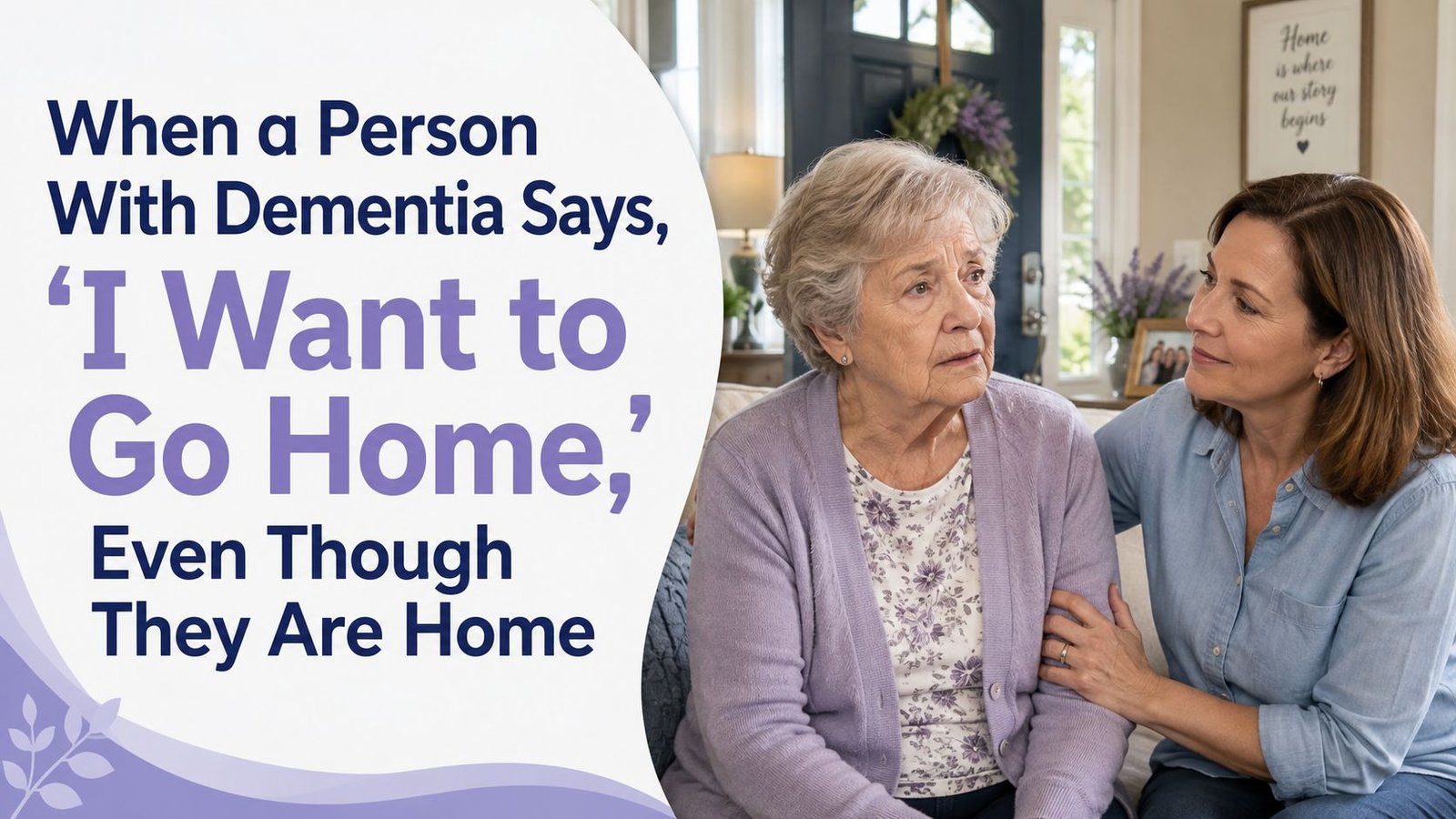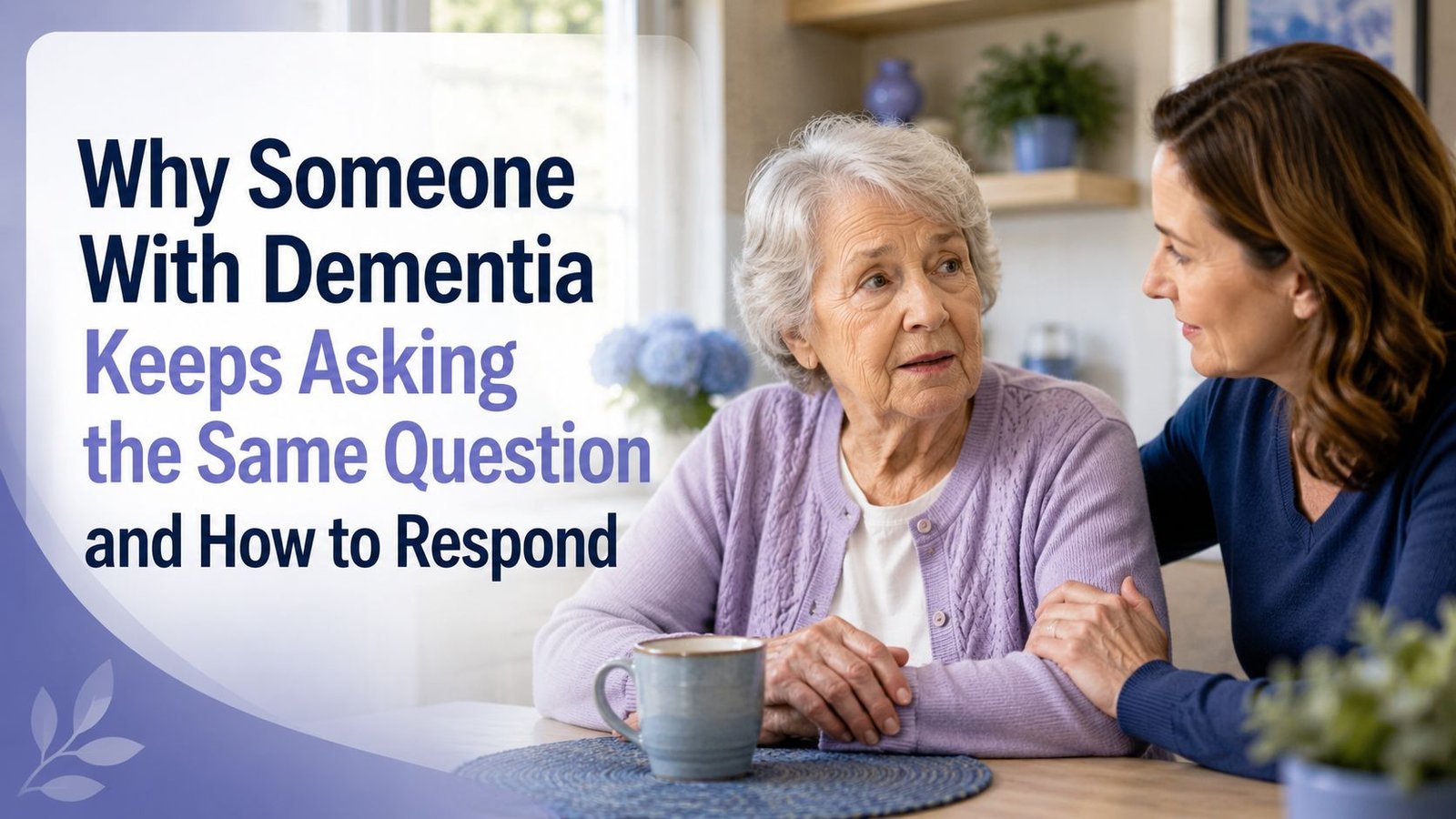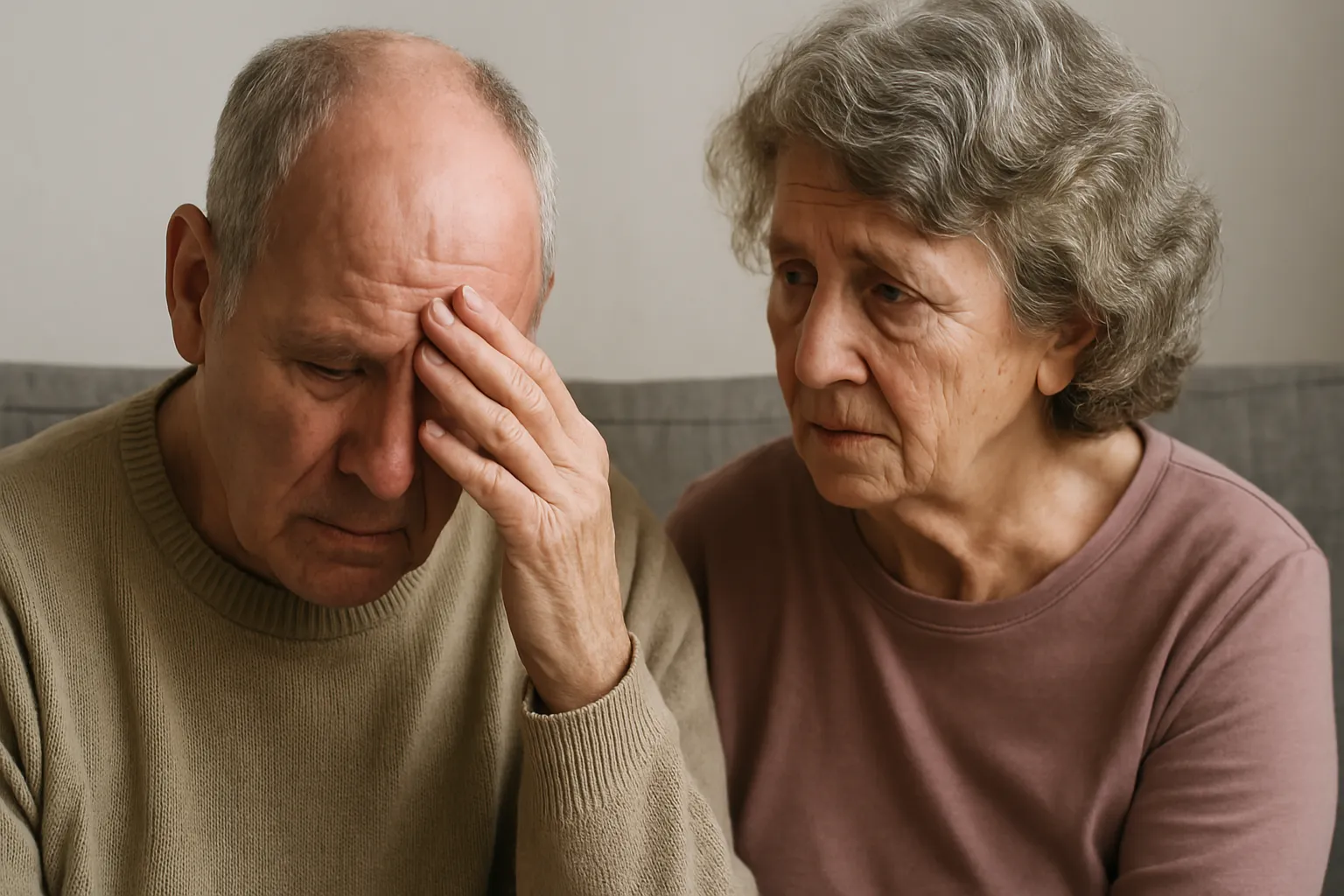
Dementia and depression affect many older adults worldwide.
These conditions can happen at the same time, making life harder for patients and their families.
Clear diagnosis and early treatment help improve daily life and long-term outcomes.
What Is Dementia?
Dementia is a condition that causes problems with memory, language, judgment, and thinking.
It often affects older people but is not a normal part of aging.
Common Types of Dementia
| Type of Dementia | Main Symptoms | Notes |
|---|---|---|
| Alzheimer’s disease | Memory loss, confusion | Most common type of dementia |
| Vascular dementia | Slowed thinking, trouble with focus | Often follows a stroke |
| Parkinson’s disease | Tremors, stiffness, memory issues | Involves movement and thinking |
| Mild dementia | Early signs like forgetfulness | May still live independently |
| Dementia in long-term | Ongoing cognitive decline | Seen in residential care |
What Is Depression?
Depression affects mood, energy, and interest in activities. Depression is very common among elderly people. Symptoms of depression can include sadness, low mood, sleep changes, and trouble focusing.
Depression in Dementia
Depression in dementia is difficult to spot because the symptoms overlap. A person with dementia may show less interest, avoid others, or feel hopeless.
Similar Symptoms
| Depression Symptoms | Dementia Symptoms |
|---|---|
| Low mood | Memory loss |
| Sleep changes | Trouble with thinking |
| Loss of interest | Confusion |
| Slow movement | Difficulty with daily tasks |
Link Between Depression and Dementia
The link between depression and dementia is strong. Depression can increase the risk of dementia later in life.
Studies show people with depression have double the risk of developing dementia.
Cognitive Impairment
Depression in cognitive impairment is common. People with cognitive impairment often struggle with memory and planning. Depression may make these problems worse.
Depression in Alzheimer’s Disease
Depression in Alzheimer’s disease can appear early or later. It may lower quality of life and make dementia symptoms worse. Patients with dementia who are also depressed need close care and support.
Causes and Risk Factors
Several risk factors link depression and dementia:
- Age
- Chronic medical conditions
- Family history
- Isolation
- Lack of physical activity
Depression occurring in older adults may signal early cognitive impairment.
Other Causes
- Personal loss
- Poor diet
- Chronic pain
- Certain medications
Diagnosing Depression and Dementia
Doctors use tools to check for both conditions.
Common Tests
| Tool/Test | Use |
|---|---|
| Geriatric depression scale | Screens for depressive symptoms |
| Cognitive tests | Measures memory and focus |
| Depression diagnosis checklist | Confirms symptoms of depression |
| Dementia diagnosis evaluation | Confirms stage of dementia |
Treatment for Depression and Dementia
Getting treatment for depression is vital. It helps improve mood and slow cognitive decline in some cases.
Treatment Options
- Antidepressant medications (e.g., selective serotonin reuptake inhibitors)
- Therapy (talk-based)
- Routine and structured activities
- Physical exercise
- Social engagement
Treatment of depression in dementia requires a focus on safety, routine, and managing side effects.
Doctors often recommend non-drug approaches first.
Supporting People with Dementia
People living with dementia need emotional and physical support. Personal care should be simple and consistent. In some cases, psychiatric care or long-term care is needed.
Daily Support Strategies
- Help with activities of daily living
- Create calm environments
- Keep routines predictable
- Monitor for depressive symptoms
Managing Depression in Dementia
The management of depression focuses on small, steady improvements. Residential care teams may use special plans for elderly patients who are suffering from depression.
Key Facts
| Factor | Importance |
|---|---|
| Depression affects mood and memory | Slows recovery |
| Dementia can lead to depression | Common in middle stages of dementia |
| Cognitive function can improve with care | Early help is best |
Prevention and Outlook
While not always preventable, some steps reduce the risk of developing depression or dementia.
Tips to Reduce Risk
- Stay active
- Eat healthy
- Keep social ties strong
- Manage medical conditions
- Stay mentally engaged
The risk of developing dementia is higher in people with depression.
The risk of developing depression also increases with early cognitive loss.
Final Thoughts
Dementia and depression often go hand-in-hand. Early recognition and action help people with dementia feel better and live longer, healthier lives.
If someone with dementia shows signs of low mood or stops enjoying life, speak with a doctor. Getting treatment early is key.