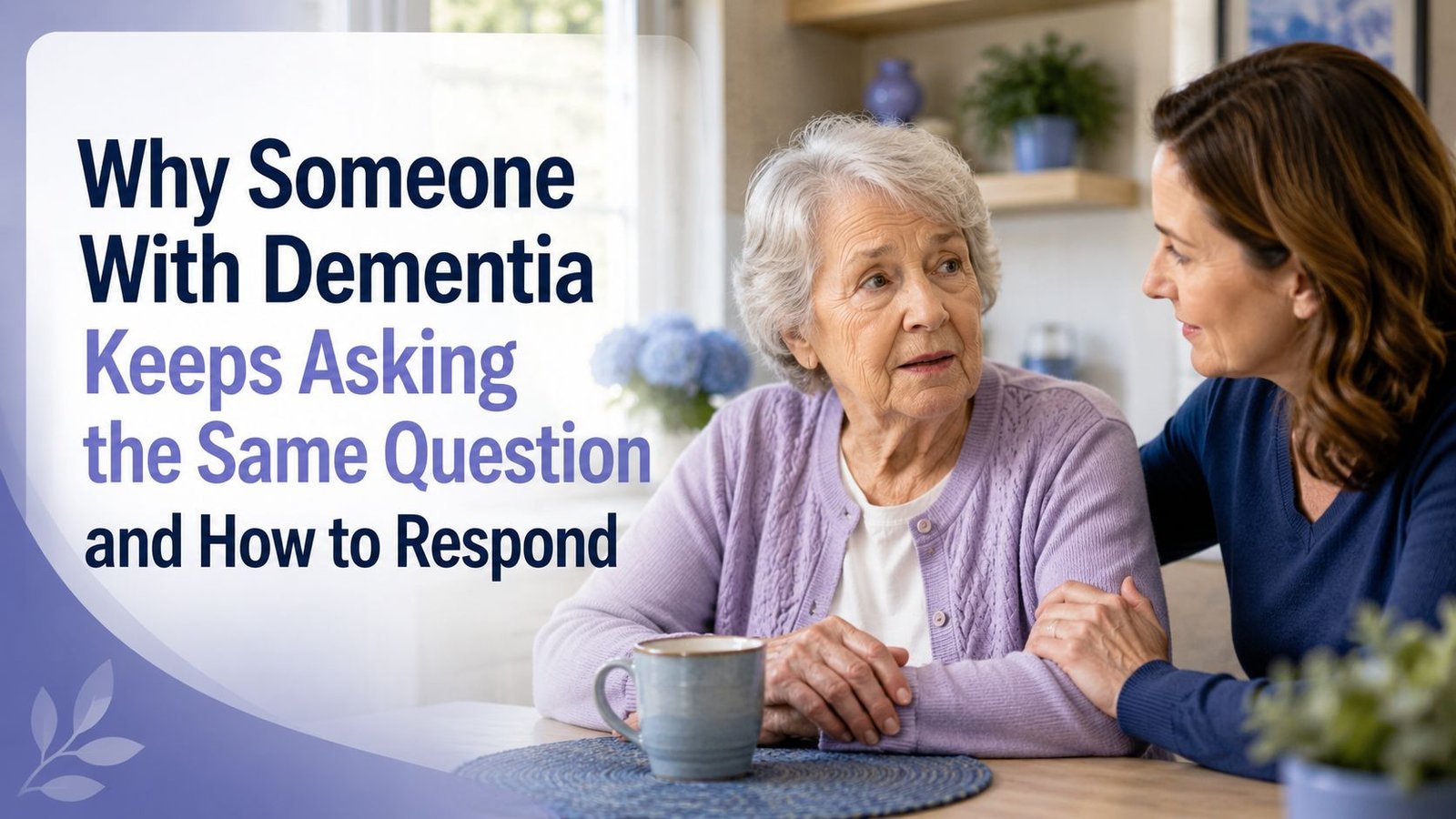
Dementia affects millions of people worldwide.
Although there’s no guaranteed way to prevent dementia, research shows that certain lifestyle choices may help reduce your risk.
Understanding Dementia Prevention
Dementia refers to a decline in memory, thinking, and reasoning skills. Alzheimer’s disease is the most common form, but other types of dementia include vascular dementia and dementia related to brain injuries.
Risk Factors for Dementia
Some dementia risk factors, like age and genetics, cannot be changed. However, many modifiable risk factors may help reduce your risk of developing cognitive impairment.
Modifiable Risk Factors Include:
- High blood pressure
- Diabetes, especially type 2 diabetes
- Obesity
- High cholesterol
- Physical inactivity
- Hearing loss
- Excessive alcohol consumption (more than 14 units of alcohol per week)

Ways to Reduce Your Risk of Dementia
Regular Physical Activity
Regular physical activity each week is essential.
Engaging in at least 150 minutes of moderate-intensity physical activity every week may help prevent dementia.
Physical activity improves overall health, reduces the risk of stroke, heart disease, and diabetes—all factors that increase the risk of dementia.
Healthy Diet
Eating healthy foods good for your heart is also good for your brain.
A diet rich in fruits, vegetables, high omega3 proteins, and healthy fats can lower your risk of developing dementia.
Manage Health Problems
Managing health problems such as diabetes, high blood pressure, and high cholesterol can significantly reduce your risk of dementia.
These conditions damage blood vessels, raising your risk of heart disease and stroke, which also increase the risk of dementia.
Hearing Loss Treatment
Hearing loss may increase the risk of dementia. Using hearing aids or treating hearing loss early may help reduce your risk.
Avoid Brain Injuries
Protecting your head from brain injuries can prevent cognitive decline and dementia. Always wear seat belts, helmets, and protective gear.
Engaging in Social Activities
Social activities keep your brain active and healthy. Older adults who stay socially connected are less likely to develop dementia.
Limiting Alcohol Consumption
Drinking too much alcohol can increase your risk of dementia. Limit intake to no more than 14 units of alcohol per week to help protect against dementia.
Clinical Trials and Dementia Prevention
Evidence from clinical trials suggests lifestyle choices significantly influence dementia risk. However, more research is needed to determine the most effective ways to treat or prevent dementia.
Dementia Prevention Strategies: Quick Guide
| Strategy | Recommendation |
|---|---|
| Exercise | At least 150 minutes of moderate-intensity activity each week |
| Diet | Balanced diet rich in fruits, vegetables, healthy fats, and whole grains. |
| Manage Health | Regular check-ups for diabetes, high blood pressure, and high cholesterol |
| Social Activity | Stay socially active and connected |
| Alcohol | Limit alcohol to less than 14 units per week |
| Hearing | Treat hearing loss early |
| Injury Prevention | Wear helmets and seat belts |
Dementia Prevention Outlook
According to the National Institutes of Health, about one-third of dementia cases could be prevented by addressing modifiable risk factors. The next 25 years will likely bring more understanding and effective strategies.
While dementia cannot always be prevented, making smart lifestyle choices can significantly lower your risk of developing dementia.