The landscape of dementia care is evolving rapidly, driven by policy changes, technological advancements, and medical research.
The “State of Care 2025” panel, hosted by actor and advocate Seth Rogen, brought together leading experts to discuss the latest developments in dementia research, caregiving policies, and innovative solutions to improve patient and caregiver support.
Key Policy Challenges and Solutions
Diane Ty, Managing Director of the Milken Institute’s Future of Aging, highlighted critical gaps in caregiving support.
One of the primary challenges is the lack of national paid leave policies for caregivers.
The U.S. remains the only industrialized nation without a federal paid leave guarantee, leaving caregivers financially vulnerable.
Family caregivers spend an average of $7,200 annually, with dementia caregivers facing costs upwards of $12,000.
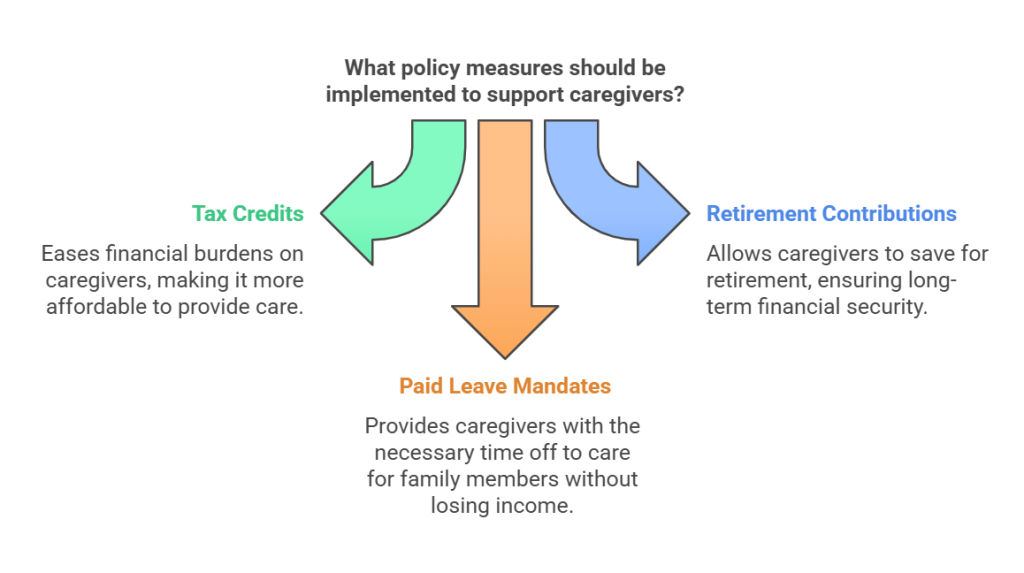
Potential solutions include:
- Implementing tax credits or stipends to ease financial burdens.
- Expanding policies to allow caregivers to make “catch-up contributions” to retirement savings.
- Encouraging more states to mandate paid family and medical leave.
Breakthroughs in Dementia Treatments
Dr. Sarah Kremen, a leading neurologist, discussed recent advancements in Alzheimer’s and dementia treatments.
New medications target amyloid plaques in the brain, showing promising results in slowing cognitive decline.
However, these treatments are not universally accessible due to strict eligibility requirements.
Important takeaways:
- Medications like Lecanemab have shown mild effectiveness in slowing Alzheimer’s progression.
- Only patients in early stages of cognitive decline can benefit from these treatments.
- The accessibility of these drugs is limited, as patients must undergo specific diagnostic tests to determine eligibility.
Overcoming Barriers to Early Diagnosis
Dr. Zaldy Tan emphasized the importance of early diagnosis in dementia care.
Unfortunately, many families receive a diagnosis only in the later stages due to stigma, ageism, and a general lack of awareness among medical practitioners.
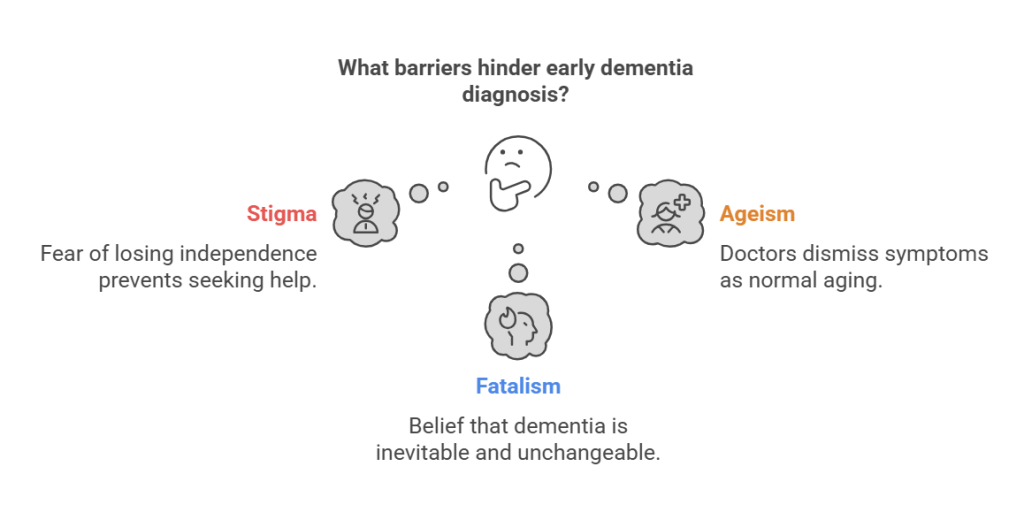
Barriers to early dementia diagnosis include:
- Stigma: Fear of losing independence prevents many individuals from seeking help.
- Ageism: Many primary care doctors dismiss early symptoms as “normal aging.”
- Fatalism: A common belief that dementia is inevitable and cannot be addressed.
Strategies for improvement:
- Educating both the public and healthcare providers about the importance of early screening.
- Utilizing new diagnostic tools such as blood-based biomarkers and amyloid PET scans.
The Role of Technology in Dementia Care
Dr. Wen Dombrowski, an expert in aging technology, discussed the increasing role of technology in dementia care.
Many caregivers feel overwhelmed by modern solutions, unsure where to begin.
Practical tips for caregivers exploring technology:
- Visit stores like Costco to physically interact with assistive devices before purchasing.
- Utilize local libraries and community centers that offer tech demonstrations.
- Engage with online forums and local support groups for recommendations.
Key technologies improving dementia care:
- Voice-activated devices: These assistive tools help individuals set reminders, control home environments, and communicate more easily.
- Portable security cameras: Small, wire-free cameras provide peace of mind to caregivers by monitoring movement and safety.
- Low-tech solutions: Non-digital tools, such as pill organizers and alarm clocks, remain essential.
Innovations in Care Navigation
One of the most promising developments in dementia care is the GUIDE Model (Guiding an Improved Dementia Experience) launched in 2023.
This model integrates medical care with community-based resources, ensuring that dementia patients can remain in their homes longer.
Key aspects of the GUIDE Model:
- Assigns a dedicated care navigator to help families coordinate health services and community support.
- Provides funding for caregiver respite, offering much-needed relief.
- Offers 24/7 support and caregiver training to enhance home care.
Future Directions in Dementia Research
Dr. Kremen shared insights into ongoing clinical trials aimed at understanding and mitigating cognitive decline.
There are currently over 164 clinical trials exploring 127 different drugs targeting Alzheimer’s disease.
Exciting research areas include:
- Testing early intervention strategies by administering drugs to symptom-free individuals with amyloid buildup.
- Investigating anti-inflammatory treatments, such as diabetes drugs and inhaled insulin, for their potential cognitive benefits.
- Exploring the role of lifestyle factors, including diet, exercise, and environmental influences, in dementia risk reduction.
Final Thoughts
Dementia is a complex and evolving challenge, but with continued advocacy and innovation, we can work towards a future where both patients and caregivers receive the support they deserve.
Public awareness, policy advancements, and medical breakthroughs will play a critical role in shaping the state of care in 2025 and beyond.
Watch full video below: